The Evolution of Medical Alert Systems: From Panic Buttons to AI-Powered Safety Hubs

The paradigm of senior safety technology is undergoing a fundamental transformation. With nearly 90 percent of adults aged 65 and older expressing a strong desire to age in place rather than transition into assisted living or skilled nursing facilities, the pressure on the eldercare technology sector has never been greater. Driven by this unprecedented demographic shift—a rapidly aging global population often referred to as the "silver tsunami"—the global medical alert systems and personal emergency response systems (PERS) market is projected to reach an estimated $11.8 billion. This financial and developmental boom reflects a massive pivot away from rudimentary, reactive emergency devices toward sophisticated, proactive health-monitoring ecosystems designed to preserve independence while offering robust safety nets for families and caregivers.
To understand the magnitude of this technological leap, industry analysts often look back at the origins of the industry. For decades, the gold standard of personal safety was tethered to a literal interpretation of the classic phrase, "I’ve fallen and I can’t get up." The legacy format consisted of a bulky, wearable pendant wired via radio frequency to a localized base station inside the home, which in turn relied on a traditional copper-wire landline to dial a monitoring center. While revolutionary for its time, this first-generation technology suffered from critical limitations. It was fundamentally restricted to a small radius—typically within 300 to 800 feet of the base unit—leaving users completely unprotected the moment they stepped into the garden, walked to the mailbox, or visited a neighbor. Furthermore, the system required the user to remain conscious, oriented, and physically capable of pressing the button following a traumatic fall. If a senior lost consciousness or suffered a cognitive episode, the legacy device remained completely silent.
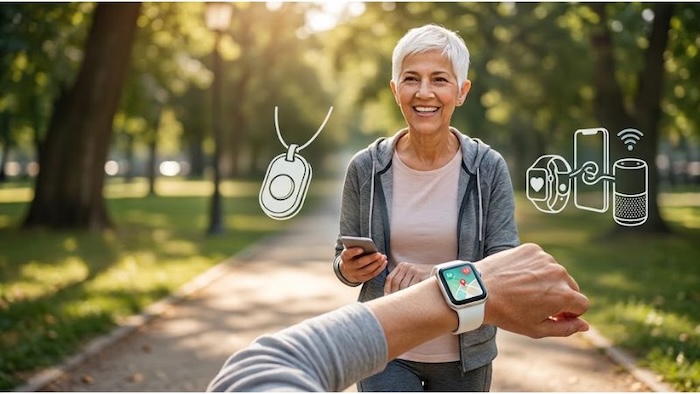
The technological renaissance currently sweeping the industry has effectively dismantled these old boundaries. Modern medical alert solutions leverage cellular networks, satellite positioning, and artificial intelligence to create comprehensive safety nets that protect seniors inside and outside the home. According to recent health technology evaluations, wearable AI devices are leading this charge, converting simple panic triggers into dynamic, real-time health observatories.

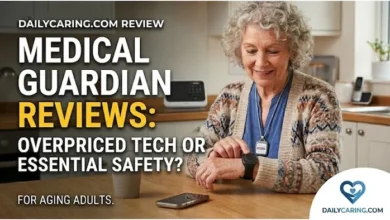
A comparative breakdown highlights the vast chasm between historical and contemporary options. Traditional landline systems, while budget-friendly for homebound seniors, offered strictly limited range, basic impact-triggered fall detection with notoriously high false-alarm rates, and zero integration with modern caregiver applications beyond a standard telephone call. In stark contrast, modern cellular smartwatches provide unlimited nationwide coverage via GPS, utilize AI-filtered accelerometers and gyroscopes to accurately distinguish between a sudden drop and everyday movements, and sync seamlessly with dedicated mobile applications. These apps allow family members to track real-time locations, monitor battery statuses, and review comprehensive activity logs. For seniors experiencing cognitive decline who habitually refuse to wear watches or pendants, the market has introduced ambient radar and wall-mounted AI sensors that map out routine movements and detect falls passively across entire households without requiring any wearable hardware.
Despite these remarkable advancements, industry experts and geriatric care managers emphasize that technology must be tailored strictly to the individual user’s capabilities. A sophisticated smartwatch featuring a complex touchscreen interface, for instance, is bound to fail for an aging adult suffering from severe macular degeneration or advanced dementia. Similarly, healthcare professionals consistently remind families that even the most advanced medical alert system can never fully substitute for direct human supervision, structured in-home care, or comprehensive environmental risk assessments. Organizations such as the National Institute on Aging continue to stress that technological safety nets must be paired with foundational fall-prevention strategies, such as removing tripping hazards, installing bathroom grab bars, and optimizing lighting.

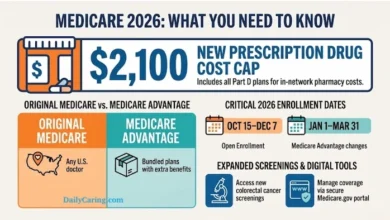
The financial and regulatory landscape surrounding these devices also warrants careful navigation by caregivers. Original Medicare, encompassing Part A and Part B, does not classify standard medical alert systems as durable medical equipment (DME), meaning they are generally excluded from direct federal reimbursement. However, the expansion of Medicare Advantage (Part C) plans and state-level Medicaid programs has begun to shift this dynamic. Many modern private Medicare Advantage insurers now offer varying degrees of coverage, subsidies, or direct monthly reimbursements for PERS devices as part of supplemental wellness benefits, depending heavily on regional regulations and individual policy terms.
As the market continues to expand through 2026 and beyond, the integration of ambient sensors, cellular smartwatches, and AI-driven monitoring represents a monumental victory for elder dignity. By replacing the social stigma of the bulky, industrial panic button with sleek, consumer-friendly designs that blend naturally into everyday life, manufacturers are helping bridge the difficult gap between autonomy and safety. While no microchip or algorithm can ever replace the warmth, intuition, and watchful eye of a dedicated human caregiver, these advanced systems successfully provide families with invaluable peace of mind, ensuring that professional help is always quietly and reliably standing by.