Navigating the Modern Landscape of Evidence-Based Dietary Guidance and Public Health

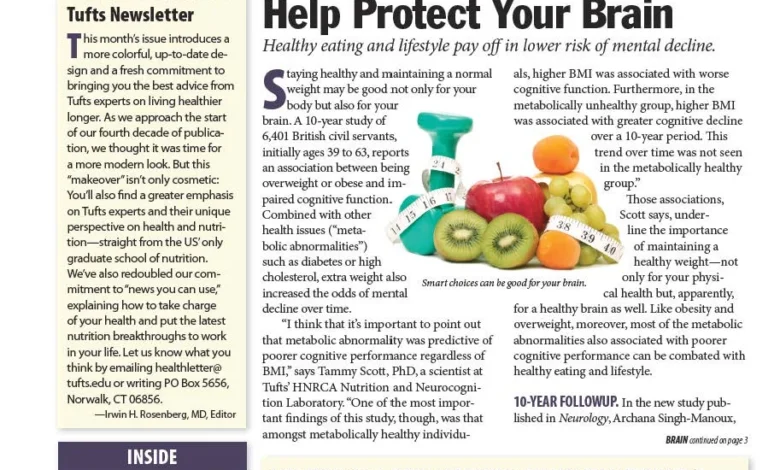
The landscape of human nutrition science has undergone a profound transformation over the past several decades, shifting from rudimentary dietary restrictions to sophisticated, personalized approaches aimed at chronic disease prevention and longevity. At the forefront of translating peer-reviewed research into actionable public advice are academic institutions and specialized health publications, most notably exemplified by the decades-long publishing history of the Tufts Health & Nutrition Letter. As consumers are inundated with conflicting dietary fads, social media nutrition myths, and commercialized wellness products, the demand for credible, evidence-based health journalism has never been more acute. This comprehensive examination explores the evolution of nutritional science communication, the economic and structural challenges facing independent health publishers, the rigorous methodologies required to vet dietary studies, and the broader implications for public health literacy in an era of digital misinformation.
The Evolution of Nutritional Science Communication
To understand the current state of nutrition journalism, one must examine how dietary advice has evolved from the mid-20th-century focus on nutrient deficiencies—such as scurvy, rickets, and pellagra—to the contemporary battle against non-communicable chronic illnesses, including type 2 diabetes, cardiovascular disease, and obesity. In the early decades of public health policy, the primary objective was ensuring adequate caloric intake and basic vitamin sufficiency across populations. Government entities, such as the United States Department of Agriculture, introduced foundational tools like the Basic Four food groups in 1956 to guide everyday American consumption.
As the epidemiological landscape shifted toward chronic conditions linked to long-term dietary patterns, the scientific community recognized the necessity of communicating complex, probabilistic data to the general public. Academic institutions stepped into this breach, establishing specialized publications designed to bridge the gap between dense, highly technical medical journals and the lay reader. Publications originating from premier research centers, such as Tufts University, positioned themselves as trusted arbiters of truth. By filtering out preliminary findings, industry-funded bias, and overhyped single-study conclusions, these newsletters provided readers with a stable compass for daily dietary choices.
However, the proliferation of the internet and social media platforms fundamentally disrupted this traditional model. Today, consumers are no longer waiting for monthly print publications or curated digital newsletters to receive health guidance. Instead, they are subjected to an incessant stream of self-proclaimed wellness gurus, algorithm-driven clickbait, and contradictory headlines proclaiming various foods to be either miraculously curative or lethally toxic. This democratization of information has paradoxically led to widespread public confusion, eroding trust in established scientific consensus and fostering an environment where emotional resonance frequently supersedes empirical rigor.
The Economics of Independent Health Journalism and Subscription Models
The financial sustainability of producing unbiased, editorially independent health journalism has faced severe headwinds in the digital age. Historically, specialized publications relied heavily on a dual-revenue model combining print subscriptions and institutional partnerships. As media consumption habits shifted overwhelmingly toward digital formats, publishers were forced to transition their archives and ongoing reporting online, giving rise to paywalls and membership-based access structures.
The economic imperative behind paywalls in health publishing is frequently misunderstood by the general public. Unlike commercial lifestyle magazines that rely on display advertising, sponsored content, and affiliate marketing revenue—which can inadvertently introduce conflicts of interest—subscription-supported academic newsletters prioritize editorial integrity. When a publication charges a fee for access to back issues, curated analyses, and specialized databases, it insulates its editorial board from the subtle pressures exerted by advertisers, food manufacturers, and supplement companies.
Data from the digital publishing sector indicate that reader-funded models foster higher levels of trust and long-term engagement among subscribers. For instance, introductory subscription models that offer discounted annual rates—such as those historically utilized by academic health letters—aim to lower the barrier to entry for health-conscious consumers while securing the necessary operational capital to maintain rigorous fact-checking and editorial independence. Nevertheless, the digital divide remains a significant public policy concern; as premium, evidence-based health guidance becomes increasingly sequestered behind subscription barriers, lower-income populations may be left to rely on free, unregulated, and frequently misleading internet sources.
Methodologies of Scientific Rigor: How Research is Vetted
A critical function of premier nutrition newsletters is the systematic appraisal and translation of emerging scientific literature. Not all scientific studies are created equal, and the uncritical reporting of preliminary research has been a persistent vulnerability in mainstream media coverage. To maintain credibility, an evidence-based publication must adhere to a strict hierarchy of scientific evidence when evaluating new claims.
At the apex of this hierarchy sits the systematic review and meta-analysis, which synthesize data from multiple randomized controlled trials (RCTs) to arrive at a comprehensive conclusion regarding a specific dietary intervention. Conversely, observational studies—while invaluable for generating hypotheses and identifying long-term correlations in large cohorts—cannot establish definitive cause-and-effect relationships due to the presence of confounding variables. A classic historical example of this pitfall is the initial enthusiasm for hormone replacement therapy based on observational nursing cohorts, which was subsequently upended by rigorous randomized controlled trials demonstrating unforeseen cardiovascular risks.
Furthermore, editors and science writers must evaluate several key methodological criteria when analyzing a newly published paper:
- Sample Size and Diversity: Does the study cohort adequately represent the broader population in terms of age, sex, ethnicity, and baseline health status?
- Funding Sources and Potential Conflicts of Interest: Was the research funded by a commercial entity with a vested financial interest in a specific outcome?
- Statistical Power and Significance: Were the observed effects clinically meaningful, or merely statistically significant due to a massive sample size?
- Confounding Factors: Did the researchers adequately control for socioeconomic status, lifestyle habits, physical activity, and baseline dietary patterns?
By transparently applying these evaluative standards, trusted publications protect their readership from the whiplash of "good food, bad food" reporting that characterizes much of contemporary media.
The Role of Digital Access and Consumer Empowerment
In the contemporary information ecosystem, the transition from static print media to dynamic digital platforms is not merely a logistical convenience; it is a vital public health imperative. Modern consumers demand instant access to searchable archives, interactive tools, and timely updates regarding public health advisories, such as food safety recalls, updated dietary guidelines, and emerging consensus statements on controversial topics like artificial sweeteners, ultra-processed foods, and intermittent fasting.
Web account activation and streamlined digital sign-in processes are essential components of this user experience. When academic publishers provide seamless access to decades of archived research alongside contemporary reporting, they empower individuals to conduct their own fact-checking and historical research. A consumer seeking guidance on managing cholesterol levels, for instance, should ideally be able to cross-reference current recommendations with longitudinal studies published over the preceding ten years to observe how scientific understanding has matured over time.
Moreover, the interactive elements of digital publishing—such as moderated comment sections, reader Q&A columns, and direct engagement with nutrition scientists—foster a sense of community and active learning. Rather than serving as passive recipients of top-down dietary decrees, readers are encouraged to critically engage with the material, ask informed questions, and apply evidence-based principles to their unique physiological and lifestyle contexts.
Broader Public Health Implications and Future Outlook
The systemic challenges facing nutrition journalism ultimately mirror the broader crises confronting public health communication in the 21st century. Chronic diseases related to poor dietary patterns continue to account for a staggering proportion of morbidity, mortality, and healthcare expenditures globally. According to data from health agencies worldwide, non-communicable diseases driven by suboptimal nutrition—such as cardiovascular conditions, certain cancers, and metabolic syndrome—represent the leading preventable causes of death.
In this context, the availability of clear, unbiased, and scientifically rigorous health communication is a matter of paramount societal importance. When credible information is obscured behind prohibitive paywalls or drowned out by well-funded commercial disinformation campaigns, public health outcomes suffer. Conversely, when academic institutions successfully translate complex nutritional science into accessible, actionable guidance, populations are better equipped to make informed choices that reduce their lifetime risk of chronic illness.
Looking forward, the future of health journalism will likely depend on innovative models that balance financial viability with broad public accessibility. Collaborative partnerships between research universities, public health agencies, and independent media outlets may offer a viable pathway to expand educational outreach without compromising editorial independence. Furthermore, as artificial intelligence and advanced data analytics begin to transform both scientific research and content delivery, the human element—expert curation, ethical responsibility, and rigorous critical analysis—will remain irreplaceable.
Ultimately, navigating the modern dietary landscape requires a partnership between dedicated scientific investigators, meticulous health journalists, and an engaged, critically thinking public. By upholding the highest standards of evidence-based reporting and ensuring that reliable guidance remains within reach of those who seek it, the field of nutritional communication will continue to serve as an indispensable pillar of modern public health.