Comprehensive Medical Guardian Review 2026: Evaluating Costs, Features, and Value for Seniors and Caregivers

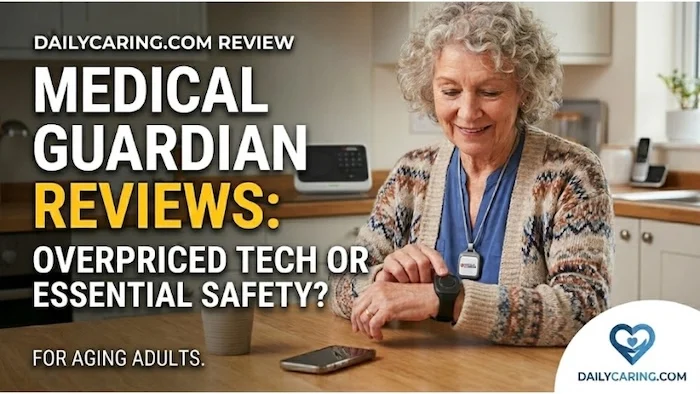
The medical alert systems market has evolved significantly over the past decade, shifting away from generic, bulky panic buttons toward sophisticated personal emergency response systems (PERS) equipped with GPS tracking, cellular connectivity, and specialized lifestyle designs. Among the market leaders in 2026 is Medical Guardian, a prominent provider currently trusted by approximately 625,000 active users across the United States. While the company heavily targets older adults and family caregivers through extensive marketing campaigns, prospective buyers must evaluate whether the service’s premium pricing aligns with their specific safety requirements and financial parameters.
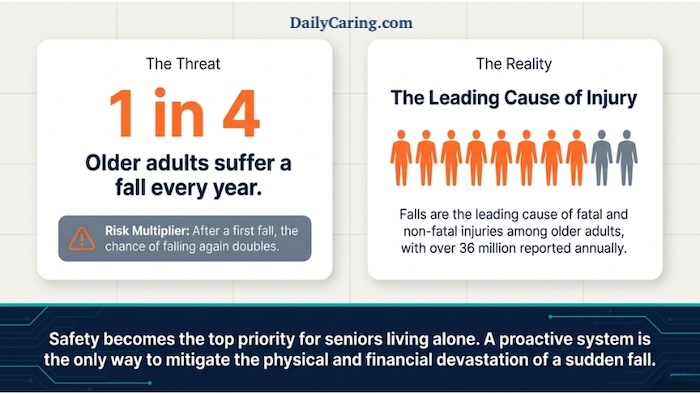
With the Centers for Disease Control and Prevention (CDC) reporting that over 36 million falls occur among older adults annually—making slips and trips a leading cause of both fatal and non-fatal injuries—selecting a reliable emergency monitoring solution is a critical decision for families. This comprehensive market analysis examines Medical Guardian’s product lineup, pricing models, monthly costs, technological capabilities, and overall industry standing to help consumers determine if the investment is justified.
Understanding the Evolution and Market Position of Medical Guardian
Personal emergency response systems originated as basic, in-home base stations connected to landlines, typically featuring a waterproof pendant designed to summon local emergency services at the push of a button. However, technological advancements in cellular networks, wearable microchips, and satellite positioning have transformed these devices into mobile safety hubs.
Medical Guardian has positioned itself at the upper tier of this modern market. Rather than competing solely on discount pricing, the company differentiates its brand through hardware aesthetics, proprietary caregiver mobile applications, and flexible cancellation terms. Industry analysts note that while basic, no-frills emergency buttons can be procured from competing services at marginally lower price points, few rivals match Medical Guardian’s ecosystem of companion mobile apps designed for long-distance family caregivers.
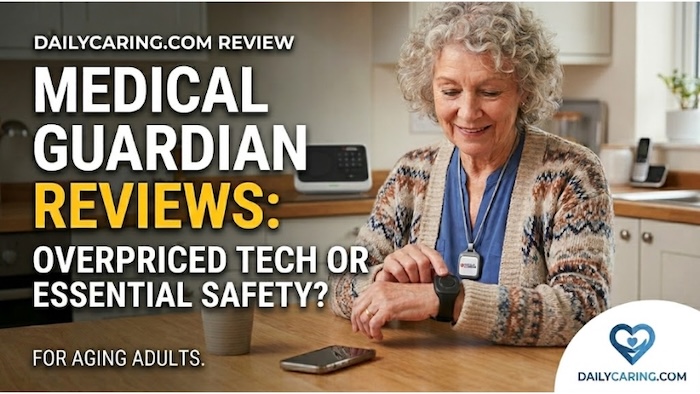
For adult children managing the care of aging parents from another city or state, real-time location tracking and digital activity monitoring provide a vital layer of reassurance. Consequently, the company’s business model targets consumers who view safety not merely as a utilitarian utility, but as a comprehensive caregiving coordination tool.
Detailed Breakdown of Medical Guardian Products and Monthly Costs
Medical Guardian utilizes a tiered pricing structure that separates monthly subscription fees from mandatory upfront equipment costs. Unlike utility companies or telecom providers that bundle hardware expenses into long-term financing agreements, Medical Guardian typically requires customers to purchase the physical units upfront while retaining standard month-to-month service agreements.
The current product lineup is categorized by lifestyle utility, connectivity infrastructure, and physical form factor:
-
MGHome Cellular
- Connection Type: Cellular (AT&T or Verizon networks)
- Base Monthly Cost: $38.95
- Upfront Equipment Fee: $149.95
- Target User: Homebound older adults whose daily routines are largely confined to the primary residence and immediate surroundings, such as a backyard or garden. Because it relies on an in-home base station, users do not need to worry about charging a mobile pendant every few days.
-
MGMini

- Connection Type: Cellular, Wi-Fi, and GPS
- Base Monthly Cost: $43.95
- Upfront Equipment Fee: $149.95
- Target User: Active seniors who drive, travel, run errands, or participate in outdoor community activities. This mobile pendant leverages multi-network cellular coverage and GPS tracking to transmit precise location coordinates to emergency dispatchers anywhere within the United States.
-
MGMini Lite
- Connection Type: Cellular, Wi-Fi, and GPS
- Base Monthly Cost: $46.95
- Upfront Equipment Fee: $149.95
- Target User: Petite individuals or those sensitive to the physical weight of traditional neck lanyards. The MGMini Lite is a wrist-worn wearable that eliminates neck strain while maintaining full cellular and GPS emergency monitoring capabilities.
-
MGMove Smartwatch
- Connection Type: Cellular, Wi-Fi, and GPS
- Base Monthly Cost: $42.95
- Upfront Equipment Fee: $199.95
- Target User: Style-conscious seniors who experience social stigma regarding traditional medical alert devices. By masking emergency response technology inside the sleek design of a modern digital watch, the MGMove encourages higher daily wear compliance among users who might otherwise refuse to wear a standard help button.
Evaluating the Role of Advanced Fall Detection Technology
One of the most heavily debated features in the personal emergency response industry is automatic fall detection. According to public health data, one out of every four older adults suffers a fall each year, and many victims are rendered unconscious or physically unable to press a manual call button during an emergency.
Fall detection technology utilizes internal accelerometers and gyroscopes embedded within the wearable device to identify sudden changes in elevation and impact velocity. When a potential fall is registered, the system initiates an automated alert sequence to the monitoring center, connecting operators to the user even if they cannot speak or reach the button.
Medical Guardian offers fall detection as an optional add-on service across its mobile and home units for an additional charge of $10 per month. While this increases the cumulative annual cost of ownership, healthcare advocates generally recommend fall detection for individuals with a documented history of balance disorders, vertigo, neurological conditions, or previous fall incidents.

Financial Implications and Comparative Market Value
When shopping for a medical alert system, consumers must weigh monthly subscription costs against potential hidden fees, activation charges, and long-term contract lock-ins. Medical Guardian maintains a competitive advantage by avoiding mandatory multi-year service contracts, allowing users to cancel their subscriptions without incurring severe financial penalties.
However, critics point out that the initial hardware investment—ranging from $149.95 to $199.95—represents a higher barrier to entry than competitor brands that lease equipment at no upfront cost. For households operating on a strict fixed income, these initial fees require careful budgeting.
Furthermore, industry experts emphasize that consumers should audit their actual usage habits before purchasing high-end packages. For instance, if a family caregiver does not plan to utilize Medical Guardian’s proprietary mobile app for daily location tracking and status checks, paying a premium for advanced GPS-enabled pendants may result in wasted expenditures on redundant software features.
Consumer Guidance and Practical Purchasing Tips
Selecting the appropriate personal emergency response system requires an objective assessment of the user’s physical mobility, cognitive health, and residential environment. Families should consider the following criteria prior to finalizing a service agreement:
- Assess Daily Mobility: Determine whether the senior spends the majority of their time indoors or maintains an active, mobile lifestyle outside the home. Homebound individuals can often suffice with standard cellular base stations, whereas active seniors require GPS-enabled mobile pendants or smartwatches.
- Review Contractual Terms: Verify whether the provider requires long-term commitments or imposes cancellation fees. Month-to-month flexibility is crucial in the event of sudden health status changes, such as a transition to an assisted living facility.
- Examine Warranty and Equipment Policies: Understand the replacement terms if hardware is damaged, lost, or suffers battery degradation over time.
- Test Cellular Coverage: Because modern mobile medical alert systems rely heavily on commercial cellular networks (such as AT&T and Verizon), confirm that the chosen provider maintains strong signal reception in the user’s primary geographic area.
Conclusion and Industry Outlook
Medical Guardian occupies a distinct segment of the 2026 personal emergency response market, catering primarily to families and long-distance caregivers seeking premium hardware, robust mobile application integration, and flexible contract terms. While the service involves a higher financial outlay compared to budget-oriented alternatives, the combination of dependable response times, modern industrial design, and specialized lifestyle models provides measurable peace of mind.
As the demographic profile of older adults continues to shift toward active, independent aging, the demand for sophisticated, stigma-free safety technology is expected to expand. Consumers are advised to conduct thorough research, evaluate their specific budgetary constraints, and consult directly with device manufacturers regarding current promotional offers and warranty terms before making a final purchasing decision.