Federal Funding Initiative Launches to Expand Dental Care Access for Children with Developmental Disabilities

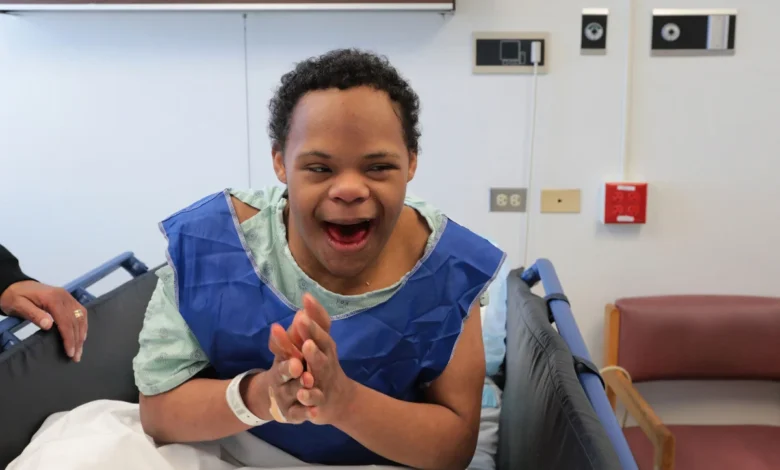
The landscape of pediatric dental care in the United States is facing a critical turning point as federal agencies deploy unprecedented resources to address long-standing disparities. A newly launched $51 million federal initiative aims to dramatically increase access to specialized dental services for children with developmental disabilities in communities across the country. Spearheaded by the U.S. Department of Health and Human Services (HHS) and administered through its Health Resources and Services Administration (HRSA), the program targets an underserved population that has historically struggled to find adequate, compassionate, and specialized oral health care.
The Scope of the Crisis: A Persistent Barrier to Health
For decades, families raising children with autism spectrum disorder, Down syndrome, cerebral palsy, and other intellectual and developmental disabilities have confronted a frustrating reality: finding a dentist equipped to handle their children’s specific needs is exceptionally difficult. Traditional dental practices are frequently ill-equipped to manage sensory sensitivities, physical mobility differences, and complex communication barriers. Consequently, routine cleanings and preventive care are often neglected, leading to severe downstream health complications.
Federal health officials have repeatedly emphasized that children with developmental disabilities face a significantly elevated risk of developing severe oral health issues, including advanced tooth decay, chronic gum disease, and acute dental infections. When left untreated, these conditions can escalate into painful medical emergencies requiring invasive interventions, extensive surgical procedures, and general anesthesia in hospital settings.
Case studies from across the nation have historically underscored this systemic failure. For instance, families have often shared harrowing accounts of waiting months—or even years—to secure appointments, sometimes traveling hundreds of miles or resorting to emergency room visits when local dental clinics turned them away due to a lack of specialized training or physical infrastructure.
The Federal Response and Allocation of Resources
To combat these deeply rooted systemic failures, the HHS announced that HRSA is distributing a total of $51 million in funding directly to 28 health centers nationwide. Each participating health center is eligible to receive up to $2 million to overhaul, expand, and tailor their dental practices to better accommodate pediatric patients with specialized needs.
Rather than applying a uniform approach, the initiative requires participating centers to implement evidence-based models while actively testing innovative, localized care delivery strategies. The injected capital will be strategically deployed across three core areas:
- Expanding Preventive Care Services: Enhancing clinic capacity to deliver routine, low-stress preventive services that can catch and mitigate oral health issues before they require surgical intervention.
- Workforce Development and Training: Providing specialized education and hands-on training for dentists, dental hygienists, and support staff to effectively manage behavioral, sensory, and physical accommodations.
- Innovative Care Models: Developing new frameworks for patient intake, sensory-friendly clinic environments, and streamlined coordination with primary care physicians.
Tom Engels, administrator of the Health Resources and Services Administration, emphasized the fundamental human right to accessible healthcare during the funding announcement.
"A parent shouldn’t have to struggle to find a dental provider who is prepared to care for their child," Engels stated. "This investment will help health centers build the skills, services, and approaches needed to make dental care more accessible and responsive to children and families — and help us learn what works so successful models can reach more communities."
Why Community Health Centers Are Uniquely Positioned
The choice to channel these funds through HRSA-supported community health centers is deliberate. Unlike private dental practices, which often operate under strict time constraints and may not accept public insurance programs like Medicaid, community health centers operate with a mandate to serve vulnerable and low-income populations regardless of their ability to pay.
Furthermore, these health centers already function as medical hubs, providing comprehensive primary care alongside integrated social services. This existing infrastructure allows them to connect families seamlessly with essential wraparound resources, such as specialized transportation services, financial counseling, and educational programming. By integrating dental care directly into these trusted community networks, HHS aims to create a holistic healthcare experience that reduces administrative burdens on parents and caregivers.
Collaborative Learning and Long-Term Implications
The $51 million initiative is structured not merely as a temporary grant program, but as a long-term research and scaling operation. In addition to receiving direct financial support, the 28 participating health centers are required to participate in structured collaborative learning and evaluation activities.
Federal health officials intend to use the data and insights gathered from these centers to identify which clinical approaches, operational workflows, and community engagement models yield the most successful outcomes. By rigorously evaluating these programs, HHS hopes to establish a national blueprint that can be replicated by other healthcare providers, hospitals, and private practices long after the initial grant cycle concludes.
Advocates for the disability community have cautiously welcomed the announcement, noting that while $51 million represents a substantial and much-needed down payment, addressing the national shortage of specialized pediatric dental providers will require sustained, multi-year investments and broader systemic reforms, such as enhanced Medicaid reimbursement rates for specialized care.
Nevertheless, the launch of this initiative marks a vital step forward in acknowledging and addressing a long-neglected public health crisis. By equipping community health centers with the financial and operational tools necessary to care for children with developmental disabilities, the federal government is laying the groundwork for a more inclusive, accessible, and compassionate healthcare system.
Related posts: