Beyond the Panic Button: How Modern Medical Alert Systems Are Reshaping Senior Independence and Caregiving


The landscape of senior care and independent living is undergoing a profound technological transformation, driven by an aging global demographic and rapid advancements in personal safety devices. According to comprehensive data from AARP, nearly 90 percent of adults aged 65 and older express a firm preference to age in place within their own homes rather than transition to assisted living or skilled nursing facilities. This overwhelming desire for autonomy has fueled massive expansion in the senior technology sector. Market analysts project that the global medical alert systems—also known as Personal Emergency Response Systems (PERS)—market will reach $11.8 billion, a milestone accelerated by consumer and healthcare demands for sophisticated, unobtrusive safety monitoring.
This rapid expansion stands in stark contrast to the technology of previous decades. For generations, the standard emergency tool for older adults was the classic, single-function pendant—famous for the ubiquitous "I’ve fallen and I can’t get up" advertising campaigns. While revolutionary for its time, that legacy format was plagued by severe operational limitations. It typically consisted of a wearable waterproof button tethered via radio frequency to a localized base unit, which in turn relied on a traditional analog landline to dial a monitoring center. These systems functioned only if the user remembered to wear the device, stayed within a narrow radius of several hundred feet from the base station, and remained conscious and physically capable of pressing the button during a crisis.
The limitations of the landline era left vulnerable gaps in eldercare. If an individual suffered a medical emergency in the backyard, away from the base unit, or lost consciousness instantly upon impact, the traditional device was rendered entirely useless. Furthermore, high rates of accidental triggers often frustrated users and family members alike, leading many seniors to abandon the equipment altogether.
The Paradigm Shift: From Reactive Alarms to Proactive Health Hubs
Recognizing these technological bottlenecks, manufacturers and healthcare innovators have overhauled the architecture of emergency response tools. Modern devices leverage wearable artificial intelligence, cellular connectivity, and ambient sensor arrays to transition from basic, reactive panic buttons into comprehensive health and safety hubs.
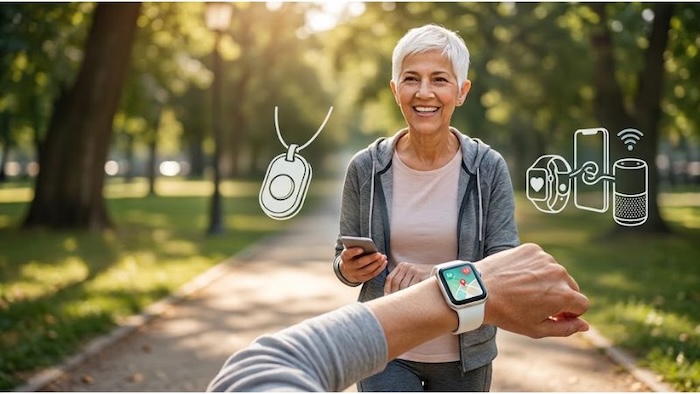
At the forefront of this evolution is the integration of cellular networks and global positioning systems (GPS). Unlike their landline-dependent predecessors, modern medical alert systems—ranging from sleek smartwatches to discreet pendants—offer nationwide mobile coverage. This ensures that whether an older adult is gardening in the backyard, traveling across the country, or walking through a local park, they maintain a direct, instantaneous link to emergency dispatchers and caregivers.
Concurrently, fall detection technology has evolved significantly. Modern devices utilize advanced accelerometers and gyroscopes powered by AI-driven algorithms. Rather than simply measuring raw impact—which frequently triggered false alarms when a user dropped the device onto a hard floor—contemporary systems analyze complex patterns of motion, speed, and orientation changes. When a high-velocity downward trajectory is followed by a period of non-movement, the device automatically initiates an emergency protocol, bridging the gap for individuals who are incapacitated and unable to press a manual button.
Comparative Analysis of Safety Technologies
To understand the trajectory of the industry, healthcare professionals and families frequently evaluate safety options across three distinct technological tiers:
The Legacy Landline Standard: Representing the historical baseline, these systems are budget-friendly and well-suited for strictly homebound adults. However, their range is severely restricted to approximately 800 feet from a base station, they lack mobile GPS capabilities, and they offer zero integration with modern caregiver smartphone applications.
Modern Cellular Smartwatches: Designed for active seniors who value discretion, these devices provide unlimited nationwide coverage, robust GPS tracking, and sophisticated AI-filtered fall detection. They bridge the gap between consumer fitness trackers and medical-grade alerts, offering real-time battery status, step counting, and comprehensive call logs via dedicated companion apps for family members.

Ambient Radar and AI Wall Sensors: Representing the cutting edge of passive monitoring, these systems utilize wall-mounted radar and optical or radio-frequency AI to track movement throughout an entire home without requiring the user to wear any physical device. They are uniquely effective for individuals with cognitive decline, such as Alzheimer’s or severe dementia, who frequently refuse or forget to wear traditional pendants or watches. These systems detect falls and monitor routine deviations, alerting caregivers to unusual behavioral patterns without impinging on daily privacy.
Policy, Coverage, and Financial Implications
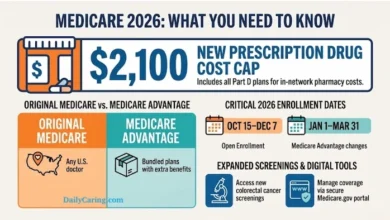
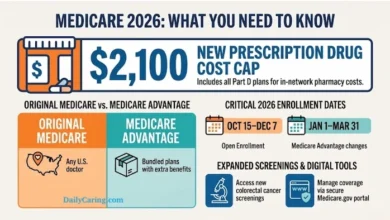
As these technologies become more deeply integrated into the continuum of care, questions surrounding accessibility and financial reimbursement remain prominent. Under current federal guidelines, Original Medicare (Parts A and B) does not classify standard medical alert systems as durable medical equipment (DME), meaning they are generally excluded from direct federal reimbursement.
However, the broader insurance landscape is shifting. Many Medicare Advantage (Part C) plans, as well as specific state-administered Medicaid programs, have begun recognizing the preventative value of PERS technology. Consequently, a growing number of managed care providers offer partial coverage, monthly subsidies, or direct equipment discounts as supplemental benefits, aiming to reduce costly emergency room visits and long-term institutionalizations resulting from unmanaged falls.
Expert Guidance for Caregivers and Families
Healthcare providers and senior advocacy organizations emphasize that selecting the appropriate technology requires a careful, individualized assessment of a senior’s physical and cognitive capabilities. For instance, an advanced smartwatch featuring a complex touchscreen interface may prove overwhelming or entirely unusable for an individual navigating advanced macular degeneration or severe cognitive impairment. Conversely, passive ambient sensors may provide optimal safety for a resistant senior who categorically refuses to wear jewelry or wristbands.

Experts consistently caution that no technological device can serve as a complete substitute for direct human supervision or structured in-home caregiving. Instead, modern medical alert systems are best understood as risk-mitigation instruments engineered to buy critical minutes during an emergency. Before relying exclusively on wearable technology, families are encouraged to consult foundational safety frameworks, such as the fall prevention guidelines published by the National Institute on Aging, and to coordinate with primary care physicians or occupational therapists to evaluate home hazards.
Broader Industry Impact and Future Outlook
The maturation of the medical alert market reflects a broader cultural and economic shift toward aging-in-place solutions. By replacing the social stigma associated with bulky, clinical panic buttons with sleek, consumer-friendly designs, manufacturers have successfully destigmatized safety monitoring for the baby boomer generation.
Ultimately, the proliferation of AI-driven health hubs and ambient sensors offers a delicate balance between independence and security. While human caregiving remains irreplaceable in providing warmth, emotional connection, and nuanced personal support, modern safety infrastructure ensures that reliable, immediate assistance is quietly available whenever unexpected challenges arise.