Federal Funding Initiative Aims to Transform Dental Care Access for Children with Developmental Disabilities

A sweeping new federal initiative backed by $51 million in grants is launching across the United States to tackle a persistent and critical healthcare disparity: the profound difficulty children with developmental disabilities face in receiving adequate dental care. Announced by the U.S. Department of Health and Human Services (HHS), the funding is being distributed through the Health Resources and Services Administration (HRSA) to 28 distinct community health centers nationwide. These institutions are tasked with designing, testing, and scaling specialized models of oral healthcare tailored to the unique physical, sensory, and communication needs of individuals with conditions such as autism spectrum disorder, Down syndrome, cerebral palsy, and other intellectual and developmental disabilities (IDDs).
The rollout of these grants addresses a longstanding crisis in pediatric healthcare. For decades, families of children with developmental disabilities have reported hitting brick walls when trying to secure routine dental checkups or specialized treatments. Traditional dental practices are frequently ill-equipped to handle the sensory overload of a standard dental office—such as bright overhead lights, loud drilling sounds, and unfamiliar textures—or to accommodate patients with communication differences and physical mobility challenges. Consequently, many children go years without seeing a dentist, leading to severe, preventable oral health complications.
The Scale of the Problem and the Vulnerability of the Population
Public health data underscores the urgency of this intervention. Children and adolescents with developmental disabilities are at a significantly heightened risk of developing severe oral health issues, including advanced tooth decay, chronic gum disease, and periodontal infections. These risks are compounded by a variety of factors, ranging from difficulties with independent daily hygiene and medication-induced dry mouth to dietary constraints and sensory aversions to brushing.
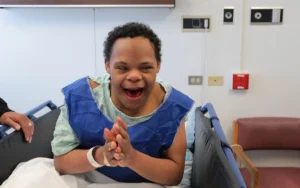
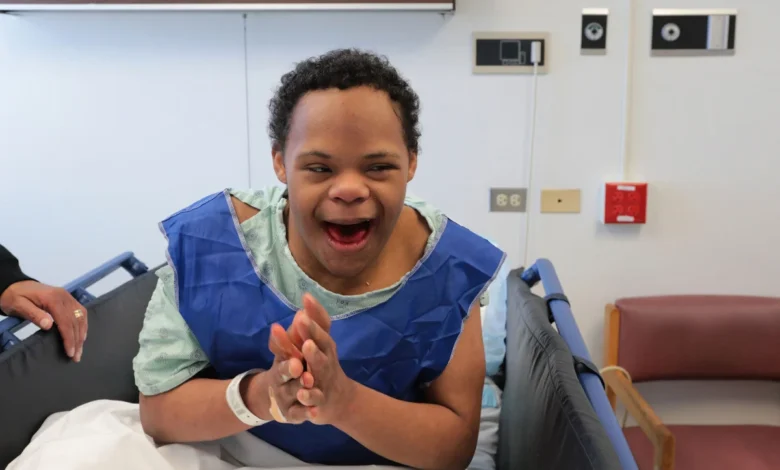
When routine preventative care is inaccessible, minor dental issues routinely escalate into painful medical emergencies requiring extensive interventions. A prominent example of this systemic failure was highlighted in Chicago, where a teenager named Andy Mitchell underwent major oral surgery to receive 23 dental fillings and the extraction of eight teeth due to untreated tooth decay. His parents had spent years desperately searching for local dentists who were both willing and clinically capable of managing his complex intellectual and physical disabilities. Stories like Mitchell’s are not isolated incidents; they represent a nationwide systemic gap where families are forced to travel vast distances, endure multi-year waitlists, or rely on costly hospital-based operating rooms for basic dental procedures.
How the $51 Million Initiative Operates
To dismantle these barriers, the newly announced HRSA initiative takes a multifaceted approach, providing participating health centers with up to $2 million each. Rather than relying on a one-size-fits-all mandate, the program empowers selected health centers to test innovative, evidence-based care models tailored to their local populations.
Federal guidelines dictate that the funds must be directed toward several core pillars:
- Expanding preventative clinical services and specialized patient management techniques, such as desensitization appointments and sensory-adapted dental environments.
- Boosting the specialized healthcare workforce by training dental professionals, hygienists, and support staff in managing patients with IDDs.
- Leveraging the existing infrastructure of community health centers, which already excel at providing comprehensive primary care and connecting low-income families with essential wrap-around services like transportation, translation, and health education.
Furthermore, because these federally qualified health centers operate on sliding-fee scales and provide services regardless of a patient’s insurance status or ability to pay, the initiative inherently targets low-income and marginalized communities where the lack of specialty care is often most acute.
Official Responses and Collaborative Framework
Federal health leaders emphasize that access to basic healthcare—including oral health—is a fundamental right that should not depend on a patient’s neurodiversity or physical abilities.
“A parent shouldn’t have to struggle to find a dental provider who is prepared to care for their child,” said Tom Engels, administrator of the Health Resources and Services Administration, during the announcement. “This investment will help health centers build the skills, services, and approaches needed to make dental care more accessible and responsive to children and families — and help us learn what works so successful models can reach more communities.”
Beyond the immediate financial injection, the initiative incorporates a rigorous framework for national learning and dissemination. Participating health centers are required to engage in structured collaborative learning and evaluation activities. By sharing data on which clinical workflows, operational modifications, and community outreach strategies yield the best patient outcomes, HRSA aims to build a national blueprint. Successful models developed during this grant cycle are intended to be replicated by dental practices and health clinics across the country, creating a ripple effect that extends far beyond the initial 28 grantee sites.
Broader Implications for Pediatric Healthcare
The injection of $51 million into IDD-focused dental care arrives at a time of growing recognition that holistic health cannot exist without oral health. Poor dental health is directly linked to systemic conditions, including cardiovascular complications and chronic systemic inflammation, and it profoundly impacts a child’s nutritional intake, speech development, self-esteem, and academic performance.
Advocates and healthcare policy analysts view the HRSA initiative as a vital step forward, though many note that systemic transformation will require sustained, long-term investments. Integrating disability competency into standard dental school curricula, increasing Medicaid reimbursement rates for specialized pediatric dental procedures, and expanding the footprint of sensory-friendly clinics are viewed as essential next steps for the broader medical community.
For families navigating the complex world of developmental disabilities, the new federal funding offers a measure of hope. By shifting the burden of accommodation away from parents and placing it onto the healthcare infrastructure, the initiative moves the nation closer to a healthcare system where every child, regardless of ability, can receive compassionate, timely, and effective dental care.
Related posts: