How AI Assistants Are Transforming Family Caregiving and Relieving the Invisible Mental Load

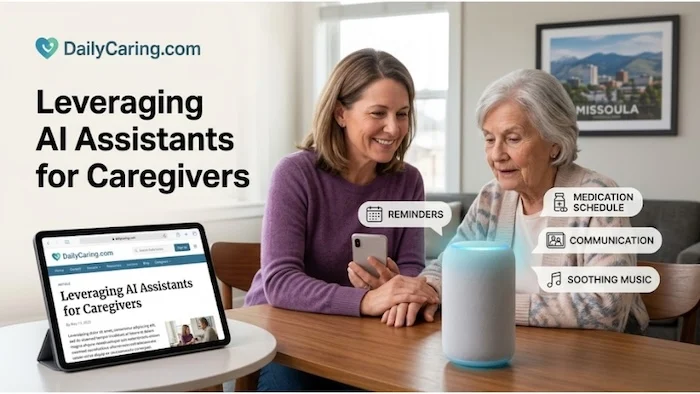
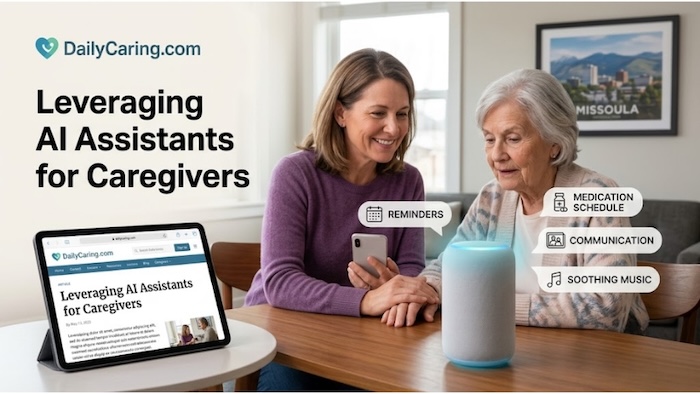
The modern landscape of family caregiving has evolved into an unrecognized public health crisis, defined not only by physical exhaustion but by an invisible, relentless cognitive strain known as the mental load. As millions of adults across the United States juggle complex medical schedules, household management, professional careers, and the intricate demands of eldercare, healthcare analysts and technologists are increasingly looking toward artificial intelligence to bridge the gap. Recent integration of machine learning and ambient intelligence into the caregiving ecosystem marks a significant shift from manual oversight to tech-enabled support, offering a vital lifeline to an overburdened demographic.
To understand the current reliance on artificial intelligence in caregiving, one must examine the socio-demographic shifts of the past decade. According to data compiled by the AARP and the National Alliance for Caregiving, over 53 million Americans serve as unpaid family caregivers, providing billions of hours of care annually to aging parents, spouses, and disabled relatives. Throughout the 2010s and early 2020s, the primary technological solutions available were limited to basic calendar alerts, primitive pillboxes with alarms, and reactive emergency pendant systems. However, the acceleration of generative AI and ambient computing between 2023 and 2026 transformed these tools into sophisticated, proactive digital co-pilots capable of anticipating needs, monitoring anomalous behavioral patterns, and streamlining administrative burdens.
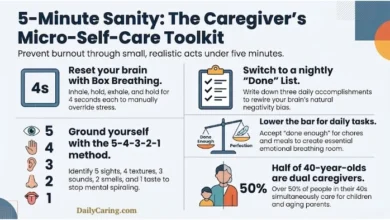
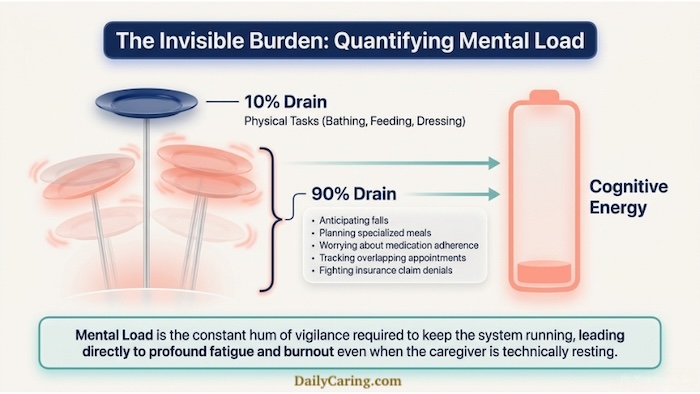
The core challenge facing family caregivers is rarely a single demanding task; rather, it is the compounding weight of continuous cognitive tracking. Psychologists define this "mental load" as the constant remembering, planning, anticipating, and worrying required to keep another human being safe and healthy, even when the caregiver is resting. Unlike physical tasks—such as lifting a patient or preparing a meal—the mental load never clocks out. Over time, this chronic cognitive friction degrades immune function, elevates cortisol levels, and accelerates caregiver burnout, a state characterized by clinical anxiety, sleep deprivation, and emotional detachment.

Recognizing the severity of this systemic issue, federal agencies and health tech innovators have accelerated investments in supportive infrastructure. In recent statements, the U.S. Department of Health and Human Services (HHS) emphasized the critical need for AI innovation to support America’s caregivers, noting that technology must be harnessed to ease systemic strains on the healthcare grid. Industry stakeholders, software developers, and eldercare advocates have responded by designing targeted digital solutions meant to automate administrative redundancy without eroding the essential human empathy required in caregiving.
Practical implementation of these technologies has materialized through a diverse array of specialized software and hardware platforms. For instance, non-invasive safety monitoring tools like Sensi.ai utilize ambient audio pods rather than intrusive video cameras. By listening for acoustic anomalies—such as an uncharacteristic thud, prolonged coughing fits, or erratic nighttime pacing—the system alerts caregivers instantly while preserving the senior’s dignity and privacy. Similarly, proactive robotic companions like ElliQ actively engage older adults by initiating conversations, guiding them through light physical exercises, playing cognitive games, and facilitating effortless video communication with distant family members, while simultaneously feeding daily wellness summaries back to the primary caregiver.

Coordination of care teams has historically fallen entirely on one individual’s shoulders, leading to friction and isolation. Platforms like ianacare utilize smart allocation algorithms to mobilize informal networks of friends, neighbors, and extended family. By centralizing requests for specific, manageable tasks—such as picking up prescriptions or covering a Saturday afternoon shift—the application dismantles the isolating phrase of "let me know how I can help" into actionable, trackable assignments. Furthermore, general-purpose large language models, including OpenAI’s ChatGPT and Google’s Gemini, are increasingly utilized by caregivers to draft complex insurance appeals, organize chaotic medical discharge paperwork, and meal-plan around strict dietary restrictions, provided users rigorously anonymize sensitive health data.
Industry analysts project that the intersection of artificial intelligence and home-based care will expand exponentially over the next decade. As the population ages and the ratio of professional healthcare workers to aging citizens narrows, the symbiotic relationship between human caregivers and machine intelligence will transition from a luxury to a structural necessity. Automation and ambient monitoring will not replace the fundamental emotional bond of family care, but they will successfully shoulder the administrative and cognitive machinery that currently threatens to break it.
Ultimately, embracing artificial intelligence in caregiving represents a pragmatic acknowledgment of human limits rather than a retreat from responsibility. By strategically delegating repetitive scheduling, monitoring, and planning to digital assistants, family caregivers can reclaim the mental space necessary to sustain their own health and preserve the quality of their relationships. As these technologies mature, their integration into everyday care routines offers a sustainable path forward for millions navigating the marathon of family caregiving.