The Robotic Revolution in Caregiving: Navigating a Future of Hybrid Human-Machine Support

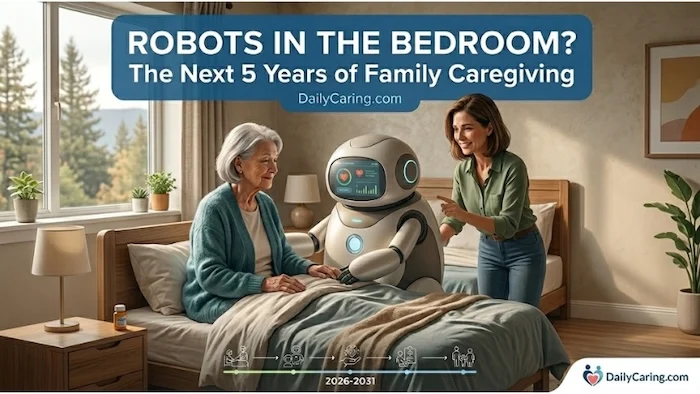
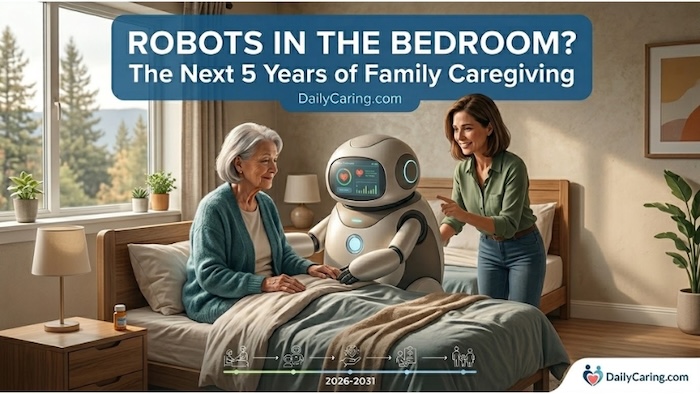
We are currently witnessing a quiet but profound migration, not a movement of people, but a shifting of intelligence. Sophisticated robotics are transitioning from sterile factory floors to the intimate corners of the family home, heralding a new era for elder care. As America, and indeed the world, grapples with an escalating caregiving crisis, the next five years will be fundamentally defined by the integration of a new teammate in the caregiving journey: the robot. This shift into the burgeoning field of gerontechnology is not aimed at replacing the irreplaceable family bond, but rather at establishing a "Hybrid Care" model – a symbiotic relationship where advanced machines and intelligent AI agents manage the often-exhausting logistics of aging, thereby liberating human caregivers to reclaim their essential role as the emotional heart of the family unit. This transformation promises to redefine independence for older adults and alleviate significant burdens on their loved ones, though it also introduces a complex web of ethical considerations that society must navigate with foresight and deliberation.
The Intensifying Caregiving Crisis: A Looming Demographic Challenge
The urgency driving this technological pivot cannot be overstated. The "caregiving crisis" is a multifaceted challenge rooted in rapidly shifting global demographics. According to the U.S. Census Bureau, by 2030, all baby boomers will be older than age 65, dramatically increasing the proportion of older adults in the population. Simultaneously, birth rates in many developed nations are declining, leading to a shrinking pool of potential family caregivers and a growing shortage of professional care workers. The National Alliance for Caregiving and AARP reported in 2020 that approximately 53 million Americans are unpaid family caregivers, a figure that continues to rise, often leading to significant financial strain, emotional burnout, and health issues for the caregivers themselves. The economic burden is also staggering; a 2019 AARP report estimated the value of unpaid family caregiving at $470 billion annually, exceeding paid home care and nursing home services combined. This demographic crunch, coupled with the increasing prevalence of chronic diseases and cognitive impairments like dementia, necessitates innovative solutions beyond traditional human-centric models. It is against this backdrop that advanced robotics and AI are emerging not as a luxury, but as a critical component of a sustainable care ecosystem.
Flashback: A Century of Evolving Age Tech in Caregiving
To fully appreciate the trajectory of robotics in caregiving, it is essential to trace the evolution of age technology, a journey marked by increasing sophistication and intimacy.
-
The Mechanical Era (Pre-1980s): Pure Muscle and Basic Leverage
The earliest forms of caregiving technology were rudimentary tools designed to augment human strength. The Hoyer Lift, a skeletal steel frame requiring significant manual effort to operate, epitomizes this era. While revolutionary for its time in preventing caregiver injury, it offered little in the way of independence or comfort for the user. Basic mechanical hospital beds, adjusted by hand cranks, were another staple, a far cry from today’s integrated "smart" systems. These devices were purely reactive, serving as extensions of human physical labor rather than intelligent assistants. Their primary focus was on basic mobility and safety, with no cognitive or social engagement. -
The Motorized Independence Era (1990s): Glimmers of Autonomy and Comfort
The 1990s ushered in a new focus on individual autonomy through motorization. Stairlifts and electric scooters became more common, granting older adults greater freedom of movement within and outside their homes. Crucially, this decade also saw the birth of PARO, the robotic seal, developed by Japan’s National Institute of Advanced Industrial Science and Technology. PARO was a pivot point, demonstrating that robots could provide more than mere physical leverage; they could offer emotional comfort and therapeutic benefits. Designed to be lifelike and interactive, PARO has been shown to reduce stress and anxiety, particularly in individuals with dementia, paving the way for a generation of robotic companions. This era began to suggest that technology could address not just physical needs, but also psychological well-being. -
The Connected Era (2000s-2010s): The Dawn of Integrated Systems
The turn of the millennium and the subsequent decade were defined by connectivity. The widespread adoption of smartphones, apps, and increasingly sophisticated medical alert systems (evolving into "smarter" platforms with AI integration) created a network of wireless monitoring. "Smart systems" began integrating into various facets of healthcare, from advanced hospital beds with intuitive controls and integrated sensors to the burgeoning field of telemedicine. This era also introduced early, more robust robots like Japan’s Robear, a massive, bear-faced machine designed specifically for "lifting and shifting" patients. While still somewhat cumbersome, Robear represented a significant leap in automating physically demanding tasks. More critically, this period laid the groundwork for the current AI explosion, with a focus on collecting and analyzing data from connected devices, a mindset that has become central to modern engineering in gerontechnology. -
The Socially Assistive Era (2020s-Present): Cognitive and Relational Support Takes Center Stage
The current era marks a profound shift from purely physical or monitoring functions to cognitive and relational support. We are moving beyond reactive devices that wait for a button press to proactive assistants. ElliQ, a "proactive sidekick," exemplifies this trend, utilizing advanced AI to initiate conversations, suggest health goals, facilitate video calls, and nudge users toward social engagement, all autonomously. These Socially Assistive Robots (SARs) don’t merely respond to emergencies; they actively engage, providing companionship, cognitive stimulation, and gentle interventions. This represents a significant step towards addressing the critical issues of loneliness and cognitive decline, which often accompany aging.
Current Reception: A Tapestry of Relief, Resistance, and Ethical Quandaries
The integration of "robotic roommates" into the home environment elicits a complex range of emotions and opinions from various stakeholders.

-
Aging Adults: Dignity and Practicality Over Aesthetics
Many older adults express a pragmatic acceptance, even preference, for robotic assistance, particularly when it comes to tasks they perceive as undignified or overly burdensome for a spouse or family caregiver. The prospect of a machine assisting with personal hygiene, such as bathing or using the toilet, can remove the shame associated with perceived dependence. This preference underscores a deep-seated desire to maintain autonomy and avoid feeling like a "burden." However, this acceptance is conditional: seniors are vocal about their disdain for "toy-like" aesthetics that infantilize their experience. Design language matters immensely; devices must be functional, intuitive, and respectful of adult dignity. While full-fledged humanoid robots assisting with incontinence or bathing may be a few years off (perhaps by 2030), incremental advancements like smarter bidet systems and thoughtful bathroom designs are already paving the way, demonstrating how seemingly small innovations can lead to significant disruption. -
Family Caregivers: Time Savings Versus Lingering Guilt
Family caregivers often view these technologies through the lens of "administrative noise" reduction. If a robot can reliably handle medication adherence, schedule management, and basic housekeeping, a significant portion of the caregiver’s time is liberated from a demanding checklist. This offers tangible relief from the physical and mental exhaustion of caregiving. Yet, a "guilt factor" persistently lingers. There is a palpable fear that "robotic respite" might evolve into "robotic replacement," where the machine’s presence becomes an implicit excuse for fewer human visits or a diminishing of genuine human connection. Caregivers wrestle with the ethical implications of delegating emotional or intimate tasks to a machine, even if it offers practical benefits. -
Healthcare Providers: The Empathy Gap and Data Value
Healthcare providers, while acknowledging the data collection capabilities and physical labor relief offered by robots, often remain skeptical of the "empathy gap." They argue that true care requires a human narrative, an intuitive understanding of suffering, and a nuanced ability to respond to complex emotional needs that an algorithm, however sophisticated, cannot fully replicate. While robots can monitor vital signs, track activity, and even engage in basic conversation, they lack the capacity for genuine compassion, shared experience, and the subtle cues that inform human-to-human care. Their primary value, from a clinical perspective, lies in data aggregation for early intervention and automation of routine tasks, allowing human professionals to focus on higher-level medical and emotional care.
Ethical Minefields: Deception, Paternalism, and Pervasive Surveillance
As gerontechnology advances, it confronts society with profound ethical dilemmas that demand careful consideration.
-
The Deception Dilemma: Truth vs. Therapeutic Benefit
One of the most contentious issues is the "Deception Dilemma," particularly in the context of dementia care. Is it morally permissible to allow a patient to believe a robot, such as a companion animal, is a sentient pet or friend, even if it provides significant comfort and reduces agitation? This question pits the therapeutic benefit (improved well-being, reduced caregiver burden) against the fundamental principle of truthfulness and respect for autonomy. While some argue that the comfort provided justifies the "white lie," others contend that any form of deception, especially towards vulnerable individuals, erodes dignity and trust. Ethical guidelines are still nascent in this area, necessitating robust public and expert debate.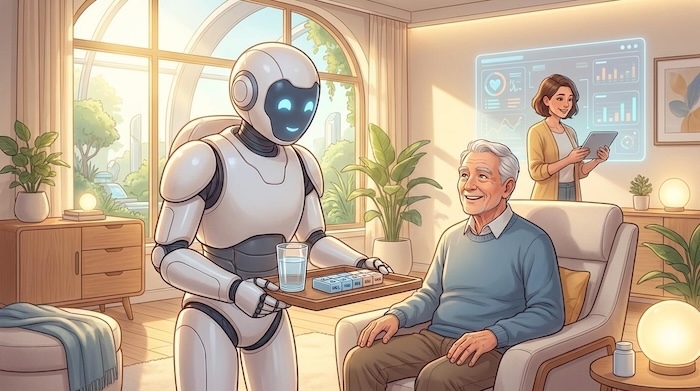
-
Robotic Paternalism: Nudging or Controlling?
The rise of AI that doesn’t just assist but "nudges" raises concerns about "Robotic Paternalism." If an AI, programmed with safety algorithms, prevents an older adult from going for a walk because it deems the weather too cold or the individual’s gait unstable, who ultimately holds authority? When the elderly are treated as passive subjects of an algorithm’s whims, rather than active participants in their own care within a human-centered, safe environment, it challenges their autonomy and freedom of choice. The balance between protecting vulnerable individuals and respecting their right to make informed decisions, even potentially risky ones, is a delicate tightrope that future robot designs and ethical frameworks must address. Clear protocols for overriding robotic decisions and ensuring human oversight will be crucial. -
Surveillance Beyond the Medical Alert System: The 24/7 Eye
Perhaps the most pervasive ethical concern is "Surveillance Beyond the Medical Alert System." Unlike human caregivers who eventually leave the room, a robot can provide constant, unobtrusive monitoring. This introduces a new category of "psychological privacy." It extends beyond simple cameras; corporate algorithms are now capable of analyzing a person’s mood based on facial expressions, gait patterns, speech inflections, and cognitive decline in real-time. The home, traditionally the final bastion of unobserved life, is rapidly becoming a sophisticated data set. While this data can be invaluable for predicting health crises and ensuring safety, it raises critical questions: Who owns this deeply personal data? How is it secured from breaches or misuse (e.g., by insurance companies or marketing firms)? What is the psychological impact of knowing one’s every move, mood, and decline is being constantly analyzed? The reality is that dementia tracking algorithms are not a future concept; they are happening right now, prompting an urgent need for robust data privacy laws and ethical guidelines.
Coming Soon (2025-2030): Your Future Robotic Roommates
The next five years are poised for an accelerated integration of diverse robotic solutions into the home care landscape, fundamentally reshaping daily life for older adults and their caregivers.
-
The Logistics Squad: Efficient Domestic Assistance
By 2030, a "Logistics Squad" of specialized robots is expected to become a standard feature of the aging-at-home experience. Robots like the Labrador Retriever are designed to handle the micro-logistics of fetching items, delivering meals, and assisting with household chores, effectively reducing the physical strain of daily tasks. Meanwhile, devices such as Lemmy are envisioned as relational hubs, managing telehealth appointments, facilitating cognitive exercises, and providing engaging social interaction. These robots are not just tools; they are designed to seamlessly integrate into daily routines, making independent living more manageable and less isolating. -
Soft Robotics: Gentle Touch and Enhanced Safety
A significant technological advancement on the horizon is the rise of "Soft Robotics." Moving away from the rigid, cold plastics of previous decades, these machines are constructed from compliant materials like fabrics and rubber. This design prioritizes "huggable" safety, human-like touch, and adaptability, crucial for intimate physical interaction. Soft robots could manifest as assistive garments, gentle manipulators for personal care, or even interactive therapeutic devices, significantly enhancing user comfort and reducing the risk of injury during human-robot interaction. While the concept may initially evoke skepticism, the safety and comfort benefits are undeniable.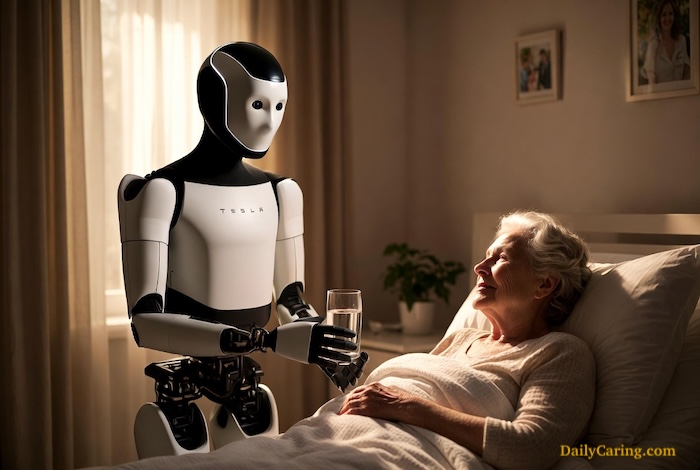
-
From Reactive to Predictive Care: Proactive Well-being
Perhaps the biggest transformation occurring is the shift from reactive tools to predictive ones. The era of the "I’ve fallen and I can’t get up" reactive fall detection device is giving way to sophisticated "fall prevention" tools. These technologies utilize advanced sensors and AI to analyze gait patterns, monitor environmental hazards (e.g., changes in floor surfaces, obstacles), and identify subtle shifts in balance or mobility that could precede a fall. Beyond falls, predictive tools are emerging for broader health monitoring, analyzing subtle changes in sleep patterns, eating habits, vital signs, and activity levels to flag potential health declines before they become critical. This proactive approach aims to intervene early, preventing adverse events and maintaining a higher quality of life. -
General-Purpose Humanoids: Bridging the Digital and Physical Divide
By 2030, the vision of two-armed, general-purpose humanoid robots like Tesla’s Optimus, Apptronik’s Apollo, and Aeolus Robotics’ Aeolus will likely begin entering the home. These highly dexterous robots are designed to assist with complex, unstructured chores that have long eluded automation, finally bridging the gap between digital assistance and physical housework. Their potential applications range from tidying spaces, preparing simple meals, to potentially assisting with more personal care tasks like dressing or transfers, albeit with significant advancements in safety, dexterity, and cost-effectiveness. Their integration into smart home ecosystems promises a truly seamless and comprehensive level of in-home support.
Conclusion: The Caregiving Co-Pilot and the Future of Human Connection
The robotic revolution does not signal the end of human caregiving; rather, it marks its continuing evolution. The role of the human caregiver is undergoing a profound redefinition, shifting from being the "primary laborer" – the individual who breaks their back lifting and their spirit reminding – to becoming a "care manager and emotional co-pilot." Technology will increasingly provide the safety net, the crucial data insights, and the logistical infrastructure necessary for efficient and effective care.
The core takeaway from this five-year horizon is clear: while technology offers unparalleled capabilities in managing the physical and administrative demands of aging, the human element remains the only source of genuine recognition, empathy, and profound emotional connection. A robot can diligently remind an individual to take their heart medication, but it cannot understand why their heart might feel heavy with grief or loneliness. In the hybrid care model of the future, machines will handle the heavy lifting – both physical and logistical – thereby creating space for humans to focus on the irreplaceable emotional caregiving journey, fostering deeper connections, and ensuring that dignity, compassion, and personal touch remain at the heart of elder care. The challenge, and the promise, lies in navigating this complex new frontier responsibly, ensuring that technology serves humanity, rather than diminishing it.