Major Overhaul to Medicare Part D in 2026 Promises Financial Predictability and Caps Prescription Drug Costs for Seniors.

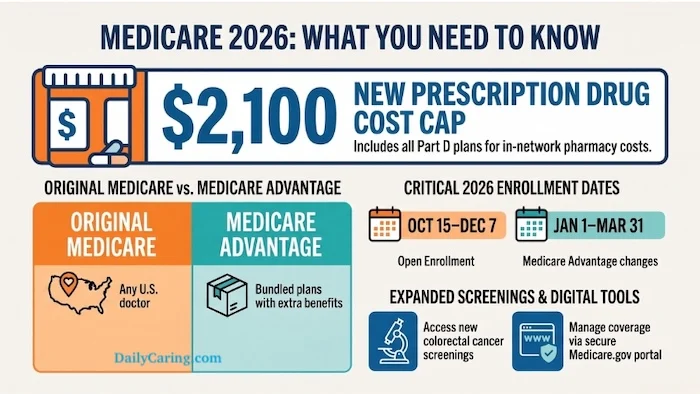
The landscape of prescription drug coverage for older adults has undergone a monumental transformation in 2026, marking a pivotal moment for millions of Medicare beneficiaries and their caregivers. Historically, navigating the complexities of Medicare Part D has been a source of significant financial strain and uncertainty, characterized by unpredictable cost fluctuations that made budgeting nearly impossible. The comprehensive changes implemented in 2026, largely stemming from the Inflation Reduction Act (IRA), are designed to eliminate much of this volatility, ushering in an era of unprecedented financial predictability in the prescription drug market. At the core of these reforms is a strict annual out-of-pocket cap of $2,100 for covered prescription medications, coupled with a standard deductible set at $615. This legislative triumph directly addresses long-standing grievances regarding escalating drug costs and the infamous "donut hole," providing much-needed relief to vulnerable populations.
The Genesis of Change: The Inflation Reduction Act and Its Phased Rollout
The sweeping reforms witnessed in Medicare Part D for 2026 are the culmination of provisions within the Inflation Reduction Act (IRA), signed into law in August 2022. This landmark legislation aimed to lower healthcare costs, address climate change, and reduce the national deficit. For Medicare beneficiaries, the IRA’s drug pricing reforms represent the most significant changes to the program since its inception. The implementation has been strategically phased to allow beneficiaries, pharmaceutical companies, and insurance providers to adapt:
- 2023: Marked the beginning with a cap on insulin copayments at $35 per month for Medicare Part D enrollees, significantly easing the burden for millions living with diabetes. Additionally, vaccines recommended by the Advisory Committee on Immunization Practices (ACIP) became free for Part D beneficiaries.
- 2024: Brought further relief by eliminating the 5% coinsurance requirement in the catastrophic phase of Medicare Part D. This meant that once a beneficiary reached the catastrophic threshold, they no longer had to pay 5% of their drug costs, with Medicare shouldering the full expense. The IRA also expanded eligibility for the Low-Income Subsidy (LIS) program, often referred to as "Extra Help," to cover more beneficiaries with incomes up to 150% of the federal poverty level.
- 2025: Introduced a cap on the annual growth of Part D base premiums at 6%, a measure designed to prevent insurers from excessively hiking premiums in response to other IRA provisions.
- 2026: Is the year of the most impactful changes, including the $2,100 out-of-pocket cap, the permanent elimination of the coverage gap (donut hole), and the introduction of the Medicare Prescription Payment Plan. Looking ahead, the IRA also paved the way for Medicare to begin negotiating prices for certain high-cost drugs, starting with 10 drugs in 2026 and expanding in subsequent years, a provision aimed at curbing pharmaceutical costs at their source.
These legislative milestones reflect a growing national consensus on the urgency of addressing the escalating cost of prescription drugs, which has long been a leading cause of medical debt and a barrier to adherence for millions of older Americans.
The Demise of the "Donut Hole": A Decade-Long Burden Lifted

For over a decade, one of the most confusing and financially devastating aspects of Medicare Part D was the "coverage gap," universally known as the "donut hole." This phase imposed a severe financial burden on seniors who reached a specific spending threshold. After initial coverage, beneficiaries would suddenly find themselves responsible for a substantial percentage of their drug costs – often 25% to 50% – until they spent enough to exit the donut hole and enter catastrophic coverage. This unpredictable shift in financial responsibility made medication management a nightmare for caregivers and often led to beneficiaries rationing or discontinuing vital prescriptions.
As of 2026, the donut hole is definitively and permanently eliminated. It no longer exists in any form. This fundamental change means that beneficiaries will no longer face a sudden increase in their cost-sharing responsibilities after reaching a certain spending level. Instead, the path from initial coverage to full coverage after the out-of-pocket cap is now seamless and predictable. Understanding these Medicare Part D changes and the associated prescription caps is an indispensable component of sound eldercare financial planning. Once an enrollee’s out-of-pocket spending on covered medications reaches exactly $2,100 in a single calendar year, their Part D plan or Medicare Advantage plan will cover 100% of the cost of those medications for the remainder of the year. Crucially, there are no exceptions, and the previous 5% coinsurance in the catastrophic phase has been eliminated. The cost drops to zero.
Key Financial Predictability: The $2,100 Cap and $615 Deductible
The $2,100 out-of-pocket cap is arguably the most significant reform for beneficiaries. This cap provides a definitive upper limit to what any Part D enrollee will pay for covered prescription drugs in a given year, regardless of the total cost of their medications. This represents a monumental shift from previous years where, even in the catastrophic phase, beneficiaries could still be responsible for 5% of their drug costs, which could amount to thousands of dollars for those on very expensive specialty medications. The new $0 liability after the cap provides unprecedented financial security.
Alongside the out-of-pocket cap, the maximum standard deductible for Part D plans is legally set at $615 for the 2026 plan year. This is the amount a beneficiary must pay for their covered drugs before their Part D plan begins to pay its share. While deductibles have always been a feature of Part D, their integration into this new, more predictable cost structure ensures that beneficiaries have a clear understanding of their initial financial responsibility.
Mitigating Upfront Costs: The Medicare Prescription Payment Plan

Recognizing that even a $615 deductible or accumulated copayments could represent a significant upfront financial hit for many seniors, the 2026 reforms also mandate the continuation of the Medicare Prescription Payment Plan. This innovative program is designed to prevent beneficiaries from facing immediate large sums at the pharmacy counter, particularly at the beginning of the year or when filling high-cost prescriptions.
The Medicare Prescription Payment Plan is an opt-in program, offering enrollees the flexibility to smooth their out-of-pocket costs over the entire calendar year. Instead of paying a large lump sum for their deductible or high copayments, a caregiver can choose to enroll their loved one in this program. Under this plan, the pharmacy bills the insurance plan, and the insurance plan then sends the enrollee a manageable monthly bill for their share of the costs. This effectively turns unpredictable, sporadic drug expenses into predictable, budget-friendly monthly payments, significantly easing cash flow management for individuals and families. For example, if a beneficiary is projected to reach the $2,100 cap in a year, the payment plan would divide that amount into 12 equal monthly installments of $175, ensuring no single large payment surprises.
The Real Threat: Formulary Manipulation and the Call for Vigilance
While the 2026 Medicare Part D changes promise substantial financial relief, it is critical for beneficiaries and caregivers to remain vigilant. Insurance companies are not absorbing these new, higher costs out of altruism. Facing increased financial exposure due to the mandated out-of-pocket caps, they are aggressively seeking ways to offset these costs. A primary strategy observed across the industry is the manipulation of covered drug lists, known as formularies, and the shifting of medications into higher pricing tiers.
This means that a drug that was fully covered and affordable in 2025 may be entirely dropped from a plan’s formulary in 2026, or moved to a tier with significantly higher copayments or coinsurance. For instance, a preferred brand-name drug might become a non-preferred brand or even a specialty tier drug, leading to substantial cost increases for the individual before the $2,100 cap is met. It is paramount for beneficiaries and their caregivers to meticulously verify that all of their loved one’s specific medications remain on their chosen plan’s formulary during the Annual Enrollment Period (AEP). If a prescription drug is not on the formulary, the money spent on it will not count toward the $2,100 out-of-pocket cap, nor will it be covered by the plan, potentially leaving beneficiaries responsible for the full, uncapped cost of essential medications.
Premium Stabilization: A Guardrail Against Soaring Monthly Fees

Another critical, albeit less publicized, Medicare Part D change enacted by the IRA is the premium stabilization program. This provision aims to prevent insurers from simply jacking up monthly premiums to recoup the costs associated with the new out-of-pocket caps. The law caps the annual increase of the Part D base premium at 6%. The base premium is an average calculated across all Part D plans; however, this cap does not strictly apply to individual plan premiums.
Individual plan premiums will still fluctuate based on a variety of factors, including the plan’s specific benefit design, its formulary, the demographics of its enrollees, and market competition. Therefore, while the base premium growth is restrained, beneficiaries might still see their specific plan’s premium increase by more or less than 6%. This underscores why annual comparison shopping during the Annual Enrollment Period (October 15 to December 7) is absolutely critical. Beneficiaries cannot assume their current coverage will remain the most cost-effective or comprehensive option year after year. Proactive review of coverage options gives beneficiaries and caregivers a distinct advantage in optimizing costs and ensuring continued access to necessary medications.
Broader Implications and Stakeholder Perspectives
The 2026 Medicare Part D reforms carry far-reaching implications for various stakeholders:
- For Seniors and Caregivers: The changes are overwhelmingly positive, offering profound financial relief and peace of mind. For the estimated 19 million Part D enrollees who typically reach the catastrophic phase each year, the $2,100 cap and elimination of the 5% coinsurance could save thousands of dollars annually. Reduced stress, improved medication adherence, and potentially better health outcomes are anticipated. However, the onus of vigilance regarding formulary changes places a new, albeit manageable, responsibility on caregivers.
- For Insurance Companies: These reforms present significant financial challenges. Mandated caps mean insurers absorb a greater share of high-cost drug expenditures. Their responses, such as formulary adjustments, more aggressive negotiations with pharmaceutical manufacturers, and a focus on managing utilization through prior authorizations and step therapy, are already evident. The competitive landscape for Part D plans will intensify as insurers vie for enrollees while managing their cost exposure.
- For Pharmaceutical Companies: The IRA’s provisions, including the out-of-pocket caps and the upcoming drug price negotiation, exert downward pressure on drug prices and profitability. This could influence research and development priorities, potentially shifting focus towards drugs with higher value propositions or those less likely to be impacted by Medicare negotiation. The industry faces a complex environment of balancing innovation with increasing cost controls.
- For the Healthcare System: Reduced financial barriers to prescription drugs can lead to improved public health by enhancing medication adherence and preventing complications from undertreated conditions. This could, in turn, reduce hospitalizations and other high-cost medical interventions, potentially leading to overall system savings in the long run.
Navigating the Annual Enrollment Period (AEP) for 2026 and Beyond
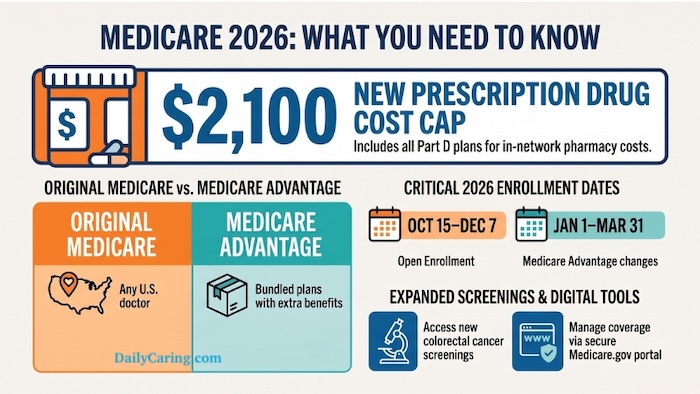
The Annual Enrollment Period (AEP), which typically runs from October 15 to December 7 each year, is now more crucial than ever for Medicare beneficiaries and their caregivers. This is the window during which individuals can switch Part D plans, enroll in a Part D plan for the first time, or change their Medicare Advantage plan.
Key Steps for a Successful AEP:
- Review Your Annual Notice of Change (ANOC): Every September, your current plan sends an ANOC detailing any changes to your coverage, costs, or formulary for the upcoming year. This document is essential reading.
- Verify Formulary Coverage: This is the most critical step. Check if all of your loved one’s current medications will still be covered by your existing plan and at what cost-sharing tier. If a drug has been dropped or moved to a higher tier, immediate action is required.
- Utilize the Medicare Plan Finder: Medicare.gov’s official Plan Finder tool is indispensable. It allows you to compare all available Part D and Medicare Advantage plans in your area, input your specific medications, and see estimated annual costs for each plan, including premiums, deductibles, and copayments, all calculated under the new $2,100 cap structure.
- Consider the Prescription Payment Plan: During AEP, decide if opting into the Medicare Prescription Payment Plan would benefit your loved one’s financial management by spreading costs over the year.
- Seek Expert Assistance: State Health Insurance Assistance Programs (SHIPs) offer free, unbiased counseling to Medicare beneficiaries. Pharmacists can also provide valuable insights into drug costs and alternatives. Consulting with a qualified Medicare advisor or financial planner can provide tailored guidance for complex situations.
Conclusion: A New Dawn for Medicare Part D Beneficiaries
The 2026 Medicare Part D changes represent a historic victory for older adults and their families, fundamentally reshaping the financial landscape of prescription drug coverage. The permanent elimination of the dreaded "donut hole" and the imposition of a strict $2,100 out-of-pocket cap usher in an era of unprecedented predictability and financial relief. While these reforms are transformative, they also demand proactive engagement and vigilance from beneficiaries and caregivers, particularly concerning potential formulary manipulations by insurance providers. By diligently reviewing plan options during the Annual Enrollment Period and leveraging resources like the Medicare Prescription Payment Plan, beneficiaries can maximize the benefits of these landmark changes and ensure sustained access to the medications vital for their health and well-being. The days of unpredictable, sky-high prescription drug costs are definitively over, replaced by a system designed to offer greater security and peace of mind.
Disclaimer: The information provided in this article is for educational purposes only and does not constitute professional financial or legal advice. Always consult with a qualified Medicare advisor or financial planner regarding your specific situation.