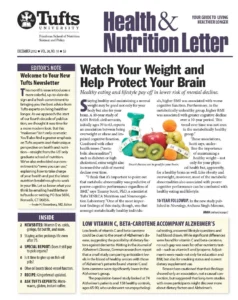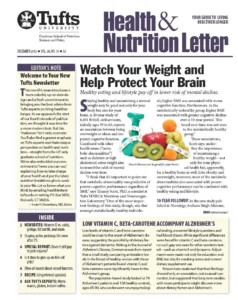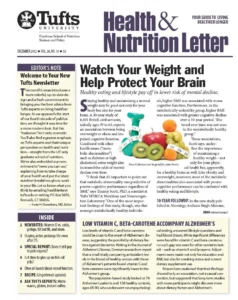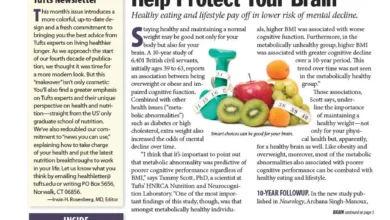
Navigating the Landscape of Evidence-Based Nutrition: Inside the Tufts Health and Nutrition Letter and the Modern Quest for Reliable Dietary Science


In an era defined by an overwhelming influx of health and wellness information, discerning scientifically validated nutritional guidance from fleeting dietary fads has become an increasingly complex challenge for the average consumer. Amidst the digital noise of social media influencers, conflicting headlines, and commercialized superfood promotions, authoritative and peer-reviewed educational publications serve a vital public health function. Among the most enduring and respected resources in this field is the Tufts Health & Nutrition Letter, a publication originating from the esteemed Friedman School of Nutrition Science and Policy at Tufts University. Designed to bridge the gap between complex academic research and everyday dietary choices, publications of this caliber have continually shaped public understanding of how diet intersects with chronic disease prevention, longevity, and overall well-being. However, accessing this specialized knowledge increasingly occurs behind paywalls and subscription models, reflecting a broader economic reality in modern journalism and academic publishing where rigorous, independent reporting requires financial sustainability to maintain its editorial integrity.
The Evolution of Nutritional Science and Public Health Communication
To understand the enduring value of institutional health newsletters, one must examine the historical trajectory of nutritional science over the past several decades. Throughout the mid-to-late 20th century, dietary recommendations underwent significant transformations. The focus shifted from merely preventing acute nutrient-deficiency diseases, such as scurvy and rickets, to addressing chronic, lifestyle-driven conditions, including cardiovascular disease, type 2 diabetes, and obesity. During this period, academic institutions emerged as critical arbiters of objective truth, conducting large-scale epidemiological studies and randomized controlled trials that gradually untangled the complex relationships between specific dietary components and human physiology.
As the body of scientific literature expanded exponentially, a communication gap emerged between laboratory researchers and the general public. Academic journals were often impenetrably dense, written in specialized terminology inaccessible to non-specialists, while popular media outlets frequently sensationalized preliminary findings to capture reader attention. In response, university-affiliated publications like the Tufts Health & Nutrition Letter were established to distill peer-reviewed research into clear, actionable advice. By bypassing commercial advertising revenue, these publications aimed to provide unbiased guidance free from the commercial pressures that often compromise mainstream lifestyle magazines.
The Economic Model of Specialized Health Journalism
The sustainability of independent, evidence-based health reporting relies heavily on subscription-based models. In the contemporary media landscape, producing accurate, thoroughly vetted journalism requires substantial financial investment in research, expert consultation, fact-checking, and editorial oversight. Publications managed by academic institutions typically avoid sponsored content and direct brand partnerships, making subscription fees the primary mechanism for funding ongoing operations.
Subscription models ensure that the publication remains accountable solely to its readership rather than corporate advertisers or food industry stakeholders. For an annual fee—often structured to be accessible to a wide demographic, with baseline rates starting near modest thresholds—subscribers gain unhindered access to current monthly editions, extensive digital archives, and specialized online resources. This paywall architecture, while occasionally presenting a barrier to casual readers seeking quick answers, safeguards the rigorous editorial standards required in scientific journalism. It ensures that the dissemination of public health information remains resilient against sensationalism and clickbait incentives that plague ad-supported digital platforms.
Understanding the Subscription Infrastructure
Accessing specialized health content typically involves a streamlined digital infrastructure designed to verify user accounts, manage recurring billing, and secure subscriber databases. Platforms dedicated to health education generally utilize integrated management systems that allow users to activate online accounts, retrieve forgotten credentials, and seamlessly transition from print subscriptions to digital platforms.
For institutional publications, maintaining a robust digital portal is essential for modern readership engagement. Subscribers frequently look beyond the physical newsletter to access searchable back-catalogues, interactive dietary calculators, and real-time updates on emerging food safety recalls or regulatory shifts by agencies such as the U.S. Food and Drug Administration (FDA) and the U.S. Department of Agriculture (USDA). This digital integration enhances the utility of the subscription, transforming a traditional print periodical into a dynamic, interactive research tool for health-conscious individuals, educators, and healthcare professionals alike.
The Broader Implications for Consumer Health Literacy
The existence of gated, expert-driven health resources raises important questions regarding health literacy equity within the broader population. In an ideal public health ecosystem, vital information concerning preventative nutrition and chronic disease management would be universally accessible to all socioeconomic groups. However, the economic realities of publishing create a tiered landscape where individuals willing to invest financially gain access to superior, verified guidance, while those relying on free, ad-driven platforms remain vulnerable to misinformation and predatory marketing tactics.
Public health advocates and academic institutions continually grapple with this tension, frequently balancing the need for institutional financial self-sufficiency with the social mission of promoting widespread public welfare. Many universities offer discounted group rates, educational institutional licenses, and subsidized community access programs to mitigate these disparities. Furthermore, academic newsletters often collaborate with public libraries and community health centers to broaden the reach of their educational materials, ensuring that evidence-based guidance permeates beyond individual subscribers into wider community networks.
Looking Ahead: The Future of Evidence-Based Dietary Guidance
As nutritional science continues to evolve—incorporating cutting-edge fields such as nutrigenomics, the study of the human microbiome, and personalized medicine—the demand for reliable, objective interpretation of data will only intensify. The future of publications like the Tufts Health & Nutrition Letter will likely involve adapting to new digital formats, including multimedia content, interactive web applications, and personalized nutritional dashboards, all while preserving the foundational commitment to rigorous scientific scrutiny.
Ultimately, navigating the complexities of modern nutrition requires a partnership between rigorous academic research, transparent journalism, and engaged readership. By investing in paid subscriptions to independent, peer-reviewed health publications, consumers actively support a media ecosystem that prioritizes scientific accuracy over sensationalism, ensuring that public health guidance remains a reliable compass in an increasingly crowded and confusing informational marketplace.
Related posts: