Beyond the Panic Button: How Modern Medical Alert Systems Are Reshaping Senior Independence

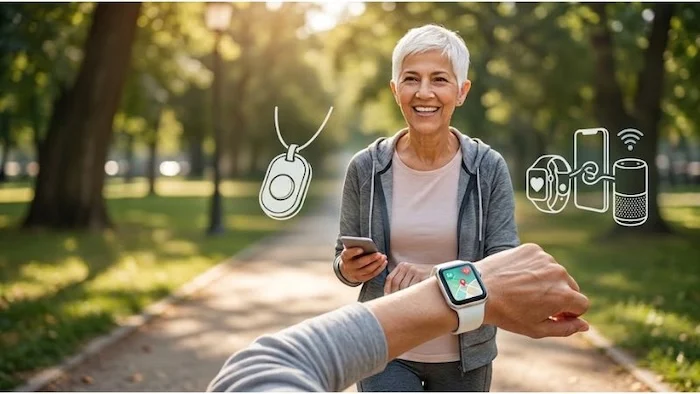
The landscape of senior care and independent living technology has undergone a profound transformation, moving far beyond the traditional, reactive panic buttons of previous generations into an era of proactive, integrated health monitoring. According to recent data from AARP, nearly 90 percent of adults aged 65 and older express a strong preference for aging in place rather than transitioning to assisted living or skilled nursing facilities. This overwhelming demographic desire to maintain autonomy at home has catalyzed massive innovation in personal emergency response systems (PERS). Market analysts project that the global medical alert systems sector will reach a valuation of $11.8 billion, propelled entirely by consumer and caregiver demand for sophisticated, reliable safety networks that bridge the gap between absolute independence and necessary medical oversight.
To understand the scope of this technological leap, industry observers must look back at the legacy format that dominated the market for decades. The traditional medical alert system relied on a rigid architecture: a simple wearable pendant connected via a short-range radio frequency to a localized base station, which in turn required a physical landline to bridge calls to a centralized monitoring dispatch. While groundbreaking for its time, this configuration possessed severe operational vulnerabilities. The system was functionally useless if an older adult wandered beyond an 800-foot perimeter of the home base unit, forgot to wear the device, or suffered a catastrophic medical event that left them unconscious and unable to manually depress the physical trigger button. Furthermore, the rapid obsolescence of traditional landlines in modern households threatened to render these legacy safety nets obsolete altogether.
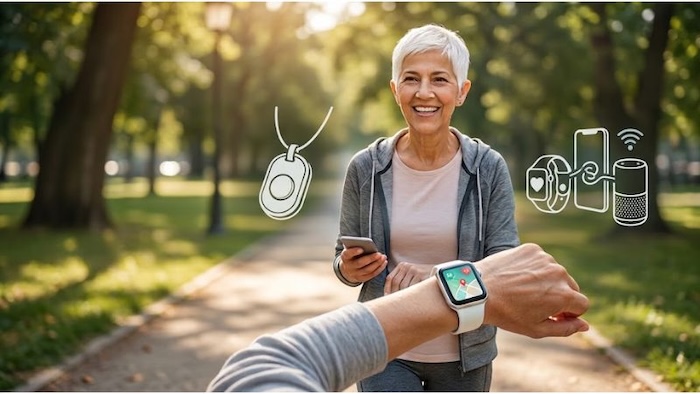
The contemporary market, by contrast, leverages cellular connectivity, global positioning system (GPS) integration, wearable artificial intelligence (AI), and passive ambient sensors to protect aging populations both inside and outside the home. Modern smartwatches and discrete pendants now feature built-in cellular chips, granting users unlimited nationwide coverage and seamless tracking capabilities wherever mobile networks operate. This mobility allows active seniors to pursue daily walks, social outings, and travel while remaining tethered to an emergency response infrastructure. Meanwhile, families and professional caregivers gain access to dedicated mobile applications that provide real-time updates regarding device battery levels, precise geographic locations, and daily activity logs, transforming a passive safety precaution into an active care coordination hub.
Central to this technological evolution is the refinement of automatic fall detection mechanisms. Early iterations of fall-detection pendants relied on crude impact triggers that suffered from notoriously high false-alarm rates, frequently dispatching emergency services unnecessarily when a user dropped the device or sat down abruptly. Modern smartwatches and advanced wearables utilize complex sensor arrays—specifically AI-filtered accelerometers and gyroscopes—to measure subtle shifts in body velocity, posture, and impact force. These algorithms are sophisticated enough to distinguish between a routine drop onto a sofa and a hard, dangerous fall. When a genuine fall pattern is detected, the device initiates an automated protocol, connecting the user to a dispatcher even if they are incapacitated and unable to speak.
For seniors experiencing cognitive decline, memory loss, or advanced dementia who frequently refuse to wear traditional watches or pendants, the industry has introduced ambient radar and wall-mounted AI sensors. These passive systems monitor room occupancy, movement fluidity, and routine deviations across an entire household without requiring the senior to wear any physical device whatsoever. By mapping normal daily behaviors—such as kitchen usage, bathroom visits, and sleep cycles—these ambient networks can instantly alert caregivers to unexpected anomalies, such as a missed morning routine or a suspected ground-level fall in a hallway.

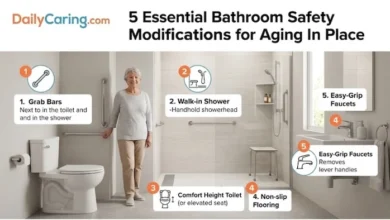
Despite these remarkable advancements, healthcare professionals and gerontologists emphasize that technology must never be viewed as a total substitute for human oversight. Medical alert systems are fundamentally designed as risk-mitigation tools intended to buy precious minutes during an emergency and mitigate the dangers associated with delayed medical intervention. According to guidelines published by the National Institute on Aging, comprehensive fall prevention requires a multi-layered approach, including environmental modifications like bathroom grab bars, medication reviews to prevent dizziness, and regular physical therapy to maintain balance and muscle mass. Caregivers are strongly advised to align the choice of technology directly with the user’s cognitive and physical capabilities; for instance, a feature-heavy touchscreen smartwatch will likely overwhelm an individual with severe cognitive impairment, whereas passive radar or a simple, single-function pendant would be far more appropriate.
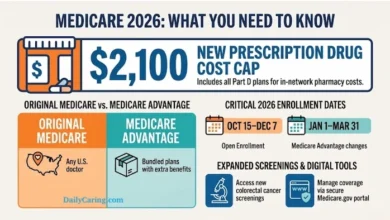
Navigating the financial landscape of these modern systems presents its own set of challenges for families balancing caregiving costs. Under current federal guidelines, Original Medicare (Parts A and B) does not provide financial coverage for medical alert systems, categorizing them outside the definition of durable medical equipment. However, an increasing number of Medicare Advantage (Part C) plans, along with specific state Medicaid programs, have begun offering partial coverage, subsidies, or hardware discounts as part of supplemental wellness benefits. Consumers are encouraged to verify plan specifics directly with their insurance providers before purchasing equipment.
The broader implications of this technological boom point toward a future where aging in place is safer, more viable, and less stressful for both seniors and their families. By removing the social stigma traditionally associated with bulky, clinical panic buttons, modern sleek designs encourage broader adoption among older adults fiercely protective of their personal dignity. As artificial intelligence and sensor accuracy continue to improve, the boundary between independent living and institutional care will remain permeable, supported by quiet, reliable digital guardians operating discreetly in the background of everyday life.