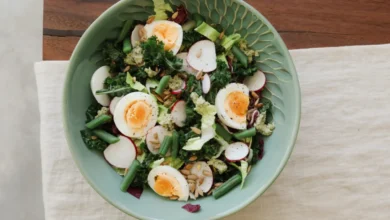
Show you care with these thoughtful, healthy alternatives to sugary holiday food gifts.

The holiday season has long been synonymous with indulgence, traditionally marked by an influx of sugar-laden treats, processed chocolates, and calorie-dense baked goods gifted among friends, family, and corporate colleagues. However, a growing cultural shift toward holistic wellness and preventative health is reshaping how consumers approach gift-giving during the festive months. Public health advocates, nutritionists, and culinary professionals are increasingly encouraging a departure from conventional confectionery toward nutrient-dense, wholesome alternatives that honor traditional expressions of gratitude without compromising physical well-being. This evolving consumer mindset has
transformed the holiday food gift market, giving rise to artisanal, health-conscious hampers filled with locally sourced honey, premium olive oils, organic teas, and nutrient-rich pantry staples.
The Shift Away From Excess: Understanding the Modern Holiday Gift Market
For decades, the commercialization of the winter holidays has driven the mass production and consumption of sugary gifts. Retail statistics from past decades consistently highlight spikes in retail confectionery sales between November and January. Yet, this seasonal sugar surplus often runs counter to rising public health initiatives. According to data from various health organizations, the average individual gains between one and five pounds during the winter holiday season—weight that frequently is not lost in the subsequent months, contributing to long-term cumulative health risks such as obesity, type 2 diabetes, and cardiovascular complications.
In response, modern consumers are rethinking their purchasing habits. Market research indicates a substantial double-digit increase in the demand for functional foods, organic goods, and wellness-oriented gift baskets over the past five years. Gift-givers are no longer seeking mindless indulgence; instead, they are looking for ways to communicate care, thoughtfulness, and longevity. By swapping out refined sugars for natural, health-promoting alternatives, individuals can celebrate the season of giving while actively supporting the health and vitality of their loved ones.
Crafting the Ultimate Healthy Holiday Basket: Essential Elements
Assembling a thoughtful, healthy food gift does not require expensive commercial hampers or extensive culinary training. The core objective is to select items that offer genuine nutritional value while retaining an artisanal, celebratory aesthetic.
1. Artisanal Honey and Natural Sweeteners
Refined white sugar offers empty calories and rapid glycemic spikes. In contrast, raw, locally sourced honey provides a complex flavor profile along with trace amounts of antioxidants, enzymes, and antimicrobial properties. Gifting a jar of local wildflower or clover honey—perhaps accompanied by a wooden honey dipper—supports regional apiaries and offers recipients a natural sweetener for their morning tea or holiday baking.
2. Premium Extra Virgin Olive Oil
High-quality extra virgin olive oil (EVOO) is a cornerstone of the Mediterranean diet, celebrated for its high concentration of monounsaturated fats and powerful polyphenols. Presenting a bottle of dark, cold-pressed EVOO in a decorative glass container elevates an everyday cooking essential into an upscale culinary gift. It invites recipients to explore healthful cooking methods, encouraging them to replace processed cooking fats with a heart-healthy alternative.
3. Specialty Loose-Leaf Teas and Herbal Infusions
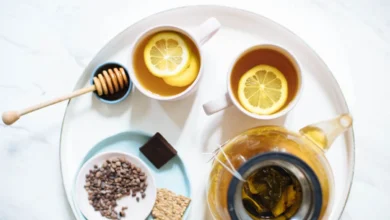
The winter months naturally invite warm, comforting beverages. Standard supermarket tea bags often contain dust-grade leaves and artificial flavorings, but specialty loose-leaf teas—such as organic green tea, ceremonial-grade matcha, rooibos, or custom herbal blends featuring peppermint, chamomile, and ginger—offer both superior flavor and notable health benefits. Teas rich in antioxidants can aid digestion, reduce inflammation, and promote relaxation during the often-stressful holiday season.
4. Whole-Food Pantry Staples and Artisanal Nuts
To round out a wholesome gift basket, consider including nutrient-dense snacks like raw or lightly dry-roasted almonds, walnuts, and pecans. Rich in omega-3 fatty acids, plant-based protein, and fiber, tree nuts make an excellent substitute for sugary candies. Additionally, small jars of small-batch fruit preserves sweetened entirely with fruit juice or unrefined alternatives can provide the sweetness of traditional jams without the processed sugar overload.
The Economic and Cultural Implications of Mindful Gifting
The transition toward health-focused holiday gifting carries significant implications for both consumer economics and the broader food industry. Small-scale producers, local farmers, and independent artisans stand to benefit immensely from this trend. When consumers choose local honey, regional olive oils, and independent tea blenders over mass-market candy conglomerates, local economies are stimulated, and sustainable agricultural practices are reinforced.
Furthermore, nutritionists and wellness experts suggest that gifting healthy foods can act as a catalyst for positive behavioral change.
"When we gift people nourishing foods, we are implicitly communicating that we value their health and longevity," notes Dr. Elena Vance, a preventative medicine specialist and culinary nutritionist. "It shifts the narrative of holiday eating away from guilt and restriction toward appreciation and mindful nourishment. It shows that celebration and wellness do not have to be mutually exclusive."
Corporate entities are also taking note of this cultural shift. Many businesses that historically distributed corporate holiday towers filled with commercial chocolates and salted caramels are now pivoting toward wellness baskets. These corporate gifts often feature branded reusable containers filled with artisanal teas, nuts, and whole-grain snacks, aligning corporate social responsibility goals with employee health initiatives.
Chronology of the Wellness Gifting Movement
- Early 2010s: The rise of the clean-eating movement begins to influence mainstream culinary culture, increasing consumer awareness regarding the negative impacts of refined sugars and processed ingredients.
- Mid-2010s: Artisanal food markets expand rapidly. Consumers show a heightened preference for transparency, local sourcing, and product provenance, laying the groundwork for specialty food gifting.
- Late 2010s to 2020: The global health crisis focuses public attention on immune health, preventative care, and nutritional wellness, accelerating the shift away from junk-food gifts.
- Post-2020 to Present: Health-conscious gifting solidifies into a major retail trend. Market analysts report sustained annual growth in the wellness hamper and artisanal food sectors, with consumers actively seeking sustainable, low-sugar, and nutrient-dense alternatives for all celebratory occasions.
Practical Steps for Assembling Your Own Healthy Gift
Creating a personalized, health-focused gift basket at home is both cost-effective and deeply meaningful. To ensure success, consider the following structured approach:
- Select a Sustainable Base: Choose a reusable container, such as a woven basket, a wooden crate, or a decorative canvas tote, which the recipient can repurpose long after the contents have been consumed.
- Focus on Quality Over Quantity: Select three to four exceptional items rather than filling the basket with numerous processed items. A single bottle of high-grade olive oil paired with a jar of raw honey makes a powerful, elegant statement.
- Incorporate Natural Aesthetics: Decorate the presentation using seasonal, biodegradable elements such as dried citrus wheels, cinnamon sticks, pine cones, or pressed autumn leaves, maintaining an organic and rustic visual appeal.
- Include Personal Touches: Attach a handwritten card featuring brief notes on why each item was chosen, along with simple recipe suggestions—such as how to use the honey in a homemade vinaigrette or steep the loose-leaf tea for optimal flavor.
Looking Ahead: The Future of Festive Traditions
As society continues to reevaluate its relationship with food, health, and consumerism, traditional holiday practices will inevitably adapt. The pivot toward healthy, mindful food gifting is more than a passing lifestyle trend; it represents a fundamental re-alignment of core values during a season traditionally defined by excess.
By choosing to gift items that nourish the body, support local producers, and respect the environment, individuals can preserve the warmth and generosity of the holiday spirit while investing in a healthier future for their communities. Whether through a jar of golden wildflower honey, a bottle of robust olive oil, or a tin of soothing herbal tea, these thoughtful alternatives prove that true care is best expressed through wellness.