The Quiet Revolution: How Artificial Intelligence is Reshaping Family Caregiving and Relieving the Invisible Mental Load

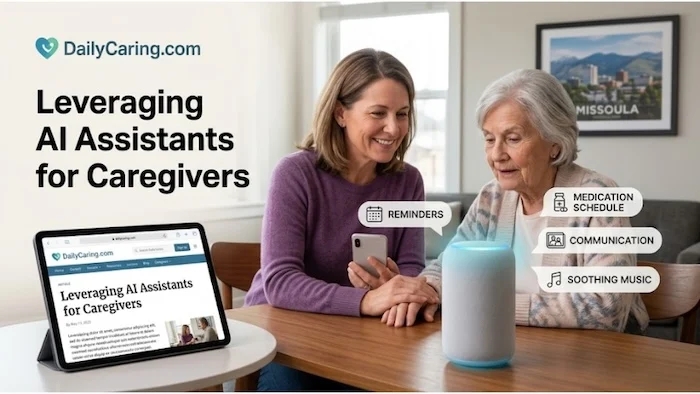
The modern landscape of family caregiving is defined by an overwhelming convergence of medical management, administrative burdens, and continuous emotional labor. Millions of individuals navigate the complexities of supporting aging parents, spouses, or disabled relatives while simultaneously balancing careers, children, and their own personal lives. While acts of caregiving are rooted in deep devotion and responsibility, the cumulative toll often manifests as severe psychological and physical distress. In response to this mounting crisis, healthcare technologists, innovators, and family advocates are increasingly looking toward artificial intelligence (AI) as a viable co-pilot to alleviate the hidden pressures of daily care management.
The Anatomy of the Caregiver Mental Load
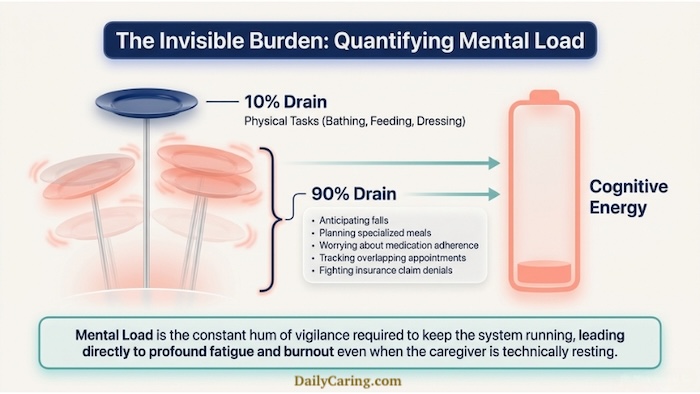
To understand why technological intervention has become necessary, one must first examine the concept of the "mental load" in caregiving. Unlike physical tasks—such as assisting with mobility, preparing meals, or administering medication—the mental load is continuous, invisible, and cognitive. It encompasses the relentless anticipation, planning, and worrying that persists long after a physical task is completed. A caregiver’s mind operates as a perpetual inventory of potential risks and logistical requirements: tracking pharmaceutical refills, cross-referencing insurance policies, monitoring subtle shifts in a loved one’s health, and coordinating schedules across extended family networks.
This sustained cognitive strain carries significant public health implications. According to various health studies and aging advocacy organizations, chronic stress among family caregivers frequently leads to elevated cortisol levels, disrupted sleep patterns, clinical anxiety, and depression. Over time, this unyielding pressure culminates in caregiver burnout—a state of profound physical, emotional, and mental exhaustion that compromises the caregiver’s ability to function and, consequently, the quality of care provided to the recipient. Recognizing that human endurance has structural limits, researchers and developers have accelerated the creation of digital and AI-driven solutions tailored specifically to domestic care environments.
The Evolution of Caregiving Technology: From Basic Reminders to Proactive AI
Technology has long played a role in assisting older adults and their caretakers, though early iterations were largely limited to static tools. Traditional interventions included basic digital alarms, calendar alerts, and rudimentary emergency response pendants. While helpful, these systems required constant human programming and active monitoring, essentially adding to the administrative duties of the caregiver rather than reducing them.
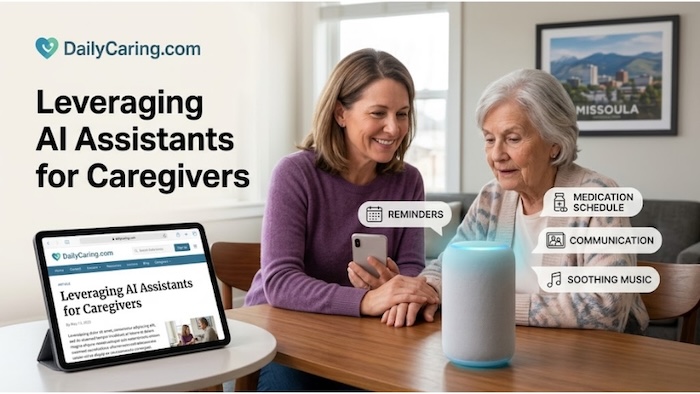
The integration of artificial intelligence represents a paradigm shift. Modern AI assistants are no longer passive notepads; they are dynamic, adaptive systems capable of processing natural language, recognizing behavioral anomalies, learning domestic routines, and offering proactive recommendations. The primary objective of these technologies is not to replace the irreplaceable human empathy inherent in caregiving, but rather to automate repetitive administrative labor, optimize household organization, and establish safer living conditions for vulnerable populations.

Practical Applications and Real-World AI Tools
The practical implementation of AI in caregiving spans several distinct operational categories, ranging from daily scheduling and medication adherence to remote safety monitoring and health research. Several real-world platforms illustrate how these tools function in contemporary households:
-
Sensi.ai: Addressing Safety and Privacy Concerns
For families grappling with the risks of nighttime wandering, falls, or sudden medical distress, traditional video monitoring often feels overly intrusive, infringing upon the privacy and dignity of the care recipient. Sensi.ai addresses this dilemma through non-invasive, audio-only "care pods" placed within the home. Utilizing acoustic AI, the system analyzes ambient sounds—such as an unusual thud, repetitive coughing, or distressed vocalizations—and instantly dispatches alerts to the caregiver’s mobile device. This provides continuous security while preserving household privacy. -
ElliQ: Proactive Companionship and Engagement
Developed by Intuition Robotics, ElliQ is a social companion robot designed specifically for older adults. Unlike conventional smart home speakers that remain dormant until prompted by a user, ElliQ initiates interactions based on context and time of day. It prompts users to stay hydrated, guides them through light physical exercises, initiates video calls with family members, and engages in cognitive stimulation games. Simultaneously, its companion app supplies caregivers with daily wellness updates regarding their loved one’s activity levels and mood, mitigating the guilt associated with being physically absent.
-
ianacare: Mobilizing Informal Support Networks
The burden of caregiving is frequently exacerbated by isolation and the difficulty of coordinating assistance from well-meaning friends and extended family members who lack clear direction. The ianacare application utilizes smart algorithms to streamline the organization of informal care networks. By centralizing communication, the platform allows primary caregivers to delegate specific, manageable tasks—such as grocery drop-offs, transportation to medical appointments, or designated respite hours—eliminating the emotional exhaustion of managing fragmented group chats and uncoordinated offers of help. -
General Language Models for Administrative Efficiency
Administrative tasks, such as drafting appeals for denied insurance claims, organizing complex discharge paperwork, or planning specialized dietary menus, consume hours of a caregiver’s week. General-purpose AI models, including OpenAI’s ChatGPT and Google’s Gemini, are increasingly utilized to draft correspondence, summarize dense medical literature, and organize daily schedules. However, cybersecurity and privacy experts emphasize strict data hygiene when utilizing public platforms: users must thoroughly anonymize sensitive health information, omitting names, dates of birth, and official identification numbers to protect privacy.
Chronology and Institutional Response
The intersection of artificial intelligence and eldercare has gained formal momentum across institutional and governmental sectors. In recent years, federal health agencies, including the U.S. Department of Health and Human Services (HHS), have actively supported innovation initiatives aimed at integrating digital tools into the national care infrastructure. Facing a rapidly aging demographic—often referred to by demographers as the "silver tsunami"—and a concurrent shortage of professional healthcare workers, policymakers have recognized that family caregivers form the backbone of the healthcare continuum.
Venture capital investment in "silver tech" and eldercare solutions has surged correspondingly, reflecting a broader market realization that caregiving technologies are essential infrastructure rather than niche consumer products. Industry analysts project that as machine learning models become more sophisticated and voice-interface technologies become more natural, the adoption rate among older demographics and their children will accelerate significantly over the next decade.
Analysis of Implications and Future Outlook
The integration of artificial intelligence into family caregiving carries profound social, economic, and ethical implications. Economically, reducing caregiver burnout has the potential to lower systemic healthcare costs by preventing the premature institutionalization of aging adults and mitigating stress-related illnesses among family members. Socially, these tools foster a rebalancing of responsibilities, allowing family members to transition from stressed project managers back into sons, daughters, and spouses focused primarily on emotional connection.
However, challenges remain. Issues surrounding digital literacy among older populations, the cost accessibility of advanced hardware, and the imperative of robust data privacy frameworks require ongoing attention from developers and regulators. Ensuring equitable access to these technologies across diverse socioeconomic backgrounds will be critical to preventing a digital divide in eldercare.
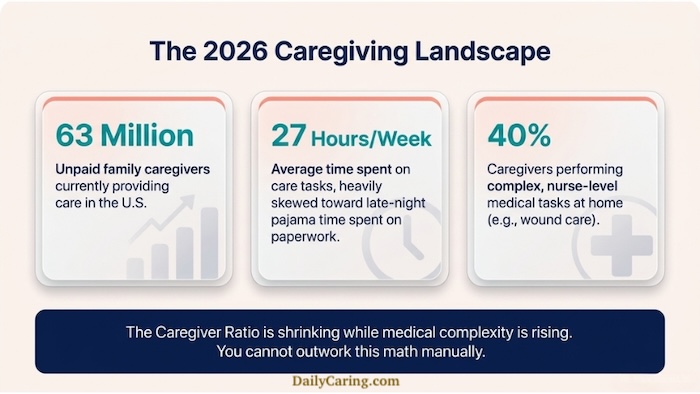
Ultimately, artificial intelligence offers a pragmatic pathway through an overwhelming systemic challenge. By strategically delegating repetitive cognitive and administrative burdens to technology, family caregivers can reclaim the mental space and physical resilience necessary to sustain their vital roles over the long term, ensuring a healthier and more balanced caregiving journey for all involved.