Navigating the Market: A Comprehensive Guide to Choosing the Right Medical Alert System for Seniors

Selecting an appropriate personal emergency response system (PERS) has evolved into a critical component of eldercare planning, directly impacting the safety, independence, and overall quality of life for aging populations. As the global demographic shifts toward an increasingly older population, the market for medical alert technology has expanded rapidly, moving far beyond traditional stationary home buttons to sophisticated, mobile, GPS-enabled wearable units. For family caregivers and seniors alike, evaluating the myriad choices can be daunting. Understanding the foundational distinctions among these devices—ranging from geographic range and fall detection capabilities to monthly subscription models and hardware design—is essential for making an informed, cost-effective investment in personal safety.
The evolution of personal emergency response systems reflects broader technological advancements in telecommunications and wearable health monitors. Historically, medical alerts consisted of hardwired residential base stations tethered to landlines, restricting users to the immediate interior of their homes. However, the nationwide transition away from copper-wire landlines, coupled with the widespread adoption of cellular networks and satellite positioning, has revolutionized the industry. Today’s marketplace features hybrid options, cellular base units with robust battery backups, and lightweight smart-pendants equipped with cellular chips that operate nationwide. Industry analysts note that this technological leap has coincided with a growing preference among seniors to age in place safely, driving heightened demand for reliable, unobtrusive monitoring solutions that do not compromise an active lifestyle.

To systematically evaluate the options available on the market, industry experts recommend examining five core categories: system type, fall detection technology, professional monitoring response times, financial obligations, and ergonomic wearability.
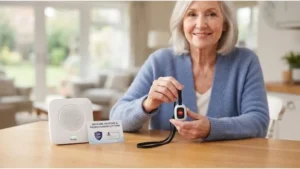
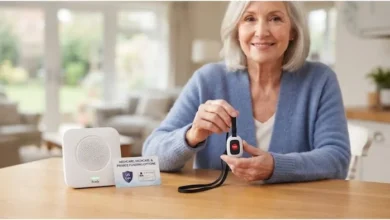
System architecture serves as the primary dividing line for consumers. In-home systems are best suited for homebound individuals or those who rarely leave the premises without a companion. These units typically utilize a base station connected to a cellular or landline network, projecting a radio frequency signal to a wearable pendant or wristband within a radius of 800 to 1,400 feet. Conversely, mobile and GPS-enabled systems cater to active seniors who drive, run errands, or travel independently. Utilizing cellular networks and GPS tracking, these mobile pendants and smartwatches ensure emergency dispatchers can pinpoint a user’s exact coordinates anywhere in the country. Hybrid models bridge this gap, offering cellular-connected base stations paired with long-range pendants suitable for modern multi-story apartment complexes or retirement communities where traditional landlines are absent.
Automatic fall detection has emerged as one of the most vital, albeit frequently optional, features in modern personal emergency response technology. Utilizing internal accelerometers and gyroscopes—similar to the technology embedded in mainstream smartphones and smartwatches—fall detection algorithms identify sudden changes in trajectory and impact characteristic of a fall. If a user is incapacitated and unable to press the manual emergency button, the device automatically initiates a call to the monitoring center. While this feature often incurs an additional monthly fee, medical professionals strongly recommend it for individuals with a history of balance issues, syncope, or severe osteoporosis.

The efficacy of any medical alert system ultimately relies on the infrastructure of its remote monitoring service. Consumers are advised to scrutinize provider response times, with industry standards aiming for an average connection speed under 30 seconds. Furthermore, the reliability of the communication pathway is paramount. Cellular-backed systems generally outperform traditional landline setups because they remain fully operational during residential power outages, provided the base station or mobile device maintains a charged battery backup.
Financial considerations represent another critical hurdle for families navigating fixed incomes. Upfront equipment costs vary widely; some manufacturers charge hundreds of dollars for hardware purchase, while others distribute equipment at no initial cost tied to a service agreement. Monthly monitoring fees typically range from $20 to $50, depending on the inclusion of premium features like GPS tracking or fall detection. Consumer advocates consistently advise against signing rigid, long-term multi-year contracts, recommending flexible month-to-month subscription plans that allow users to cancel or modify services as health needs evolve. Additionally, buyers must audit potential hidden fees, including activation charges, device return penalties, and specialized warranty coverages.
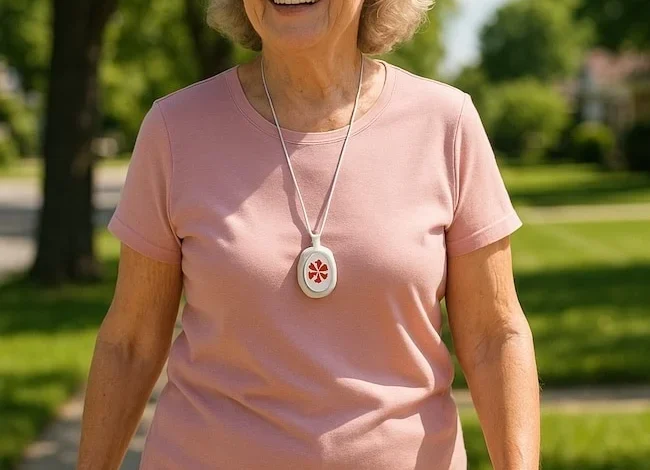
Ergonomics and daily usability heavily influence whether a senior will consistently wear the device. A medical alert system only provides protection if it is actively worn or nearby. Consequently, manufacturers prioritize lightweight, waterproof designs that can be worn in the shower—where a significant percentage of at-home falls occur. Battery life is equally critical for mobile units, which typically require regular charging intervals ranging from 24 hours to five days. In-home wearable buttons, by contrast, utilize low-power radio protocols that allow batteries to last for several years without recharging.

Beyond core safety features, secondary considerations are increasingly shaping consumer choices. Many modern systems integrate family notification protocols, sending text messages or mobile app alerts to designated caregivers alongside emergency dispatch services. Integration with smart home ecosystems, such as voice assistants, provides additional layers of convenience and accessibility. When finalizing a purchase, experts recommend cross-referencing manufacturer claims with independent consumer reviews, ratings from the Better Business Bureau, and specialized senior advocacy platforms to gauge real-world reliability and customer service responsiveness.
Ultimately, choosing the appropriate medical alert system requires a thorough, objective assessment of an individual’s physical capabilities, living environment, and daily routines. By carefully balancing technological features against budgetary constraints,
seniors and their caregivers can secure a dependable safety net that preserves dignity, promotes independence, and offers invaluable peace of mind.