Unlocking Senior Wellness: How Medicare Advantage Plans Provide Free Gym Memberships to Combat Falls and Cognitive Decline


Keeping aging loved ones safe, mobile, and mentally sharp remains a paramount priority for millions of family caregivers across the United States. As older adults navigate the challenges of aging, independent living is most frequently threatened by two major hazards: physical falls, which often lead to catastrophic hospitalizations and loss of independence, and progressive cognitive decline. Fortunately, comprehensive medical research consistently demonstrates that regular physical activity and targeted brain training can substantially mitigate these risks. Even more encouraging for budget-conscious families, many older adults already possess access to robust, professional fitness programs entirely free of charge through their existing health insurance coverage.
While Original Medicare Parts A and B notoriously exclude standard fitness benefits from their coverage portfolios, millions of beneficiaries enrolled in private Medicare Advantage (Part C) plans—and select Medicare Supplement (Medigap) policies—enjoy comprehensive wellness packages as a core component of their healthcare benefits. These offerings have evolved from rudimentary promotional perks into sophisticated, evidence-based preventive care initiatives designed to extend healthspan, reduce fall-related injuries, and support neurological health.
The Critical Intersection of Fitness, Fall Prevention, and Brain Health
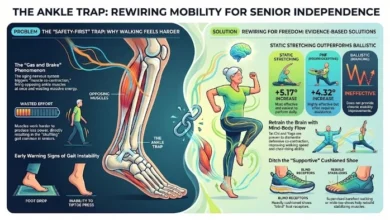
For the aging population, regular exercise transcends aesthetic goals or general fitness; it functions as a critical medical defense mechanism against frailty and neurological degradation. According to data compiled by the National Council on Aging (NCOA), unsteadiness resulting from age-related muscle loss—known clinically as sarcopenia—is a primary driver of devastating falls among seniors. Incorporating targeted strength training and balance exercises directly combats this muscle atrophy, stabilizing the body and drastically lowering the incidence of injurious tumbles.
Because proactive exercise routines have proved exceptionally effective at preventing costly fall-related hospital admissions, progressive health insurers now classify senior gym memberships as foundational preventive care. Beyond physical conditioning, cardiovascular activity increases cerebral blood flow, nourishing neural pathways. When paired with structured cognitive exercises, this holistic wellness approach helps delay the onset of dementia and preserves cognitive processing speeds in older adults.
Major Senior Fitness Programs Available Through Medicare Advantage
Seniors and their caregivers exploring private Medicare Advantage plans will generally encounter one of three primary fitness networks embedded within their plan benefits. Each program offers distinct advantages tailored to different lifestyles, mobility levels, and geographic locations.

SilverSneakers
Established decades ago, SilverSneakers remains the most widely recognized and culturally embedded senior fitness initiative in the nation. It provides unlimited, no-cost access to a vast network of over 17,000 participating fitness facilities nationwide. This network encompasses major commercial health club chains, such as Planet Fitness and Anytime Fitness, alongside community anchors like local YMCAs and recreation centers.
A primary benefit of SilverSneakers is its specialized class structure curated specifically for older adults. Programs like "SilverSneakers Stability" focus explicitly on core strength and balance to avert dangerous falls. Additional formats include Classic, Circuit, and Splash water aerobics, complemented by the SilverSneakers GO mobile application for guided home workouts. Furthermore, the program features "FLEX community classes" hosted in accessible alternative venues like local parks, community centers, and houses of worship—an ideal solution for seniors who feel intimidated by traditional commercial gym environments.
Industry observers note a notable market shift regarding SilverSneakers: major insurer UnitedHealthcare dropped the program several years ago to launch its proprietary alternative, a transition that frequently catches caregivers off guard during annual open enrollment periods.
Renew Active
Designed exclusively for members enrolled in UnitedHealthcare Medicare Advantage plans, Renew Active boasts the largest footprint in the senior fitness sector, spanning more than 25,000 participating locations across the United States.
Beyond standard physical fitness amenities, Renew Active places a heavy emphasis on cognitive health. Recognizing the deep correlation between physical and mental vitality, the program integrates comprehensive brain-health tools, including access to AARP Staying Sharp and BrainHQ cognitive training modules. This dual-pronged approach addresses both physical frailty and cognitive deterioration within a single cohesive benefit package.
Silver&Fit
Available through a diverse array of regional health insurance carriers, Silver&Fit provides access to a network exceeding 15,000 fitness facilities. For homebound seniors or those hesitant to utilize public fitness facilities, Silver&Fit distinguishes itself through its robust home fitness kit offerings. Enrollees can select from various kits—including resistance bands, yoga mats, and stability balls—shipped directly to their residences, ensuring that physical conditioning remains accessible regardless of mobility limitations or geographic isolation.

Comparative Overview of Senior Fitness Networks
| Fitness Program | Network Size | Primary Insurer Affiliations | Key Differentiating Feature |
|---|---|---|---|
| SilverSneakers | 17,000+ locations | Aetna, Humana, Anthem, Cigna | Diverse community-based FLEX classes in parks and senior centers. |
| Renew Active | 25,000+ locations | Exclusive to UnitedHealthcare | Heavy integration of cognitive tools like BrainHQ and Staying Sharp. |
| Silver&Fit | 15,000+ locations | Select Regional Carriers | Specialized home fitness kits shipped directly to the participant. |
Chronology and Evolution of Medicare Fitness Benefits
The inclusion of fitness benefits within government-subsidized senior health plans represents a decades-long evolution in geriatric healthcare policy.
- Early 1990s: Commercial fitness initiatives targeting older adults emerge organically, primarily as out-of-pocket subscriptions or localized community center classes.
- Late 1990s to Early 2000s: Private insurers offering Medicare managed care plans (the precursor to modern Medicare Advantage) begin experimenting with value-added perks to attract healthier beneficiaries, laying the groundwork for programs like SilverSneakers.
- 2003: The Medicare Prescription Drug, Improvement, and Modernization Act officially establishes Medicare Part C (Medicare Advantage), paving the way for standardized supplemental benefits that prioritize preventive health.
- 2010s: Empirical medical research overwhelmingly validates the link between physical activity and reduced healthcare utilization among seniors, prompting major insurers to expand fitness allocations as a cost-saving measure.
- Present Day: Programs like Renew Active and SilverSneakers integrate advanced digital applications, telehealth integration, and cognitive health tracking, transforming gym memberships into comprehensive longevity platforms.
Implications for Healthcare Costs and Caregiver Responsibilities
Healthcare economists and policy analysts point out that incorporating free fitness memberships into Medicare Advantage plans yields profound economic and clinical implications. By subsidizing gym memberships and home workout kits, insurance providers successfully curtail the staggering financial and personal toll associated with senior falls. According to federal health data, the average cost of treating a single fall-related injury among older adults runs into tens of thousands of dollars, frequently triggering a downward spiral of declining health and institutionalized care.
For family caregivers, these embedded benefits alleviate significant operational and financial stress. Rather than bearing the expense of private gym memberships or specialized physical therapy out of pocket, caregivers can leverage existing insurance structures to keep their aging relatives active. Furthermore, programs offering home-based alternatives ensure that even individuals with severe mobility restrictions or those residing in rural areas can maintain a safe exercise regimen.
Verifying Eligibility and Unlocking Benefits
Navigating insurance benefits can occasionally prove daunting for families juggling caregiving responsibilities. However, checking eligibility for these fitness programs requires a straightforward process that incurs no out-of-pocket enrollment or cancellation fees if the benefit is included in the chosen plan.
- Review the Annual Summary of Benefits: Caregivers should examine the "Summary of Benefits" document provided by the senior’s Medicare Advantage plan provider during the annual open enrollment period or upon initial enrollment.
- Contact Plan Customer Service: A direct inquiry to the insurance carrier’s member services department can immediately clarify whether SilverSneakers, Renew Active, or Silver&Fit is included under the specific policy tier.
- Obtain Program Confirmation Codes: Once verified, the provider will issue a unique program ID or confirmation code, which the senior or caregiver can present directly at participating fitness facilities or register online to unlock immediate access.
As the population continues to age, proactive lifestyle interventions anchored by comprehensive insurance benefits will remain a cornerstone of elder care. By taking a few moments to audit and verify existing Medicare Advantage plan details, families can secure vital resources that promote longevity, enhance daily mobility, and safeguard the independence of their aging loved ones for years to come.