The critical necessity of palliative care in the Pakistani healthcare landscape


The discourse surrounding cancer treatment in Pakistan is increasingly shifting from a purely curative focus to a more holistic approach that incorporates palliative care, a specialized medical discipline dedicated to optimizing quality of life for patients facing life-limiting illnesses. Recent testimonials regarding the end-of-life care provided at institutions like the Shaukat Khanum Memorial Cancer Hospital and Research Centre (SKMCH&RC) in Lahore have highlighted the profound impact of symptom management and the preservation of patient dignity during the terminal stages of malignancy. As the nation grapples with a surging cancer burden, the scarcity of trained palliative medicine specialists has emerged as a significant barrier to comprehensive healthcare delivery.
The Evolution of Palliative Care in Clinical Practice
Palliative care is defined by the World Health Organization (WHO) as an approach that improves the quality of life of patients and their families facing the problems associated with life-threatening illness, through the prevention and relief of suffering by means of early identification and impeccable assessment and treatment of pain and other problems, physical, psychosocial, and spiritual.
In the context of the recent case study involving a patient battling advanced prostate cancer, the transition from curative interventions—such as chemotherapy and radiotherapy—to palliative support marks a critical juncture. When aggressive cancer treatments no longer yield a therapeutic benefit, the focus shifts to alleviating the multifaceted burden of the disease. This transition requires a multidisciplinary team, including palliative medicine physicians, specialized nurses, psychologists, and social workers, who collectively work to manage physical symptoms like refractory pain, dyspnea, and delirium, while addressing the emotional distress of the patient and their family.
A Chronology of Treatment and Symptom Management
The trajectory of the patient in question serves as a clinical timeline often observed in late-stage oncological cases. Initially, the patient underwent standard oncological protocols, including multi-cycle chemotherapy and localized radiotherapy at a premier oncology facility. These interventions are designed to induce remission or stabilize disease progression. However, the aggressive nature of metastatic prostate cancer often leads to systemic failure.
As the condition deteriorated, the clinical focus pivoted toward palliative intervention. The intervention was characterized by:
- Symptom Stabilization: The utilization of specialized nursing care to monitor and manage physiological decline, ensuring that the patient remained comfortable despite the rapid progression of the disease.
- Communication and Presence: A pivotal element of the palliative approach noted was the maintenance of human-centric communication. Even when the patient reached an unresponsive state, the clinical staff continued to provide verbal updates during routine care, such as hygiene assistance and mouth care. This practice is supported by evidence suggesting that patients in altered states of consciousness may still retain auditory perception, and such interactions serve to uphold the patient’s identity and dignity.
- Terminal Care: The final phase prioritized a "good death"—a concept in palliative medicine that emphasizes the absence of unnecessary invasive procedures, the presence of family support, and the cessation of physical suffering.
The Burgeoning Cancer Crisis in Pakistan
The demand for palliative services in Pakistan is underscored by alarming epidemiological data. According to the Global Cancer Observatory (GLOBOCAN), Pakistan faces one of the highest cancer incidence rates in Asia. The country records over 170,000 new cancer cases annually, with mortality rates that remain disproportionately high due to late-stage diagnoses and limited access to specialized palliative infrastructure.
Prostate cancer, specifically, is among the most common malignancies in Pakistani males. When diagnosed at an advanced stage (Stage IV), the five-year survival rate drops significantly, necessitating a robust framework for palliative care that is currently lacking in the public sector. While major tertiary care hospitals like Shaukat Khanum have integrated palliative units, the majority of public hospitals across the country lack dedicated palliative departments, leaving a vast demographic without adequate pain management or psychological support.
The Human Resource Deficit: A Systemic Challenge
A primary constraint in the expansion of palliative care in Pakistan is the acute shortage of trained professionals. Currently, there are only a handful of certified palliative medicine consultants operating within the country. This deficit is attributed to several systemic factors:
- Lack of Specialized Training: Palliative medicine is not yet a mainstream residency track in most Pakistani medical universities, leading to a lack of awareness among young physicians regarding the sub-specialty.
- Cultural Misconception: In many segments of society, palliative care is erroneously conflated with "giving up" on the patient, rather than being understood as a vital, active form of medical care.
- Resource Allocation: Public health spending remains heavily weighted toward acute care and infectious disease control, often overlooking the long-term needs of non-communicable disease (NCD) patients.
Experts within the oncology community suggest that integrating palliative care modules into the undergraduate MBBS curriculum is essential. By exposing medical students to the nuances of symptom control, ethical decision-making, and psychosocial support early in their careers, the medical community can foster a new generation of practitioners capable of bridging the current service gap.
Implications for Public Health Policy
The implications of failing to prioritize palliative care are significant. Without adequate access, patients are often subjected to unnecessary, painful, and costly interventions during their final weeks of life—procedures that provide no therapeutic benefit but exhaust family financial resources.
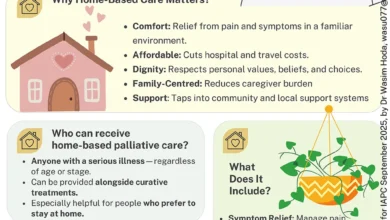
From an economic perspective, studies have indicated that robust palliative care programs can actually reduce overall healthcare costs by preventing avoidable emergency room visits and hospital admissions. By shifting care to a model that emphasizes home-based palliative support or dedicated hospice care, the healthcare system can achieve a more sustainable allocation of resources.
Furthermore, the legal and ethical framework surrounding "Do Not Resuscitate" (DNR) orders and advance directives remains underdeveloped in Pakistan. Clarifying these legal guidelines would empower families and clinicians to honor a patient’s wishes, ensuring that the focus remains on comfort rather than the prolonging of the dying process.
Call to Action: The Future of Palliative Medicine
The appeal to young doctors in Pakistan to specialize in palliative medicine is not merely a plea for humanitarian service but a call for the professionalization of a critical medical sub-specialty. The growth of this field requires:
- Institutional Investment: Hospitals must establish dedicated palliative medicine departments led by board-certified consultants.
- Professional Recognition: The Pakistan Medical and Dental Council (PMDC) should recognize palliative medicine as a formal sub-specialty, creating a pathway for structured training and certification.
- Community Outreach: Public awareness campaigns are necessary to destigmatize palliative care, helping the general public understand that it is a fundamental human right for those with terminal illnesses.
The journey of the patient at Shaukat Khanum serves as a poignant reminder that while modern medicine has made significant strides in fighting disease, its greatest success is often found in the quiet moments of compassion. Ensuring that every terminal patient in Pakistan can transition with dignity is a challenge that the medical fraternity, in collaboration with policymakers, must address with urgency. The goal is to ensure that when a cure is no longer possible, the medical system does not abandon the patient, but rather shifts its focus to the most important task remaining: providing relief, comfort, and respect until the final breath.
Related posts: