The Hospital at Home Revolution: Transforming Patient Care and Redefining the Caregiver’s Role

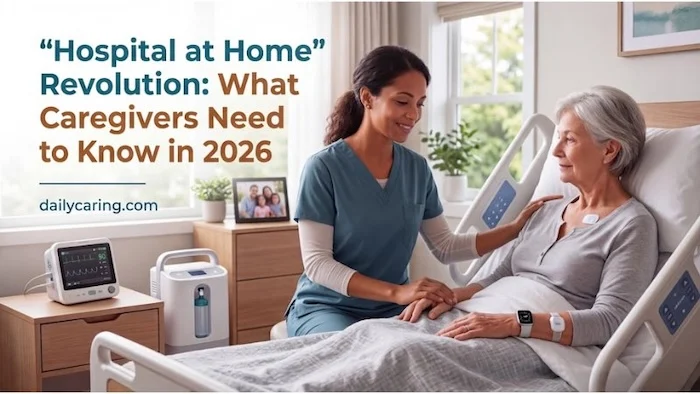
In a significant shift poised to reshape the landscape of acute healthcare, the "Hospital at Home" model, bolstered by the Consolidated Appropriations Act of 2026, has transcended its pilot phase to become an established standard of care across the United States. This innovative approach, which allows patients requiring hospital-level treatment for conditions such as heart failure exacerbations or severe infections to receive care within the comfort and familiarity of their own residences, promises enhanced patient outcomes and reduced healthcare costs. However, its widespread adoption through 2030 introduces a profound new dimension to the responsibilities of family caregivers, effectively integrating them as indispensable partners in the clinical team.
The Genesis and Evolution of Hospital at Home
The concept of Hospital at Home is not entirely new, with pioneering programs tracing back to the 1990s, notably at Johns Hopkins Medicine. These early initiatives demonstrated that carefully selected patients could receive acute care safely and effectively outside traditional hospital walls. The model gained significant traction and accelerated adoption during the COVID-19 pandemic, when hospitals faced unprecedented strain, bed shortages, and a heightened risk of nosocomial infections. To address these critical challenges, the Centers for Medicare & Medicaid Services (CMS) launched the "Acute Hospital Care at Home" waiver program in 2020. This emergency measure allowed hospitals to be reimbursed for acute care services delivered in patients’ homes, treating a wide range of conditions that traditionally necessitated inpatient admission.
The success of these pandemic-era waivers, marked by lower readmission rates, reduced infection risks, and high patient satisfaction, provided compelling evidence for the program’s long-term viability. This data, coupled with advocacy from organizations like Moving Health Home, culminated in the passage of the Consolidated Appropriations Act of 2026. This landmark legislation extended the federal waiver through 2030, solidifying Hospital at Home as a permanent fixture in the nation’s healthcare delivery system rather than a temporary solution.
Defining the "Home Hospital" Experience
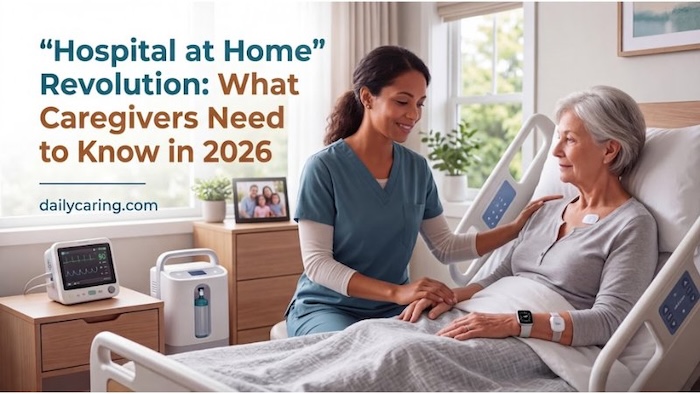
Under the Hospital at Home model, eligible patients are formally "admitted" to a hospital program but receive their care at home. This comprehensive care package typically includes:
- Regular in-person visits: Physicians, nurses, and other healthcare professionals conduct scheduled home visits.
- Remote monitoring: Advanced technology tracks vital signs, oxygen saturation, cardiac rhythm, and other critical parameters 24/7, transmitting data to a central clinical team.
- Telehealth consultations: Daily virtual "rounds" with doctors and nurses via video calls ensure continuous oversight and allow for immediate adjustments to care plans.
- Medication management: Delivery of prescribed medications, often with instruction and oversight for administration.
- Diagnostic services: Portable equipment for blood tests, X-rays, and sometimes even ultrasounds can be brought to the home.
- Therapeutic services: Physical, occupational, and respiratory therapy sessions can be provided in the home setting.
- Equipment provision: Hospital beds, IV poles, oxygen concentrators, and other necessary medical devices are supplied and installed.
- Food delivery: Some programs include meal delivery services tailored to the patient’s dietary needs.
The rationale behind this model is multi-faceted. Studies published by organizations like CMS have consistently shown that patients treated at home experience fewer complications, particularly infections, and often report greater comfort and psychological well-being. The familiar environment can reduce stress and disorientation, particularly for elderly patients, potentially leading to faster recovery times. Economically, Hospital at Home programs have demonstrated the potential for significant cost savings by reducing overhead associated with traditional inpatient stays.
The Unseen Pillars: Family Caregivers as Co-Nurses
While the benefits for patients and the healthcare system are substantial, the transition to Hospital at Home places an unprecedented burden on family caregivers. What was once considered "unpaid labor" in the context of chronic illness now becomes critical, high-intensity medical support during an acute hospitalization. The AARP 2025/2026 Caregiving report highlights this escalating trend, indicating that over half of family caregivers are regularly performing complex medical tasks that were once exclusively the domain of trained professionals. In the home hospital setting, caregivers become the "eyes and ears on the ground," the primary point of contact, and often, an extension of the clinical team.
Their responsibilities can range from assisting with medication administration (including managing IV lines), monitoring for subtle changes in a loved one’s condition (such as increased confusion or new symptoms), coordinating with various medical personnel and service providers, and ensuring the proper functioning of medical equipment. While caregivers are not expected to act as doctors or nurses, their vigilance, observational skills, and intimate knowledge of the patient’s baseline health are invaluable clinical data points. This critical role, however, is largely unfunded and often unsupported, intensifying the financial, emotional, and physical strain on individuals already navigating complex caregiving journeys.
Preparing the "Home Hospital": A Caregiver’s Essential Checklist

For caregivers considering a Hospital at Home admission, thorough preparation is paramount to ensure both patient safety and caregiver well-being. Before agreeing to this model, a careful assessment of the home environment and personal readiness is crucial:
- Reliable Connectivity: The cornerstone of remote monitoring and telehealth is a robust internet connection. Caregivers must verify that their Wi-Fi is stable enough for 24/7 vital sign transmission and daily video consultations. A battery backup for the router is a wise investment to maintain connectivity during power outages.
- Medical Authority and Documentation: In an acute situation, timely decision-making is critical. Caregivers must have all necessary legal documents in order, particularly a Healthcare Power of Attorney, ensuring they have the legal authority to make medical decisions on behalf of their loved one if the need arises.
- Technological Aptitude: The Hospital at Home model often integrates various digital tools. Caregivers should assess their comfort level with using apps for symptom tracking, medication logging, and communicating with the medical team. Familiarity with AI-powered caregiver assistants or patient portals can significantly streamline information flow.
- Adequate Physical Space: The recovery area needs to be practical and accessible. Ideally, it should be on the ground floor to minimize mobility challenges. There must be sufficient clear space for nurses to work comfortably, and for essential medical equipment like oxygen concentrators, IV poles, and portable diagnostic devices to be set up safely.
- Emergency "Red Button" Protocol: Clarity on emergency procedures is non-negotiable. Caregivers must know precisely who to call and what steps to take if their loved one’s condition rapidly deteriorates outside of scheduled visits. The hospital must provide a clear, 24/7 rapid-response protocol that the caregiver understands and trusts.
Advocacy and Self-Preservation in a New Paradigm
Once the home transitions into a temporary hospital, the caregiver’s role evolves into that of a primary advocate and a critical member of the extended care team. To navigate this demanding period without succumbing to burnout, proactive strategies are essential:
- Be the "Baseline" Expert: Caregivers possess intimate knowledge of their loved one’s typical behavior, energy levels, and subtle cues. Doctors rely on objective data, but a caregiver’s intuition about what "feels off" is a vital clinical observation. Speaking up when something seems amiss, even if monitors appear normal, is a crucial act of advocacy.
- Protect Your "Sanctuary": Maintaining mental and emotional well-being requires designated spaces for respite. Setting aside one room or area in the house as a "No-Medical Zone" where one can step away from the clinical environment and simply be a family member, not a caregiver, is invaluable for stress management.
- Maintain a Daily Log: Without a traditional hospital chart, a simple notebook becomes an indispensable tool. Tracking sleep patterns, appetite, mood changes, pain levels, and any specific observations between nurse visits streamlines daily virtual rounds and provides the medical team with comprehensive, real-time insights.
- Seek External Support: The original article’s "DailyCaring Pro Tip" regarding caregiver stipends or respite hours is increasingly relevant. As Hospital at Home programs mature, some are beginning to recognize the need to formally support caregivers, offering temporary home health aides or financial assistance. Caregivers should proactively inquire about such programs. Additionally, leveraging existing community resources, family, and friends for non-medical support (e.g., errands, childcare, meal preparation) can alleviate significant pressure.
Broader Implications and Future Outlook
The widespread adoption of Hospital at Home through 2030 carries significant implications for the broader healthcare ecosystem:
- Healthcare Workforce Redesign: Hospitals will need to reconfigure staffing models, shifting some clinical personnel from inpatient settings to home-based care teams. This necessitates specialized training in home health protocols, remote monitoring technologies, and effective communication with caregivers.
- Technological Advancement: The model drives innovation in telehealth platforms, wearable sensors, AI-powered predictive analytics, and portable diagnostic equipment. Investment in these areas will be critical for scaling the program safely and efficiently.
- Payer Models and Reimbursement: The extension of the waiver signifies a commitment from CMS to this model. Private insurers are likely to follow suit, leading to new reimbursement structures that incentivize high-quality, cost-effective home-based acute care. This could also pave the way for greater integration of social determinants of health into care planning, as the home environment itself becomes a key factor in recovery.
- Ethical Considerations and Equity: Ensuring equitable access to Hospital at Home programs is crucial. Factors such as reliable internet access, suitable housing conditions, and the availability of a capable family caregiver can create disparities. Policy efforts must address these challenges to prevent the program from exacerbating existing health inequities.
- The Unpaid Caregiver Economy: The increased reliance on family caregivers underscores the urgent need for comprehensive caregiver support policies. This includes exploring options for caregiver compensation, expanding access to respite care, providing robust training, and integrating caregivers more formally into the care planning and decision-making process. The economic value of unpaid caregiving, estimated at over $1 trillion annually in the USA, is projected to rise further with this model’s expansion, demanding a societal response.
The Hospital at Home revolution, while offering undeniable advantages in terms of patient comfort, recovery, and healthcare efficiency, presents a complex dual reality. For patients, it promises healing in the most cherished of environments. For family caregivers, it signifies a profound expansion of their already demanding role, transforming them into vital, albeit often unsung, members of the acute care team. As this model matures and integrates deeper into the fabric of American healthcare, its long-term success will hinge not only on technological prowess and clinical efficacy but, crucially, on the robust empowerment, informed support, and systemic recognition of the indispensable family caregiver. Navigating this evolution will require a collaborative effort from healthcare providers, policymakers, and communities to ensure that while patients heal at home, their caregivers are not left to shoulder the immense burden alone.