Navigating Financial Assistance for Medical Alert Systems: What Seniors and Caregivers Need to Know

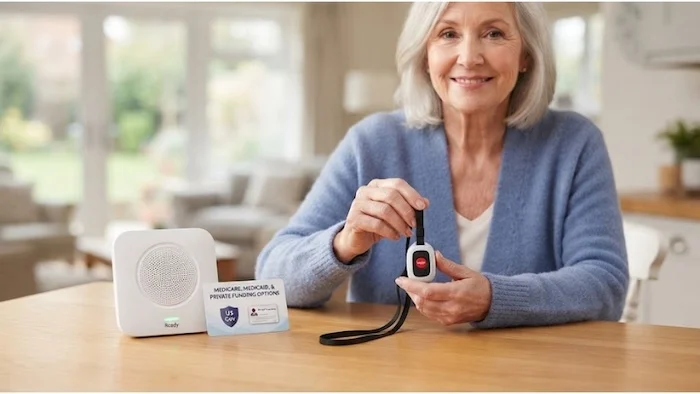
Purchasing a medical alert system, formally known as a Personal Emergency Response System (PERS), represents a critical investment in personal safety and independent living for older adults. However, navigating the complex landscape of payment options requires precise information, as many seniors and family caregivers mistakenly assume that federal healthcare programs automatically cover the expense. The reality of healthcare financing in the United States is far more fragmented. For individuals researching how to pay for medical alert systems, ultimate coverage depends entirely on an individual’s specific insurance policy, state of residence, and military veteran status.
Understanding the Landscape of Personal Emergency Response Systems
The market for personal emergency response systems has evolved significantly over the past decade. Modern medical alert devices have transitioned from simple, stationary bedside buttons to sophisticated, mobile units equipped with automatic fall detection, GPS tracking, and cellular connectivity. Despite these technological advancements, the mechanisms for funding these life-saving tools have remained largely tied to legacy definitions of medical equipment.
For millions of aging adults who wish to age in place, avoiding institutionalized care like nursing homes is a primary goal. Medical alert systems serve as a vital bridge, offering peace of mind to both seniors and their adult children. Yet, the upfront hardware costs and ongoing monthly monitoring fees can create a significant financial barrier. Understanding how government programs, private insurers, and alternative funding sources handle these costs is essential for proactive financial planning.
Government Program Coverage Breakdown
Federal and state healthcare programs treat medical alert systems differently, creating a patchwork of coverage that can catch consumers off guard.
| Program | Coverage Status | Details |
|---|---|---|
| Original Medicare (Parts A & B) | No Coverage | Not classified as durable medical equipment under current federal guidelines. |
| Medicare Advantage (Part C) | Varies | Some private insurers offer partial or full supplemental benefits. |
| Medicaid | Conditional | Covered in select states via Home and Community-Based Services (HCBS) waivers. |
| Department of Veterans Affairs (VA) | Eligible | Fully available for qualifying veterans through designated care providers. |
Does Original Medicare Cover Medical Alert Systems?
For beneficiaries enrolled in Original Medicare (Parts A and B), the short answer is no. The Centers for Medicare & Medicaid Services (CMS) explicitly exclude personal emergency response systems from their definition of Durable Medical Equipment (DME). Under federal guidelines, DME must withstand repeated use, serve primarily a medical purpose, and be appropriate for use in the home. Because regulatory bodies view medical alert devices as safety or communication tools rather than strictly diagnostic or therapeutic medical equipment, Original Medicare provides zero financial assistance. Consequently, beneficiaries relying exclusively on Parts A and B must pay 100% of the equipment and monitoring costs out of pocket.
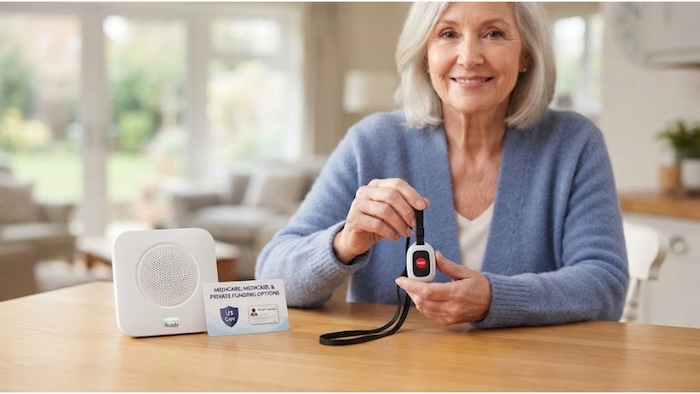
The financial equation shifts when examining Medicare Advantage (Part C) plans. Administered by private insurance companies approved by Medicare, Part C plans possess the regulatory flexibility to offer supplemental health benefits that traditional Medicare does not cover. In recent years, a growing number of Medicare Advantage insurers have begun offering partial or full coverage for medical alert systems. Insurance providers often justify this coverage because preventing catastrophic injuries from unwitnessed falls reduces costly hospital readmissions and emergency room visits. Beneficiaries must carefully review their specific annual Summary of Benefits or contact their plan provider directly to determine if a designated PERS vendor is included in their policy.
Medicaid Policies and Home and Community-Based Services (HCBS) Waivers
Medicaid offers a more promising avenue for coverage, though it remains highly conditional and decentralized. Because Medicaid is jointly funded by federal and state governments and administered at the state level, policies vary dramatically depending on where a beneficiary lives.
Under Medicaid’s Home and Community-Based Services (HCBS) waivers—specifically authorized under section 1915(c) of the Social Security Act—many states allocate funds to cover medical alert systems. These waiver programs are explicitly designed to provide alternatives to institutional care, helping older adults remain safely in their homes. When a state Medicaid program approves an HCBS waiver that includes PERS coverage, the state typically pays the monthly monitoring fee directly to an approved vendor. However, applicants must navigate strict financial and functional eligibility criteria, and beneficiaries are generally required to use specific equipment brands contracted by their state agency.
Department of Veterans Affairs (VA) Benefits
Among all government programs, the Department of Veterans Affairs provides the most straightforward and reliable path to obtaining a fully covered medical alert system. Qualifying veterans enrolled in the VA healthcare system can receive a personal emergency response system at no cost, encompassing both the hardware and the ongoing monthly monitoring fees.
Rather than purchasing a device independently and seeking reimbursement, veterans must initiate the process through their primary care provider within the VA network. If the primary care clinician determines that a medical alert system is clinically necessary to ensure the veteran’s safety at home, the VA formally orders the equipment through an approved federal vendor. This streamlined approach eliminates much of the bureaucratic friction typically associated with obtaining assistive technology through government channels.
Alternative Funding Sources: FSAs, HSAs, and Community Grants
For individuals who do not qualify for government-backed assistance or private insurance coverage, several alternative funding mechanisms can help reduce out-of-pocket expenses.

Flexible Spending Accounts (FSAs) and Health Savings Accounts (HSAs) frequently allow account holders to use pre-tax dollars to pay for medical alert systems, provided they obtain a Letter of Medical Necessity (LMN) from a licensed physician. This documentation confirms that the device is being used to treat or prevent a specific medical condition, such as a high risk of falling due to neuropathy, vertigo, or Parkinson’s disease.
Additionally, older adults and their families can explore local resources through organizations like the Area Agency on Aging (AAA). These regional agencies often maintain discretionary grant programs, localized charitable funds, or non-emergency assistance programs designed to help aging residents secure safety technology for their homes.
Broader Implications and Financial Planning
The fragmented nature of medical alert system financing places a heavy administrative and financial burden on family caregivers. Healthcare advocates and elder law professionals consistently emphasize the importance of proactive research rather than scrambling to find coverage in the aftermath of a medical emergency.
Waiting until a severe fall or health crisis occurs often leads to rushed purchasing decisions and unnecessary financial strain. By investigating insurance policies, reviewing Medicaid waiver availability, or consulting with VA representatives well in advance, families can secure vital safety infrastructure before an urgent need arises. While paying out of pocket remains a reality for many households, the monthly cost of a monitoring service pales in comparison to the devastating physical, emotional, and financial toll of an undetected medical emergency.
Disclaimer: The information provided in this article is for educational and informational purposes only and does not constitute financial, legal, or healthcare advice. Insurance policies, Medicare guidelines, and Medicaid waiver rules vary significantly by state, individual plan, and calendar year. Readers should consult with a licensed insurance broker, financial planner, or elder law attorney to verify specific coverage options and personal eligibility.
Related posts: