The Humble Apple Remains America’s Favorite Fruit Despite Evolving Nutritional Trends

The age-old proverb declaring that "an apple a day keeps the doctor away" has persisted through generations as a cornerstone of dietary folklore. While modern medical science clarifies that consuming the fruit is not a guaranteed shield against illness, nutritional data continuously reinforces that apples remain an exceptionally smart dietary choice. Inexpensive, widely accessible year-round, and offering a diverse spectrum of flavors and textures, apples provide a portable, nutrient-dense snack that continues to dominate American produce consumption.
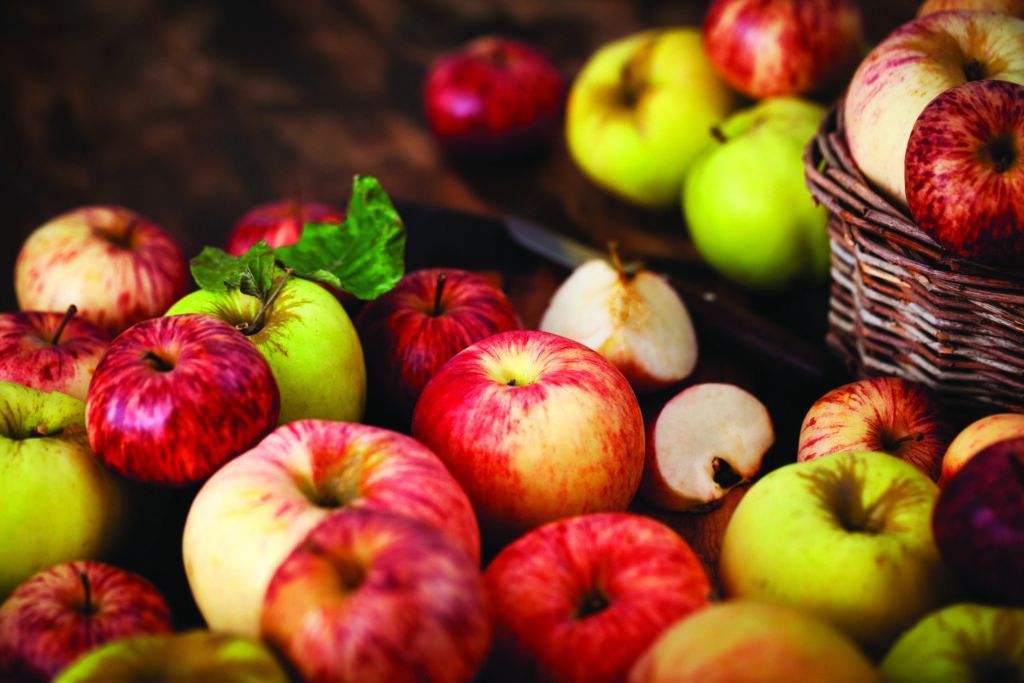
According to agricultural and dietary statistics, the average American consumes roughly 14 pounds of apples annually, cementing its status as the nation’s favorite fruit. This widespread popularity is supported by staggering agricultural diversity. Botanists and horticulturists recognize more than 7,500 distinct apple varieties cultivated globally. From the sharp tang of a Granny Smith to the crisp sweetness of a Fuji or Honeycrisp, this vast selection ensures there is an apple suited to virtually every palate, culinary application, and regional climate.
Nutritional Profile and Core Health Benefits
From a dietary standpoint, a medium-sized apple delivers approximately 100 calories, making it an efficient energy source that fits comfortably into calorie-conscious meal plans. Composed of roughly 85 percent water, the fruit aids in hydration while packing a significant nutritional punch. A single serving provides about 20 percent of the recommended daily value for dietary fiber.
Crucially, apples outpace many other fruits in their concentration of soluble fiber, particularly a compound known as pectin. While citrus fruits historically capture the spotlight as the preeminent source of vitamin C, apples also contribute a reliable share of this essential antioxidant vitamin, supporting immune function and cellular health.
Dietitians emphasize proper storage and preparation to maximize these benefits. Experts recommend selecting apples that feel heavy and firm, featuring smooth, unblemished skin and a mild, fruity fragrance. To maintain optimal crispness, they should be stored in a perforated plastic bag within the refrigerator’s crisper drawer. Contrary to the practices of some consumers who utilize specialized produce washes, food safety authorities note that thoroughly rubbing apples under running tap water is entirely sufficient to eliminate surface dirt, potential contaminants, and residual agricultural residues.
What Modern Clinical Research Reveals
While large-scale epidemiological data cannot draw a direct, isolated line of causation between eating apples and eternal health, ongoing human intervention studies point to several measurable physiological benefits. Regular consumption of apples has been correlated with improved blood sugar control, likely due to the slow-digesting nature of its soluble fiber, which blunts glycemic spikes.
Furthermore, antioxidants found within the skin and flesh of apples contribute to the body’s ability to prevent oxidative damage, support the structural integrity of veins and arteries, and modulate the composition of the gut microbiota. The soluble fiber acts as a potent prebiotic, bypassing the upper digestive tract to nourish beneficial gut bacteria. A thriving microbiome is increasingly recognized by gastroenterologists as vital not only for digestive regularity, but also for systemic immune and metabolic health.
However, nutritionists issue a vital caveat regarding processed apple products. Items such as commercially produced applesauce, apple pies, and pastries frequently contain high amounts of added sugars, refined fats, and preservatives that effectively negate the inherent health benefits of the raw fruit. Similarly, clarified apple juice serves as a concentrated source of free sugars stripped entirely of its dietary fiber, rendering it a less-nutritious alternative to biting into the whole fruit.
Culinary Versatility: Beyond the Raw Snack
Apples have long transcended their role as a simple, out-of-hand snack. Their remarkable structural integrity and balance of acidity and sweetness make them exceptionally versatile in both savory and sweet culinary traditions.
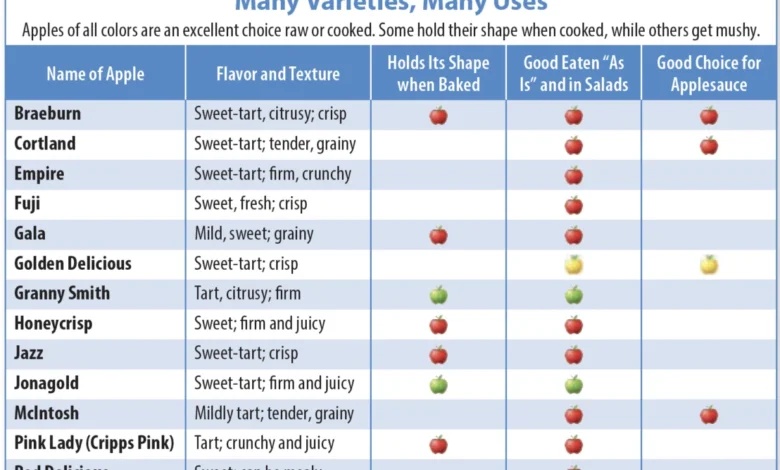
Home cooks frequently incorporate chopped apples into morning oatmeal, utilizing the fruit’s natural sugars to eliminate the need for refined sweeteners. In the realm of salads, thinly sliced tart apples provide a refreshing crunch that balances rich cheeses and nutty dressings. When exposed to heat, certain varieties soften into comforting cooked desserts, while others hold their shape remarkably well, making them ideal for baking.
Beyond desserts, roasting apple wedges alongside pork loin, roasted chicken, or winter root vegetables creates a naturally sweet, aromatic side dish that bridges the gap between savory dining and autumnal comfort food. Culinary experts advise experimenting with a blend of sweet and tart cultivars in cooking to achieve a more complex flavor profile.
Public Health Context and Dietary Guidelines
Despite the undeniable advantages of incorporating apples into a daily routine, public health officials caution against dietary monotony. Federal health agencies and nutritional epidemiologists point out that despite widespread availability, only about 10 percent of U.S. adults currently meet the government’s recommended daily intake for fruit consumption.
While eating an apple a day represents a convenient, highly effective first step toward bridging this nutritional gap, the greatest clinical benefits emerge from dietary diversity. Different fruits—ranging from berries and stone fruits to citrus and tropical varieties—offer distinct combinations of micronutrients, phytonutrients, and fibers. Relying exclusively on a single food item, even one as nutrient-dense as the apple, limits the body’s exposure to the broad spectrum of chemical compounds required for optimal long-term health.
Health campaigns now urge consumers to think beyond the traditional lunchbox snack. By integrating apples into diverse recipes—such as fiber-boosting salad toppings, oatmeal additions, or roasted vegetable medleys—individuals can easily elevate their daily nutrient intake. Ultimately, pairing the humble apple with a colorful array of other fruits ensures a robust, resilient dietary pattern capable of supporting lifelong wellness.