Why the Hospice and Palliative Medicine Community Is Leaving X for Bluesky

The digital landscape for healthcare professionals has undergone a significant paradigm shift, marked by a mass migration of clinicians, researchers, and advocates away from the platform formerly known as Twitter, now called X, and toward the decentralized social network Bluesky. For over a decade and a half, specialized medical communities utilized microblogging platforms to share research, collaborate on clinical guidelines, and foster peer support. However, mounting concerns regarding platform governance, content moderation, algorithm changes, and the proliferation of toxicity have prompted key medical thought leaders to abandon legacy networks in search of more collegial digital environments.
This migration has been particularly pronounced within the hospice and palliative care (HAPC) community. Dr. Christian Sinclair, a prominent palliative care physician at the University of Kansas Health System and editor-in-chief of the medical blog Pallimed, recently announced his departure from X—having deleted his personal account entirely—to champion Bluesky as the new digital town square for the specialty. Dr. Sinclair’s public pivot underscores a broader trend among healthcare professionals who are actively seeking out alternative text-based microblogging platforms that prioritize professional networking, safety, and community-driven engagement over commercialized or hyper-polarized algorithmic feeds.
A Decade of Digital Evolution in Palliative Care
The historical integration of social media within the medical community dates back to the late 2000s, a period when platforms like Twitter were hailed as revolutionary tools for medical education, interdisciplinary collaboration, and public health advocacy. In February 2009, Pallimed published seminal insights highlighting the utility of Twitter for hospice and palliative medicine practitioners. During this era, medical professionals utilized the platform to host synchronous journal clubs, deliberate over complex ethical cases, and establish global support networks. These digital spaces proved invaluable for a specialty that often deals with heavy emotional burdens, grief, and systemic healthcare challenges.
However, the operational and cultural ethos of these digital spaces deteriorated over time. Following changes in corporate leadership, modifications to content moderation policies, and alterations to platform algorithms across major social networks, users reported a sharp rise in toxic interactions, harassment, and commercial saturation. For clinicians already navigating high-stress environments within hospitals and hospices, digital fatigue turned into active alienation. The decision by influential medical figures to delete accounts that had been active for over 15 years signals a profound institutional loss of trust in legacy social media infrastructure.
The Emergence of Bluesky as a Viable Alternative
In response to the shifting digital climate, the HAPC community has increasingly gravitated toward Bluesky, an open-source, decentralized text-based microblogging platform. Initially operating via an invitation-only model that fostered controlled, organic growth, the platform experienced a massive surge in user acquisition and activity. This influx extended beyond palliative care, drawing in broader medical communities, scientific journals, academic societies, and public policy makers.
Industry observers note that Bluesky’s architecture offers several distinct advantages for professional discourse. The platform currently operates without third-party advertisements, reducing the commercial clutter that frequently plagues competitors like Meta’s Threads. Furthermore, Bluesky’s algorithmic customization tools allow users to curate their feeds and utilize advanced moderation filters to shield themselves from targeted harassment and misinformation. For medical professionals who require a safe space for nuanced clinical discussions, these built-in safety mechanisms are considered essential.
Comparative Analysis of Current Social Media Ecosystems

The broader landscape of digital communication offers multiple avenues for professional networking, yet each platform presents distinct structural limitations for the medical community. Meta’s Threads, while experiencing significant user sign-ups, has faced criticism from digital strategists for maintaining an unpredictable algorithm heavily dominated by corporate brands rather than organic professional communities. Meanwhile, visually oriented platforms such as Instagram and TikTok require high-production video or graphic content, rendering them less practical for rapid, text-based clinical discourse and asynchronous academic debate. Long-standing networks like Facebook, conversely, are frequently viewed by younger professionals as saturated and culturally stagnant.
In contrast, Bluesky replicates the spontaneous, community-driven culture that characterized early microblogging platforms during the 2010s. Medical educators, researchers, and clinicians report finding a renewed sense of collegiality, reminiscent of the early days of medical Twitter, where interdisciplinary networking could occur without the interference of pervasive advertising or divisive algorithmic amplification.
Onboarding Innovations: Starter Packs and Educational Guides
To facilitate the transition for clinicians accustomed to legacy platforms, early adopters within the HAPC community have developed specialized onboarding infrastructure. Recognizing that rebuilding a professional network from scratch can be an intimidating barrier to entry, community leaders have published comprehensive educational resources.
Dr. Sinclair developed a widely circulated reference document titled "How to Bluesky," designed to orient newcomers to the platform’s unique technical features, custom feeds, and privacy settings. Additionally, the platform’s innovative "starter packs" feature has revolutionized how niche academic and clinical communities organize themselves. These curated lists allow users to follow dozens of relevant accounts simultaneously with a single click.
Prominent examples include the "Hospice and Palliative Care People" starter pack curated by Dr. Sinclair, which encompasses over 120 verified professionals dedicated to end-of-life care, as well as a parallel directory compiled by Catherine Walshe, editor of the academic journal Palliative Medicine. These community-led initiatives have drastically lowered the friction of migration, ensuring that vital professional connections are preserved rather than lost in the transition away from X.
Revival of Synchronous Professional Engagement and Future Outlook
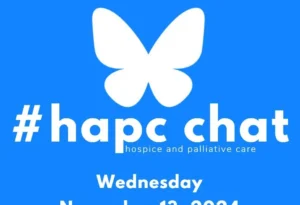
With the technical migration largely underway, key stakeholders are actively working to reactivate the structural traditions that made legacy platforms valuable to the medical field. Plans are currently underway to relaunch synchronous professional discussions, including the reinstitution of the traditional weekly HAPC/HPM chat (historically known as the #hpmchat or Tweetchat), scheduled to run on Wednesday evenings. These virtual gatherings serve as vital forums for discussing recent literature, sharing clinical pearls, and addressing professional burnout among palliative care practitioners.
Looking ahead, digital organizers are positioning Bluesky as the primary hub for upcoming major industry events, such as the American Academy of Hospice and Palliative Medicine (AAHPM) Annual Assembly, designated as #HAPC25, slated to take place in Denver. By consolidating event coordination, real-time conference reporting, and ongoing academic discourse on a single platform, the palliative care community hopes to establish a sustainable, resilient digital home.
The mass exodus from X and the subsequent rebuilding of professional networks on Bluesky reflect a broader maturation of digital health communication. As medical professionals demand safer, more reliable environments for collaboration, decentralized platforms offer a promising model for the future of academic and clinical networking. Whether this momentum will permanently alter the digital habits of the broader medical establishment remains to be seen, but for the hospice and palliative medicine community, the pivot to Bluesky marks the beginning of a collaborative new chapter.
Related posts: