IAPC Launches Infographic Series on Palliative Care at Home to Enhance National Awareness

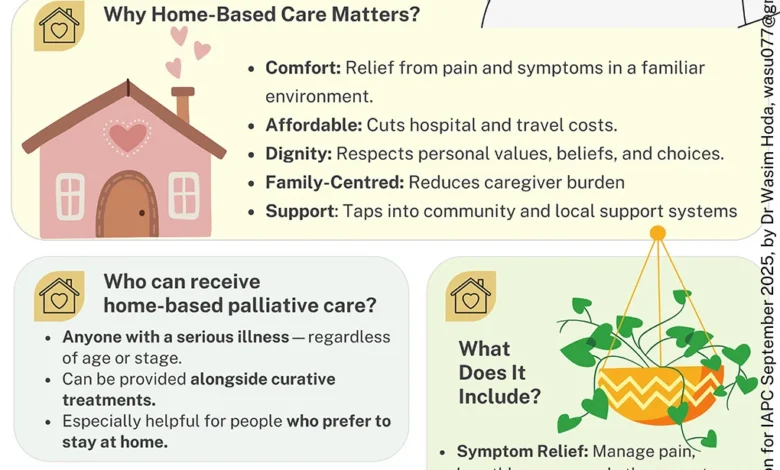
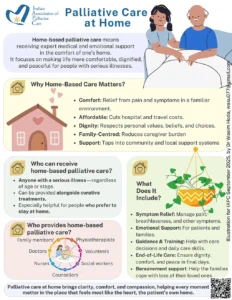
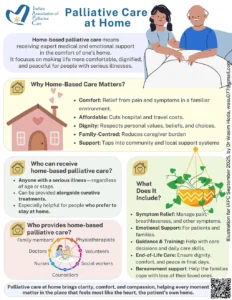
The Indian Association of Palliative Care (IAPC) has unveiled its latest initiative, the third installment in its "Care Continuum" infographic series, focusing specifically on "Palliative Care at Home." This timely release aims to bolster palliative care education and awareness across India, providing accessible information on a crucial aspect of patient care. The infographic, released in September 2025, builds upon previous installments and underscores the IAPC’s commitment to expanding the reach and understanding of palliative care services nationwide. This initiative is poised to equip healthcare professionals, patients, families, and the general public with essential knowledge to navigate and advocate for home-based palliative care.
Expanding the Palliative Care Landscape: A Strategic Infographic Initiative
The "Palliative Care at Home" infographic represents a significant step in the IAPC’s ongoing campaign to demystify and promote palliative care. Following the successful "Care Continuum" series launched in June 2025, this new visual resource delves into the specific nuances and benefits of receiving palliative care within the familiar and comforting environment of one’s own home. The IAPC’s strategic decision to focus on this area reflects a growing global trend and an increasing demand for patient-centered care models that prioritize comfort, dignity, and quality of life for individuals with life-limiting illnesses.
The infographic is designed to be a readily shareable tool, intended for dissemination across various platforms, including the IAPC’s social media channels and official website. This broad accessibility is a key component of the IAPC’s strategy to ensure that vital information reaches the widest possible audience. By leveraging digital mediums, the association aims to overcome geographical barriers and engage with diverse communities, fostering a greater understanding of what palliative care at home entails and how it can be accessed.
The Genesis of the "Care Continuum" Series
The "Care Continuum" series, of which "Palliative Care at Home" is the third part, was conceptualized to illustrate the comprehensive journey of palliative care. The initial infographics likely addressed foundational aspects of palliative care, such as its definition, scope, and the importance of early integration into a patient’s treatment plan. The subsequent focus on "Palliative Care at Home" suggests a progression in the series, moving towards more specific service delivery models and patient settings. This chronological approach allows for a layered understanding, building knowledge progressively and addressing different facets of palliative care in a structured manner. The first part of the series, released in June 2025, would have laid the groundwork, potentially defining the broader spectrum of palliative care. The second part, likely released in July or August, would have explored another critical area before culminating in this month’s detailed focus on home-based care.
Supporting Data and the Growing Need for Home-Based Palliative Care
The increasing emphasis on palliative care at home is supported by a growing body of evidence and evolving healthcare priorities. Globally, there is a recognized need to shift care models towards more patient-centric approaches, with a significant portion of individuals expressing a preference for dying at home.

- Prevalence of Life-Limiting Illnesses: India, like many nations, faces a growing burden of non-communicable diseases (NCDs) such as cancer, cardiovascular diseases, chronic respiratory conditions, and neurological disorders. Many of these are progressive and life-limiting, necessitating comprehensive palliative care. The World Health Organization (WHO) estimates that over 40 million people worldwide require palliative care annually, with a significant majority residing in low- and middle-income countries.
- Patient and Family Preference: Studies consistently indicate that a vast majority of patients prefer to spend their final days in the comfort of their own homes, surrounded by loved ones. Home-based palliative care fulfills this desire, offering a more personalized and less intrusive care experience compared to institutional settings.
- Cost-Effectiveness: While direct cost comparisons can be complex, home-based care can potentially be more cost-effective in the long run by reducing hospital admissions, prolonged stays in acute care facilities, and associated healthcare expenditures. This is particularly relevant for resource-constrained healthcare systems.
- Quality of Life: Research suggests that palliative care, especially when delivered at home, can significantly improve the quality of life for patients by effectively managing pain and other distressing symptoms, providing psychological and emotional support, and enabling patients to maintain a sense of control and dignity.
The IAPC’s infographic likely provides specific statistics relevant to the Indian context, potentially highlighting the number of individuals who could benefit from home-based palliative care and the current accessibility of such services across different regions of the country. This data would serve to underscore the urgency and importance of the IAPC’s awareness campaign.
Key Components of Palliative Care at Home
The infographic on "Palliative Care at Home" is expected to elucidate several critical aspects of this care model. These would typically include:
- Symptom Management: Detailed information on how pain, nausea, breathlessness, and other distressing symptoms are effectively managed in a home setting by trained palliative care professionals.
- Psychosocial and Spiritual Support: The importance of addressing the emotional, psychological, and spiritual needs of both the patient and their family members. This often involves counseling, support groups, and spiritual guidance tailored to individual beliefs.
- Caregiver Support and Training: A crucial element of home-based care is the active involvement of family caregivers. The infographic would likely highlight the role of palliative care teams in training and supporting these caregivers, equipping them with the skills and knowledge to provide comfort and care, while also preventing burnout.
- Team Approach: Emphasizing that palliative care at home is not a solo effort but a multidisciplinary undertaking involving doctors, nurses, social workers, counselors, volunteers, and sometimes even physiotherapists and occupational therapists.
- Advance Care Planning: Guidance on how to discuss and document future care wishes, ensuring that patient preferences are respected even if they are unable to communicate them directly.
- Integration with Existing Healthcare: How home-based palliative care teams work in conjunction with primary physicians and other healthcare providers to ensure seamless care coordination.
- Eligibility and Access: Information on who is eligible for palliative care at home and how families can access these services through various channels, including government programs, NGOs, and private providers.
Dr. Wasimul Hoda’s Contribution: A Testament to Collaboration
The IAPC’s acknowledgment of Dr. Wasimul Hoda’s "valuable support towards this initiative" highlights the collaborative spirit driving palliative care advocacy in India. Dr. Hoda, a Fellow in Pain Medicine at the All India Institute of Medical Sciences (AIIMS), New Delhi, brings a wealth of expertise in pain management, a critical component of palliative care. His involvement suggests that the infographic likely incorporates evidence-based practices and clinical insights, lending it significant credibility. Such collaborations between leading medical institutions and advocacy groups are vital for translating research and clinical knowledge into accessible public health information. This partnership reinforces the scientific foundation of the IAPC’s awareness efforts and signals a commitment to delivering high-quality palliative care standards.
Broader Impact and Future Implications
The IAPC’s continuous efforts to promote palliative care through educational resources like the "Palliative Care at Home" infographic carry significant implications for the Indian healthcare landscape.
- Increased Patient Access: By raising awareness, the initiative aims to bridge the gap between need and access. Many individuals and families may not be aware of palliative care options or may face stigma and misconceptions. Improved understanding can empower them to seek appropriate care earlier.
- Empowerment of Healthcare Professionals: The infographics serve as valuable tools for healthcare professionals, equipping them with the knowledge to better integrate palliative care principles into their practice, even if they are not specialist palliative care providers.
- Policy Advocacy: A more informed public and a growing demand for palliative care can create a stronger impetus for policy changes and increased investment in palliative care services at national and regional levels. This includes advocating for better integration of palliative care into the universal health coverage agenda.
- Reduced Burden on Acute Care: As more patients receive appropriate palliative care at home, there is a potential to reduce the strain on hospital beds and emergency services, allowing these resources to be better utilized for acute medical needs.
- Improved End-of-Life Care Standards: The sustained dissemination of accurate information contributes to raising the overall standards of end-of-life care in India, ensuring that more individuals experience a dignified and comfortable passage.
The IAPC’s commitment to this ongoing infographic series demonstrates a long-term vision for transforming palliative care in India. By consistently providing accessible, informative, and evidence-based resources, the association is laying the groundwork for a future where comprehensive palliative care, including robust home-based services, is a reality for all who need it. The availability of these resources on their website and social media platforms ensures that this vital information is not confined to academic circles but reaches the very people who can benefit from it most.
Related posts: