From Twitter to Bluesky: The Hospice and Palliative Care Community Finds a New Digital Home Amid Platform Shifts

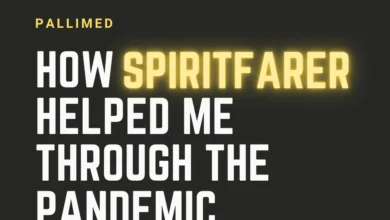
The digital landscape for healthcare professionals has undergone a seismic shift, prompting major community migrations away from legacy platforms. Dr. Christian Sinclair, editor-in-chief of the prominent palliative care blog Pallimed and a palliative care physician at the University of Kansas Health System, has officially announced his departure from Twitter—now known as X—citing a toxic online environment and deteriorating user experience. In doing so, Dr. Sinclair has joined a growing chorus of medical practitioners, researchers, and scientific journals abandoning the platform in favor of Bluesky, a decentralized text-based microblogging alternative.
This migration highlights a broader trend across the medical and scientific communities, where professionals are increasingly seeking out moderated, ad-free, and collegial digital spaces to exchange critical research, collaborate on clinical guidelines, and combat professional isolation.
The Evolution of Medical Microblogging: A Chronological Overview
The integration of social media into the daily practices of hospice and palliative care (HAPC) professionals is not a recent phenomenon. Its roots stretch back over a decade and a half, marking a continuous evolution in how medical communities communicate globally.
In February 2009, Pallimed first championed the utility of microblogging for healthcare providers, introducing early adopters to Twitter as a revolutionary tool for professional networking, rapid dissemination of clinical pearls, and real-time commentary on medical conferences. Throughout the 2010s, Twitter served as the de facto town square for the HAPC community. Initiatives like the weekly #hpm (Hospice and Palliative Medicine) and #hapc chats fostered an unprecedented global exchange of ideas among physicians, nurses, social workers, chaplains, and researchers.
However, the operational and cultural ethos of Twitter began to shift dramatically following changes in corporate ownership and governance in late 2022. The platform experienced a rise in hate speech, algorithmic prioritization of controversy, and the proliferation of commercial noise and automated accounts. For many clinical educators and researchers, the platform transitioned from a collaborative educational forum into a hostile and unpredictable environment.
Recognizing these compounding issues, Dr. Sinclair took the definitive step of deleting his personal Twitter account. His migration to Bluesky, facilitated by an early invitation from colleague Dr. Holly Yang 18 months prior, mirrors a larger industry exodus. While the growth of the HAPC contingent on Bluesky was initially gradual, a massive influx of users in late 2024—sparked by widespread dissatisfaction with alternative networks—transformed the platform into a vibrant, high-volume hub for academic and clinical discourse.
Why Healthcare Professionals Are Choosing Bluesky
The rapid adoption of Bluesky by medical societies, journals, and individual clinicians is driven by specific structural and functional advantages tailored to professional communication. Unlike competing networks, Bluesky offers robust, user-controlled moderation tools designed to shield users from targeted harassment, hate speech, and automated bot bombardments—critical safeguards for healthcare professionals who frequently discuss contentious public health topics, end-of-life care, and medical ethics.
Furthermore, Bluesky currently operates entirely ad-free, distinguishing it from platforms like Meta’s Threads, which users and analysts note is heavily dominated by corporate brand marketing and constrained by opaque, engagement-driven algorithms. Other digital ecosystems have similarly failed to capture the specific communal synergy required by academic medicine. Traditional social media giants like Facebook are viewed as overly saturated or aging out of active professional utility, while visually intensive networks such as TikTok and Instagram demand multimedia production resources that busy clinicians simply do not possess.

As a result, Bluesky has replicated the collegial, text-forward atmosphere reminiscent of Twitter’s early-decade golden age. The platform now hosts a dense network of newsmakers, medical journalists, peer-reviewed journals, and specialized medical societies engaging in unencumbered peer-to-peer dialogue.
Navigating the Transition: Starter Packs and Educational Guides
To ease the migration for clinicians unfamiliar with decentralized social networks, early adopters have developed comprehensive onboarding resources. Dr. Sinclair published an accessible introductory guide titled "How to Bluesky," designed to help medical professionals set up their accounts, understand decentralized architecture, and navigate privacy settings.
Additionally, the platform’s innovative "starter packs" feature has accelerated community rebuilding. These curated directories allow established leaders to bundle relevant accounts into easily followable lists. Dr. Sinclair released a curated "Hospice and Palliative Care People" starter pack featuring approximately 120 verified professionals dedicated to the specialty. Concurrently, Catherine Walshe, editor of the academic journal Palliative Medicine, developed a complementary HAPC starter pack. Because these directories are independently curated, they offer diverse entry points for newcomers looking to reconnect with multidisciplinary colleagues across medicine, nursing, and psychosocial care.
Reviving Traditions: The Return of the Weekly #HAPC Chat
To solidify this newly formed digital community, foundational traditions from the early days of medical social media are being systematically revived. Dr. Sinclair has announced the formal relaunch of the weekly #hapc chat (historically recognized as the #hpm chat or Tweetchat). Scheduled to run on Wednesday evenings at 6:00 PM Pacific / 9:00 PM Eastern time starting this week, these moderated discussions provide a structured environment for clinicians to debate complex clinical cases, discuss systemic healthcare challenges, and review recent literature.
Beyond weekly discussions, Bluesky is slated to serve as the primary digital coordination ground for major upcoming academic milestones, most notably the American Academy of Hospice and Palliative Medicine (AAHPM) Annual Assembly, designated as #HAPC25, scheduled to take place in Denver next year. The platform will enable attendees to coordinate research presentations, organize networking meetups, and share real-time conference takeaways.
Broader Industry Implications and the Future of Digital Scholarly Communication
The mass migration of medical professionals from legacy networks to decentralized platforms carries significant implications for digital scholarship, science communication, and medical education. For over fifteen years, social media has functioned as an informal peer-review adjunct, accelerating the dissemination of clinical trials, guideline updates, and humanitarian advocacy within medicine.
When platforms experience systemic degradation or toxic polarization, the risk is not merely social; it threatens the velocity and integrity of medical knowledge translation. The successful pivot to Bluesky demonstrates that specialized professional communities possess the agency to reestablish their digital infrastructure independently of corporate whims.
For Pallimed, which has documented the intersection of digital media and palliative care since 2009, this transition marks both an end of an era and a necessary evolution. While the publication has navigated periods of dormancy and contemplated closure amidst shifting online tides, the resurgence of an engaged, collegial community on Bluesky breathes new life into digital advocacy for the specialty. As healthcare providers continue to face unprecedented burnout and systemic pressures, the creation of safe, collaborative, and ad-free digital harbors remains essential to sustaining the global palliative care workforce.