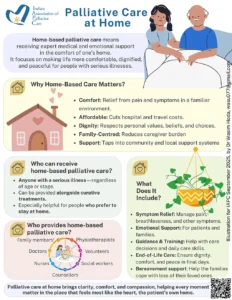
IAPC releases third infographic in the Care Continuum series focusing on Palliative Care at Home

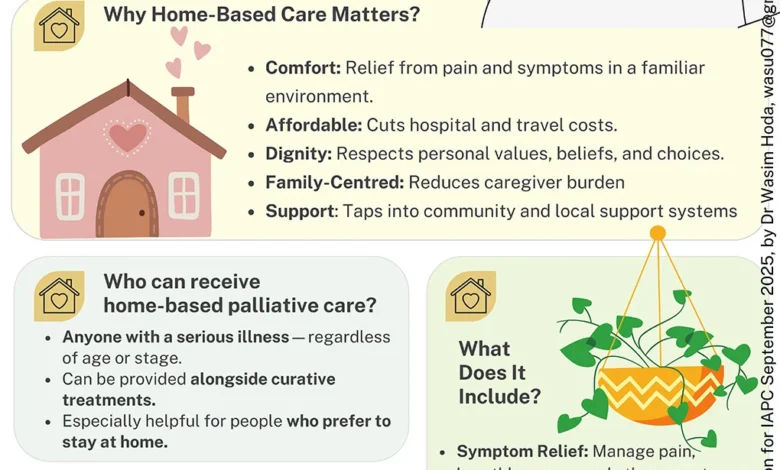
The Indian Association of Palliative Care (IAPC) has officially released the third installment of its comprehensive infographic series, centered on the critical theme of Palliative Care at Home. This latest educational resource, launched in September 2025, builds upon the foundation laid by the "Care Continuum" series that debuted in June 2025. By distilling complex clinical and social workflows into accessible visual formats, the IAPC aims to bridge the gap between specialized medical knowledge and the practical needs of patients, caregivers, and primary healthcare providers. The initiative underscores the organization’s ongoing commitment to professional education and public awareness, specifically targeting the shift toward home-based care models that define modern, patient-centered medicine.
Chronology of the Care Continuum Series
The "Care Continuum" infographic project was conceived as a multi-stage educational effort to map the journey of a palliative care patient across different healthcare settings. The first part of the series, launched in June 2025, established the framework for the continuum, illustrating how patients transition from acute hospital care to community-based support. The second phase focused on outpatient clinics and hospice integration, providing practitioners with a standardized reference for referral pathways.
The release of the third part, "Palliative Care at Home," marks a significant milestone in this series. By focusing on the domestic setting, the IAPC is addressing the most frequent location of care for patients with chronic, life-limiting illnesses. The timeline of this project reflects a structured approach to medical advocacy, where each month or quarter introduces a new layer of complexity, moving from institutional settings to the home, which is increasingly recognized as the preferred environment for end-of-life comfort and symptom management.
The Significance of Home-Based Palliative Care
Home-based palliative care is a specialized form of medical intervention that prioritizes the patient’s quality of life within the comfort of their own environment. Unlike acute hospital care, which focuses on curative or life-prolonging interventions, palliative care at home emphasizes symptom control, psychological support, and the integration of the family unit into the caregiving process.
Data from global health organizations suggest that the demand for home-based care is rising exponentially. As global populations age and the prevalence of non-communicable diseases—such as cancer, cardiovascular disease, and chronic respiratory conditions—increases, the burden on hospital infrastructure has become unsustainable. Home-based palliative care offers a viable solution by reducing hospital readmissions and minimizing the psychological distress associated with clinical settings. The IAPC’s infographic highlights the essential components of this model: pain management, coordination between local health workers and specialized physicians, and the education of family caregivers.
Supporting Data and Demographic Shifts
The urgency of this initiative is supported by current epidemiological trends. According to recent public health assessments, the number of individuals requiring palliative care globally is expected to double by 2060. In India, the landscape of palliative care is uniquely challenging due to the country’s vast geography and the concentration of specialized expertise in urban tertiary care centers.
Statistical analysis of palliative care utilization indicates that patients who receive home-based care report higher levels of satisfaction compared to those in institutional settings. Studies show that patients receiving home-based support exhibit lower levels of anxiety and depression and are more likely to achieve their stated goals of care, such as staying at home during their final months. Furthermore, from an economic perspective, home-based models significantly lower the direct costs associated with hospital stays, including room charges, nursing care, and emergency department visits. By providing clear visual guidance on how to organize this care, the IAPC is effectively empowering families to navigate a complex system that often feels inaccessible.
Expert Collaboration and Technical Contributions
The production of the September 2025 infographic involved collaboration with prominent figures in the medical community. Dr. Wasimul Hoda, a Fellow in Pain Medicine at the Department of Anaesthesia, Critical Care and Pain Medicine at the All India Institute of Medical Sciences (AIIMS), New Delhi, provided the clinical expertise necessary to ensure the infographic’s accuracy.

The inclusion of an AIIMS-affiliated specialist highlights the IAPC’s commitment to evidence-based practice. Medical educators argue that such resources are vital for frontline workers who may not have immediate access to fellowship-trained specialists. By synthesizing high-level academic knowledge into a digestible format, the initiative ensures that best practices in pain management and symptom control are disseminated to rural clinics and community health centers, thereby democratizing access to quality care.
Implications for Healthcare Policy and Practice
The release of this resource has several implications for the future of healthcare delivery in India. First, it signals a shift in the perceived role of the caregiver. By providing a structured infographic, the IAPC is acknowledging that family members are often the primary providers of care, and they require clear, concise guidance to perform tasks that were previously reserved for trained nurses.
Second, the initiative serves as a catalyst for policy discourse. The IAPC’s efforts to standardize the "Care Continuum" support the broader national objective of integrating palliative care into the primary healthcare system. Currently, many healthcare providers view palliative care as an optional "add-on" rather than a fundamental right. Through consistent public education, the IAPC is working to shift this perception, framing home-based care as an essential pillar of universal health coverage.
Third, the accessibility of these resources—available on the IAPC website and social media platforms—ensures that the information is not siloed within academic journals or medical textbooks. This digital-first approach is critical in the modern era, where information literacy among patients and their families is growing. By leveraging social media, the IAPC is meeting the public where they are, providing them with the tools to demand better standards of care in their own homes.
Analysis of the Care Model
The "Palliative Care at Home" infographic serves as a diagnostic and therapeutic roadmap. It outlines the necessary assessments for pain, the importance of interdisciplinary communication, and the ethical considerations involved in home-based interventions. The model promoted by the IAPC is one of "shared care," where the primary physician, a palliative specialist, and the family caregiver operate as a singular unit.
This model addresses the common "silo effect," where different aspects of a patient’s health—such as physical pain, emotional well-being, and spiritual needs—are treated by separate entities without adequate coordination. By placing the home at the center of the continuum, the IAPC encourages a holistic view of the patient’s condition. This approach is particularly effective in addressing the "total pain" concept, which encompasses not only physical symptoms but also the social, financial, and existential burdens of terminal illness.
Moving Forward: Future Initiatives
The IAPC has signaled that the "Care Continuum" series will continue to evolve, with further segments expected in the coming months. This incremental approach allows the organization to respond to feedback from the medical community and the public, ensuring that each subsequent release addresses the specific challenges identified by practitioners in the field.
The success of the September 2025 infographic will be measured by its adoption rate among health networks and its utility in the daily practice of community physicians. As the IAPC continues to distribute these materials through its digital channels, the organization is creating a permanent, searchable repository of knowledge that will serve as a standard reference for years to come.
In conclusion, the launch of the "Palliative Care at Home" infographic is a vital step toward enhancing the quality of end-of-life and chronic care in India. By combining the academic rigor of institutions like AIIMS with the accessibility of modern digital communication, the IAPC is not merely providing a document; it is facilitating a systemic change in how society views and manages the complexities of chronic illness. As the series continues, the impact of these visual aids will likely manifest in better-informed caregivers, more effective symptom management, and a more compassionate approach to the end-of-life journey across the nation. Stakeholders, healthcare workers, and the general public are encouraged to utilize these resources, which remain freely available through the official IAPC portal.