The Profound Impact of Palliative Care on Cancer Patients and Their Families


The journey of a cancer patient is often a complex tapestry woven with threads of hope for a cure and the profound need for a dignified end of life. This duality was acutely illuminated during the personal struggle of the author’s uncle, who battled prostate cancer. His experience underscored the critical importance of palliative care services, services that address the multifaceted challenges—physical, emotional, and financial—that individuals face when confronting this formidable disease. The provision of comfort and relief at any of these levels represents an act of profound service to humanity, offering solace in the face of immense suffering.
A Personal Account of Dignified Care
The author’s uncle, a brave fighter, underwent extensive treatment for his prostate cancer at the Shaukat Khanum Hospital in Lahore. His regimen included chemotherapy and radiotherapy, standard interventions aimed at combating the disease. However, the cancer proved to be aggressively invasive, leading to a rapid and significant deterioration of his health. Within a short span, his physical appearance changed dramatically, yet his spirit remained resolute until his final moments.
During this challenging period, his care plan integrated palliative services. This involved a dedicated team of specially trained nurses and the crucial consultation of a palliative medicine doctor. Their collective objective was to meticulously manage his symptoms and alleviate his suffering. The focus of this care transcended mere medical intervention; it aimed to treat him as a human being first, prioritizing the preservation of his dignity.
A particularly poignant memory shared by the author highlights the essence of this personalized care. Even when the uncle was unresponsive, a nurse continued to speak to him, gently informing him of her actions as she prepared to clean his face, eyes, and mouth. In a situation fraught with the profound grief of losing a loved one and the accompanying hopelessness, it was this compassionate, individualized attention that provided a singular source of comfort. The hospital’s commitment ensured that while cancer ultimately claimed his life, it did not strip him of his dignity. His last breath was taken in an atmosphere of peace, a testament to the profound impact of well-delivered palliative care.
The Scarcity of Palliative Care Specialists in Pakistan
The author’s personal narrative serves as a stark reminder of a critical healthcare disparity in Pakistan: the severe shortage of palliative medicine consultants. The country possesses only a handful of these highly specialized physicians, a figure that stands in stark contrast to the growing need for such services. Given the immense significance of palliative care for individuals enduring severe illness and suffering, the author issues a heartfelt appeal to young doctors in Pakistan. The call is for them to consider palliative medicine as a noble and impactful path for serving humanity, recognizing its capacity to alleviate pain and enhance the quality of life for those most in need.
Understanding Palliative Care: A Deeper Dive
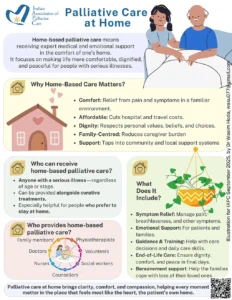
Palliative care is a specialized area of medicine focused on providing relief from the symptoms and stress of a serious illness. The main goal is to improve quality of life for both the patient and the family. It is not limited to end-of-life care, but can be provided at any stage of a serious illness, alongside curative treatments. This holistic approach encompasses a wide range of interventions:
- Pain Management: Utilizing advanced pharmacological and non-pharmacological techniques to control pain effectively.
- Symptom Control: Addressing other distressing symptoms such as nausea, vomiting, breathlessness, fatigue, anxiety, and depression.
- Psychosocial Support: Providing emotional and psychological support to patients and their families, helping them cope with the challenges of illness.
- Spiritual Care: Addressing spiritual needs and concerns, offering comfort and meaning during difficult times.
- Communication and Decision-Making: Facilitating open communication between patients, families, and healthcare teams, and assisting with complex medical decisions.
- Coordination of Care: Ensuring seamless coordination among various healthcare providers and services to provide comprehensive support.
The Global Context of Palliative Care
The World Health Organization (WHO) defines palliative care as an approach that improves the quality of life of patients and their families facing problems associated with life-threatening illness through the prevention and relief of suffering by means of early identification and impeccable assessment and treatment of pain and other problems, physical, psychosocial and spiritual.
Globally, the demand for palliative care is escalating due to several factors:
- Aging Populations: As populations age, the incidence of chronic and life-limiting diseases increases.
- Advancements in Medical Technology: While prolonging life, these advancements can also lead to longer periods of illness and a greater need for symptom management.
- Increased Awareness: Growing recognition of the importance of quality of life and dignified end-of-life care.
Despite this growing need, access to palliative care remains uneven across the globe. Low- and middle-income countries often face significant challenges, including a lack of trained professionals, insufficient infrastructure, and limited financial resources.
Palliative Care in Pakistan: Statistics and Challenges
While specific, up-to-date national statistics on the availability and utilization of palliative care services in Pakistan are scarce, the author’s assertion of a "handful of palliative medicine consultants" points to a critical deficit. Several factors contribute to this situation:
- Limited Training Programs: The availability of formal training and fellowship programs in palliative medicine for doctors and nurses is restricted.
- Low Awareness: Both the public and many healthcare professionals may have a limited understanding of what palliative care entails, often mistakenly equating it solely with end-of-life care or hospice.
- Funding Constraints: Healthcare systems in Pakistan often grapple with resource limitations, making it challenging to invest in specialized services like palliative care.
- Stigma: In some cultural contexts, discussing end-of-life issues or accepting palliative care can be associated with giving up hope, which can be a barrier to access.
The Shaukat Khanum Hospital, as highlighted in the article, appears to be an institution making dedicated efforts to integrate palliative care into its services. This suggests that while the national landscape is challenging, there are pockets of excellence and commitment.
The Broader Implications for Healthcare Systems
The scarcity of palliative care specialists has far-reaching implications for the healthcare system and for patients and their families:
- Increased Burden on Families: Without adequate professional support, the burden of care often falls disproportionately on family members, leading to physical and emotional exhaustion, financial strain, and social isolation.
- Suboptimal Symptom Management: Patients may experience unnecessary suffering due to poorly managed pain and other distressing symptoms, impacting their quality of life and their ability to engage with their families and loved ones.
- Ethical Dilemmas: In the absence of clear palliative care guidance, healthcare providers may face difficult ethical decisions regarding aggressive treatments that may not align with a patient’s best interests or wishes.
- Missed Opportunities for Dignity: Without a focus on dignity and comfort, the end-of-life experience for patients and their families can be marked by distress and regret.
A Call to Action and the Future of Palliative Care in Pakistan
The author’s appeal to young doctors is not merely a suggestion; it is a critical call to action. Investing in palliative medicine is an investment in compassionate, humane healthcare. For young physicians, choosing this specialty offers a unique opportunity to:
- Make a Tangible Difference: Directly impact the lives of patients and their families during their most vulnerable moments.
- Develop Advanced Clinical Skills: Master complex symptom management and communication techniques.
- Champion a Growing Field: Help shape the future of palliative care in Pakistan, contributing to its wider acceptance and integration into the healthcare system.
- Serve a Deep Human Need: Address a fundamental human need for comfort, dignity, and peace.
The integration of palliative care into mainstream healthcare is essential for any nation striving to provide comprehensive and equitable medical services. This involves:
- Policy Development: Governments and health ministries need to prioritize palliative care in national health policies and strategies.
- Education and Training: Expanding training programs for doctors, nurses, and allied health professionals in palliative care is crucial.
- Awareness Campaigns: Public awareness campaigns can help demystify palliative care and encourage early access.
- Resource Allocation: Adequate funding needs to be allocated to develop and sustain palliative care services, including the establishment of dedicated units and home-based care programs.
The experience described in the article, while deeply personal, resonates with the struggles of countless individuals and families. It underscores that in the fight against serious illness, the focus must extend beyond the eradication of disease to encompass the preservation of dignity, the alleviation of suffering, and the provision of comfort. The author’s uncle’s story is a powerful testament to the transformative power of palliative care, a service that offers a beacon of hope and humanity at the most challenging junctures of life. The urgent need for more palliative care specialists in Pakistan is evident, and the author’s plea to the next generation of medical professionals is a vital step towards addressing this critical gap.
Related posts: