Understanding the Impact of the One Big Beautiful Bill Act on Federal Safety Net Programs

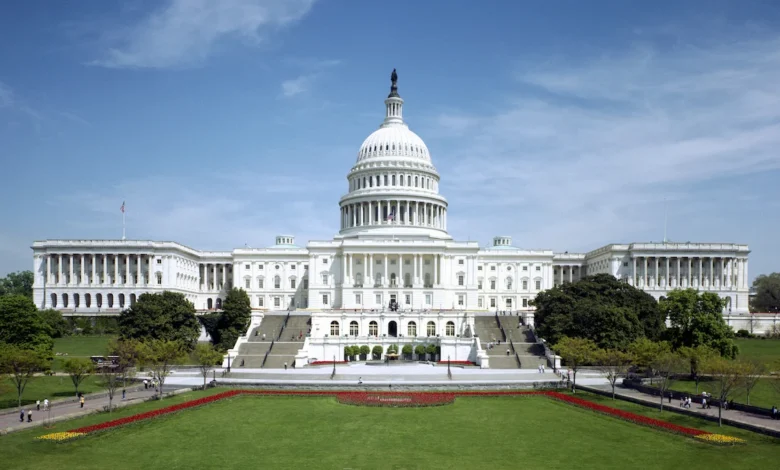
In July 2025, the United States Congress enacted H.R. 1, officially titled the One Big Beautiful Bill Act (OBBBA). This sweeping legislative package introduces significant structural and eligibility modifications to some of the nation’s most critical social safety net programs, including Medicaid, the Supplemental Nutrition Assistance Program (SNAP), the Affordable Care Act (ACA), and Supplemental Security Income (SSI). The legislation represents a fundamental shift in how the federal government manages, funds, and administers support for vulnerable populations, with particular emphasis on disability services and immigrant access to public benefits. As the provisions begin their phased implementation starting in January 2026, the disability community, state administrators, and policy advocates are preparing for a landscape of tightened eligibility criteria and increased administrative oversight.
Legislative Background and Context
The OBBBA was passed following intense debate in the 119th Congress regarding the fiscal sustainability of federal entitlement programs. Proponents of the act argued that the modifications were necessary to ensure the long-term solvency of Medicaid and SNAP, citing rising administrative costs and the need for stricter verification processes. Conversely, disability rights advocates and public health experts have expressed concern that the new mandates may create unintended barriers to care for millions of Americans who rely on these programs for survival.
The act serves as a comprehensive overhaul, affecting not just individual eligibility but also the financial obligations placed on states. By shifting the burden of administrative costs and introducing more frequent redetermination cycles, the federal government is effectively decentralizing the oversight of these programs. This strategy is intended to reduce federal spending, yet policy analysts warn that it may lead to a fragmented system where access to benefits varies significantly depending on a beneficiary’s state of residence.
Chronology of Implementation
The rollout of the OBBBA is staggered over a two-year period, beginning in 2026 and extending into early 2027. This timeline is intended to provide state agencies time to adjust their technological infrastructure and staffing to accommodate the new federal requirements.
2026 Phase: Initial Implementation
- January 1, 2026: Implementation of more frequent Medicaid redetermination cycles and adjustments to ACA Marketplace tax credit eligibility for low-income immigrants. Additionally, the recapture of excess premium tax credits under the ACA takes effect.
- July 4, 2026: Notification protocols regarding Medicare ineligibility for certain lawfully present immigrants are initiated.
- October 1, 2026: New restrictions on immigrant eligibility for Medicaid and the Children’s Health Insurance Program (CHIP) go into effect. On this same date, the Federal Medical Assistance Percentage (FMAP) for Emergency Medicaid is adjusted, and states will begin absorbing a larger share of SNAP administrative costs.
2027 Phase: Operational Changes
- January 1, 2027: The Interim Final Rule regarding Medicaid work reporting requirements becomes enforceable, marking the final major shift in the current legislative framework.
Analysis of Key Programmatic Changes
Medicaid and CHIP Oversight
One of the most consequential aspects of the OBBBA is the mandate for more frequent Medicaid redeterminations. Historically, states have been required to review eligibility on an annual basis; however, the new legislation permits, and in some cases encourages, a higher frequency of reviews. For the disability community, this poses a significant risk. Frequent documentation requests can lead to "procedural denials," where beneficiaries lose coverage not because they are ineligible, but because they failed to respond to a notice or provide updated paperwork in a timely manner.
The restrictions on immigrant eligibility for Medicaid and CHIP also represent a significant departure from previous policies. By tightening the criteria for "lawfully present" individuals, the legislation effectively narrows the pool of those eligible for federally subsidized healthcare. Coupled with the adjustments to the FMAP for Emergency Medicaid, state budgets are expected to face substantial pressure as they attempt to cover the gaps left by reduced federal participation.
The Affordable Care Act and Tax Credit Recapture
The OBBBA introduces a more rigorous approach to the ACA Marketplace. The changes to tax credit eligibility for low-income immigrants who do not qualify for Medicaid aim to align the ACA more closely with the broader immigration restrictions found elsewhere in the bill. Furthermore, the new rules concerning the "recapture of excess premium tax credits" mean that taxpayers who experience fluctuations in income throughout the year may face larger-than-expected tax liabilities at the end of the filing season. This adds a layer of financial instability for families living on the margins.
SNAP Administrative Costs
The shift in SNAP administrative funding is a major concern for state governments. By increasing the state’s share of administrative costs, the federal government is placing the burden of program integrity and outreach on local entities. Historically, the federal government has subsidized a large portion of these costs to ensure that food assistance reaches all eligible participants. Analysts predict that states with limited revenue may be forced to streamline operations, potentially reducing the number of local assistance offices or limiting the hours available for in-person support.
Official Responses and Advocacy Perspectives
The passage of the OBBBA has elicited a broad spectrum of reactions. Policymakers who supported the bill emphasize the importance of "program integrity," arguing that the reforms will reduce fraud and waste in the system. They suggest that the transition to more frequent data matching and reporting will ensure that funds are directed only to those who strictly meet the updated eligibility criteria.
In contrast, disability advocacy groups, including those represented by organizations such as Disability Belongs, have issued warnings regarding the potential for massive coverage losses. In their policy brief, these organizations highlight that the administrative complexity introduced by the OBBBA disproportionately impacts individuals with cognitive or physical disabilities who may struggle to navigate more frequent verification requirements. These advocates are actively lobbying for "Policy Asks," which include provisions for accessible communication and automatic enrollment extensions for vulnerable populations.
Healthcare providers have also voiced apprehension. Hospitals and clinics, particularly those that serve a high volume of Medicaid patients, fear that an increase in the number of uninsured individuals—resulting from stricter eligibility and redetermination hurdles—will lead to a rise in uncompensated care costs. This, in turn, could destabilize the financial health of rural and safety-net health systems.
Broader Implications and Future Outlook
The OBBBA is more than just a set of budget adjustments; it is a fundamental shift in the social contract. By prioritizing fiscal austerity and program restriction, the legislation challenges the concept of universal access to safety-net programs. The long-term implications of these changes will not be fully realized until after the January 2027 implementation of the Medicaid work reporting requirements, but early indicators suggest that state governments will need to invest heavily in modernizing their administrative systems to comply.
For individuals relying on these services, the period between now and 2027 will be one of transition and uncertainty. The success or failure of the OBBBA will ultimately be measured by its impact on poverty rates, health outcomes, and the ability of the most vulnerable citizens to maintain stability. As states begin to draft the regulations necessary to implement these federal mandates, the role of public feedback and legislative oversight will be critical.
Stakeholders interested in the ongoing evolution of these programs are encouraged to consult the latest policy briefs and issue papers provided by non-partisan watchdog groups. With the implementation schedule firmly set, the focus of the disability community and human services agencies has now shifted to mitigating the potential harm of these changes and ensuring that those who remain eligible do not fall through the cracks of an increasingly complex and restrictive administrative system. The 119th Congress has set a new trajectory for federal welfare, and the effects of the One Big Beautiful Bill Act will be felt across the socioeconomic spectrum for years to come.
Related posts: