Navigating the Complex Landscape of Medicaid Section 1115 Demonstration Waivers: Policy Shifts, State Responses, and Future Implications

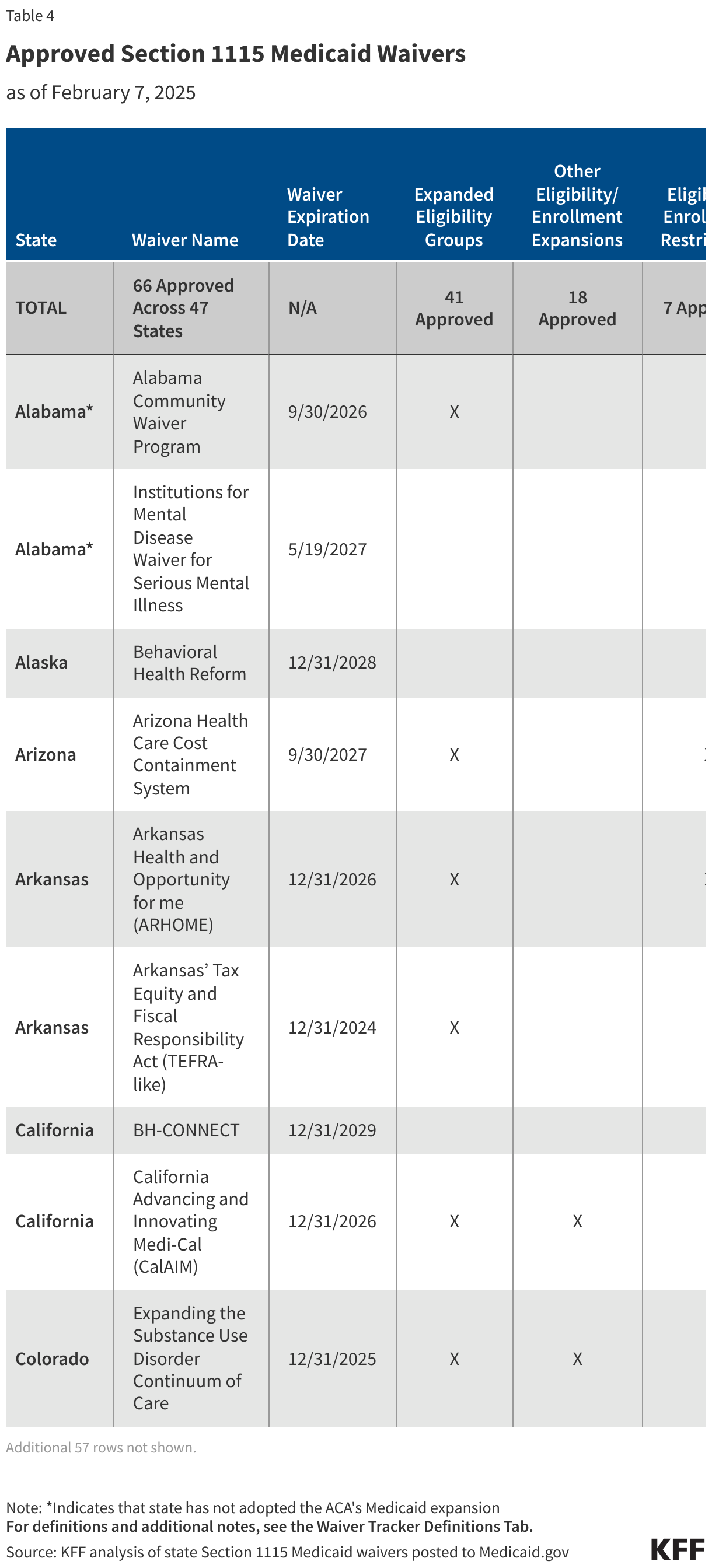
Medicaid Section 1115 demonstration waivers continue to serve as a pivotal instrument for states seeking to innovate, restructure, or trial new approaches within their healthcare safety-net programs. Operating as exceptions to standard federal statutory requirements, these waivers permit state health authorities to implement experimental policies—ranging from broad delivery system reforms and eligibility adjustments to initiatives tackling social determinants of health—provided the U.S. Department of Health and Human Services (HHS) Secretary determines the approach promotes the overarching objectives of the Medicaid program.
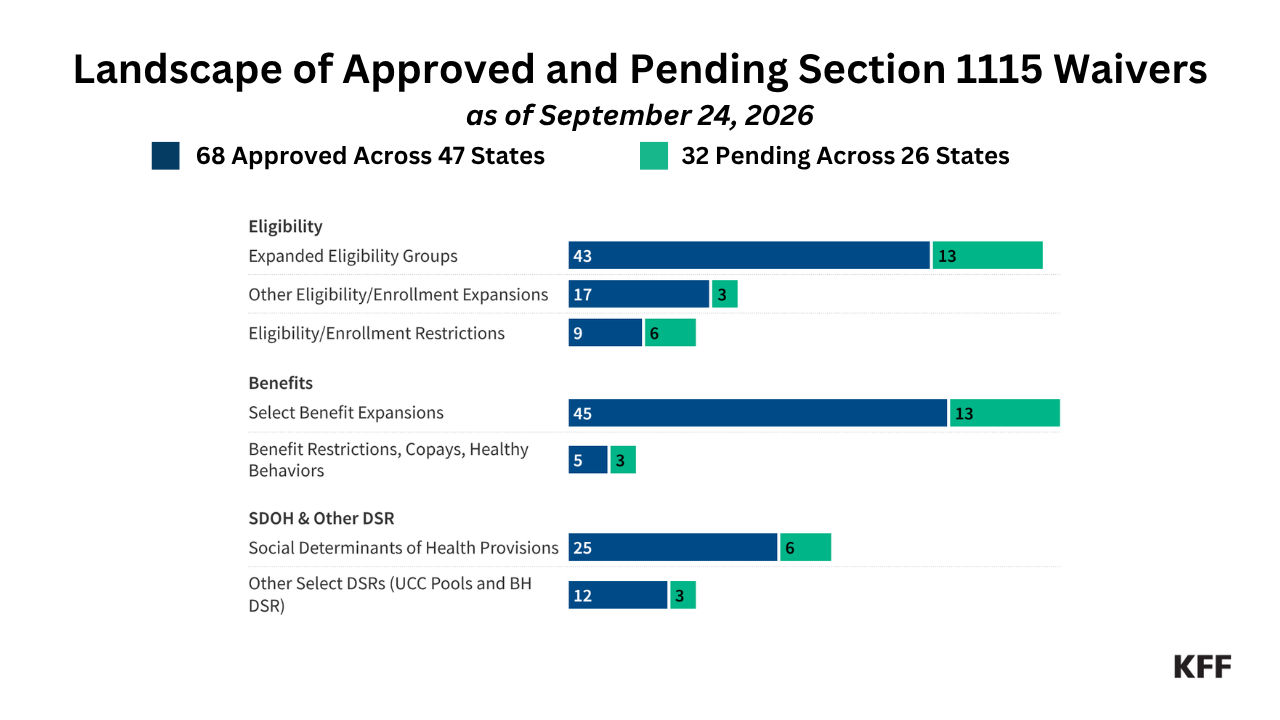
With nearly every state maintaining at least one active Section 1115 waiver, these regulatory flexibilities reflect a unique intersection of state-level health priorities and the shifting ideological landscapes of successive presidential administrations. Recent policy shifts, particularly the transition between the Biden and second Trump administrations, have introduced a dynamic environment characterized by rapid regulatory rescissions, new statutory work mandates, and evolving state compliance strategies.
The Mechanics and Evolution of Section 1115 Waivers
Under federal law, Section 1115 of the Social Security Act grants the HHS Secretary broad authority to approve pilot projects, experiments, or demonstration projects that test hypotheses designed to improve the efficiency, quality, and reach of Medicaid. Unlike standard State Plan Amendments (SPAs)—which modify a state’s baseline Medicaid program within pre-established federal parameters—1115 waivers allow for deviations from core federal requirements, opening the door to tailored interventions that address specific vulnerable populations or geographic challenges.
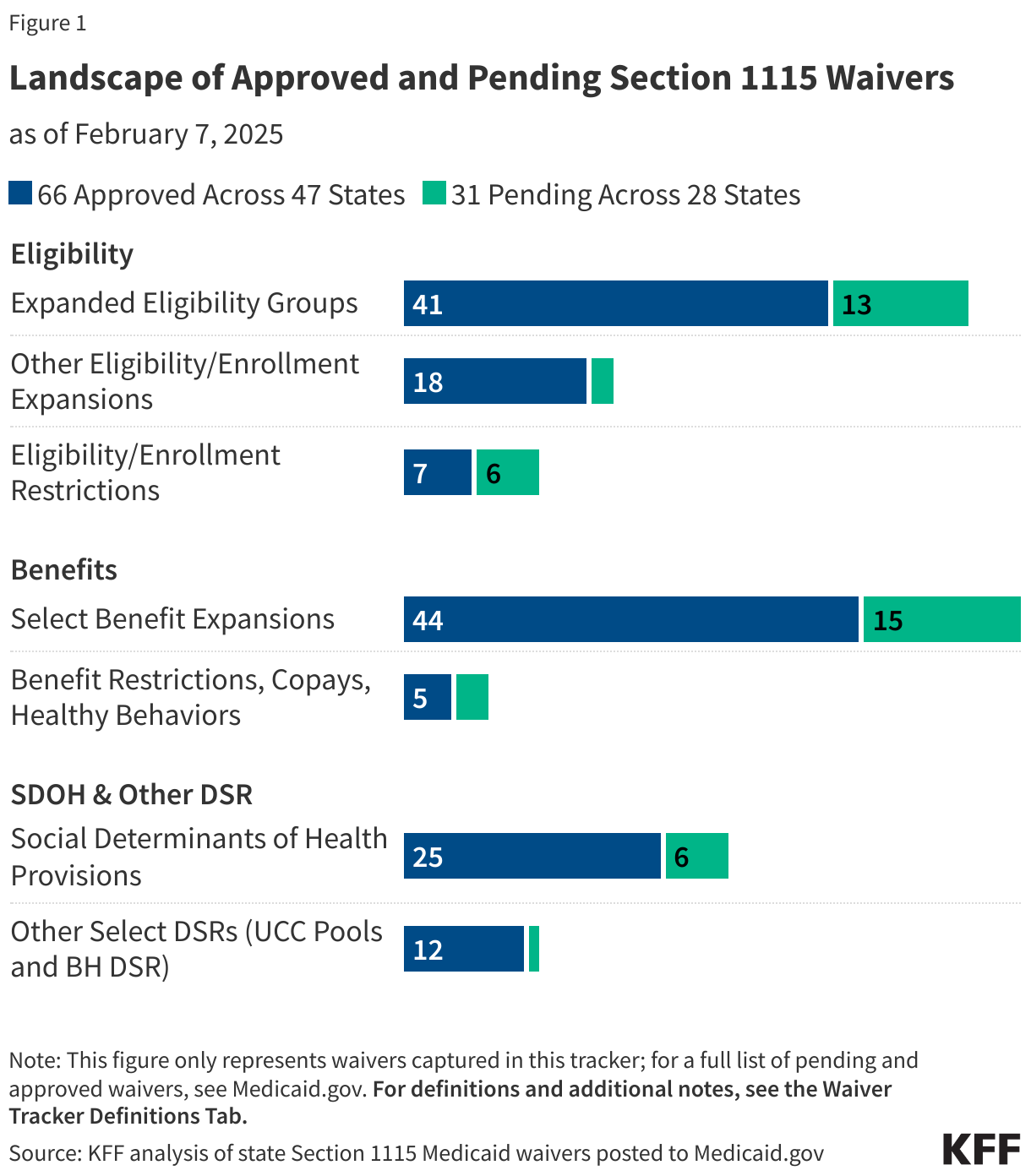
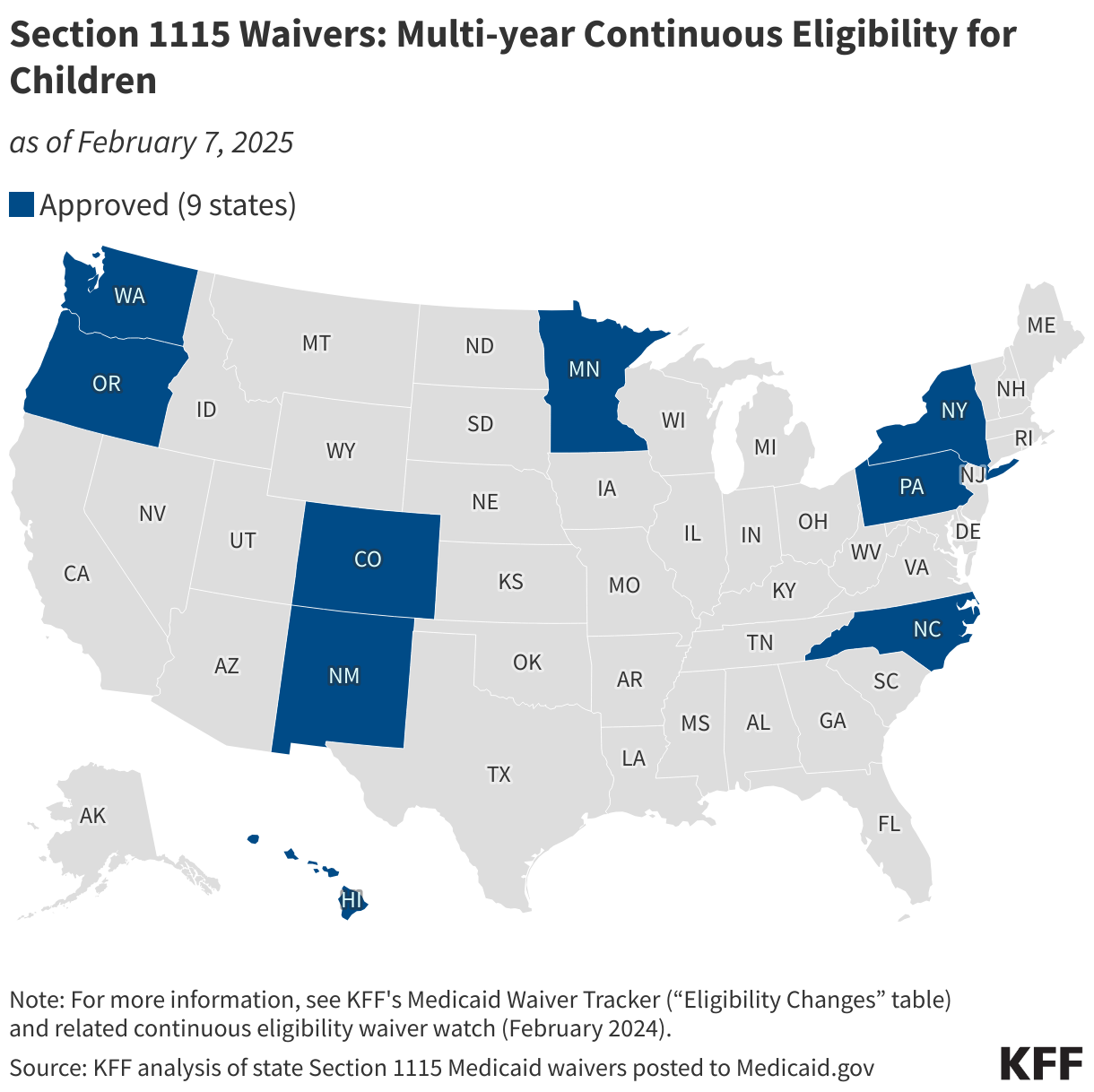
Over the past decade, these waivers have evolved from administrative tools into major vehicles for sweeping policy overhauls. While early iterations frequently focused on managed care transitions and eligibility expansions, recent years have seen states leverage waivers to address complex systemic issues. These include integrating health-related social needs (HRSN) such as housing and nutrition stability, facilitating pre-release healthcare services for incarcerated individuals to improve community reentry, and establishing multi-year continuous eligibility periods for children to minimize coverage disruptions, commonly referred to as "churn."
However, because the approval of an 1115 waiver relies heavily on the administrative discretion of the Centers for Medicare & Medicaid Services (CMS) under the sitting presidential administration, the national landscape is subject to sudden and profound regulatory pivots. State officials must continuously recalibrate their long-term health planning to align with federal priorities that can transform overnight.
Major Policy Reversals Under the Trump Administration
The political transition to the second Trump administration triggered a wave of regulatory rollbacks and strategic redirection regarding federal Medicaid oversight. Key initiatives championed during the Biden administration—particularly those focused on health-related social needs, workforce strengthening, and continuous coverage—have faced systematic curtailment or reevaluation.
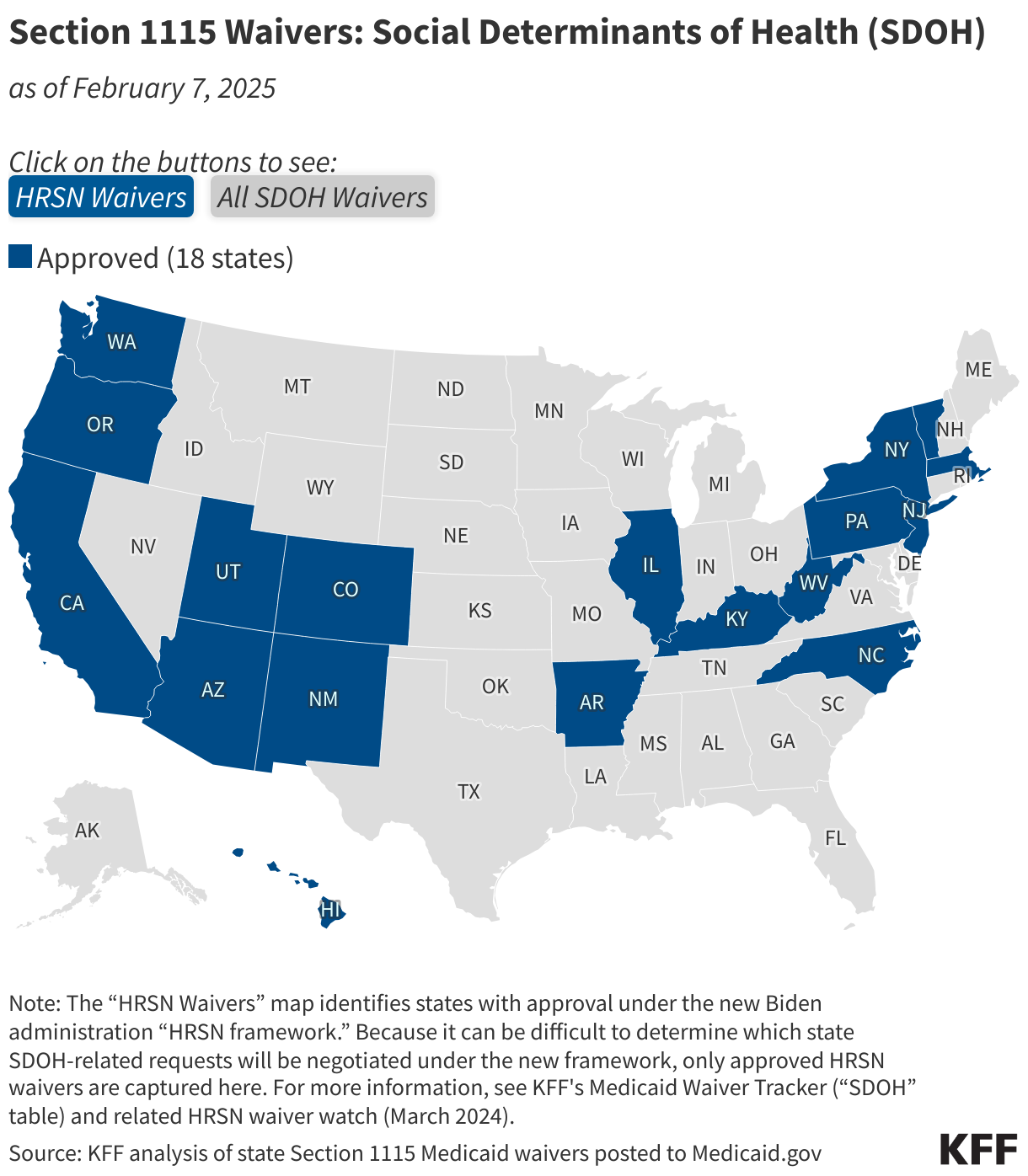
In March 2025, CMS formally rescinded the comprehensive guidance issued by the Biden administration regarding health-related social needs (HRSN). While federal officials clarified that this rescission does not automatically nullify existing HRSN 1115 approvals currently operational in various states, future requests targeting housing instability, homelessness, and nutrition insecurity will no longer enjoy streamlined pathways. Instead, CMS announced that all new or renewing HRSN and social determinants of health (SDOH) proposals will face rigorous, case-by-case scrutiny.
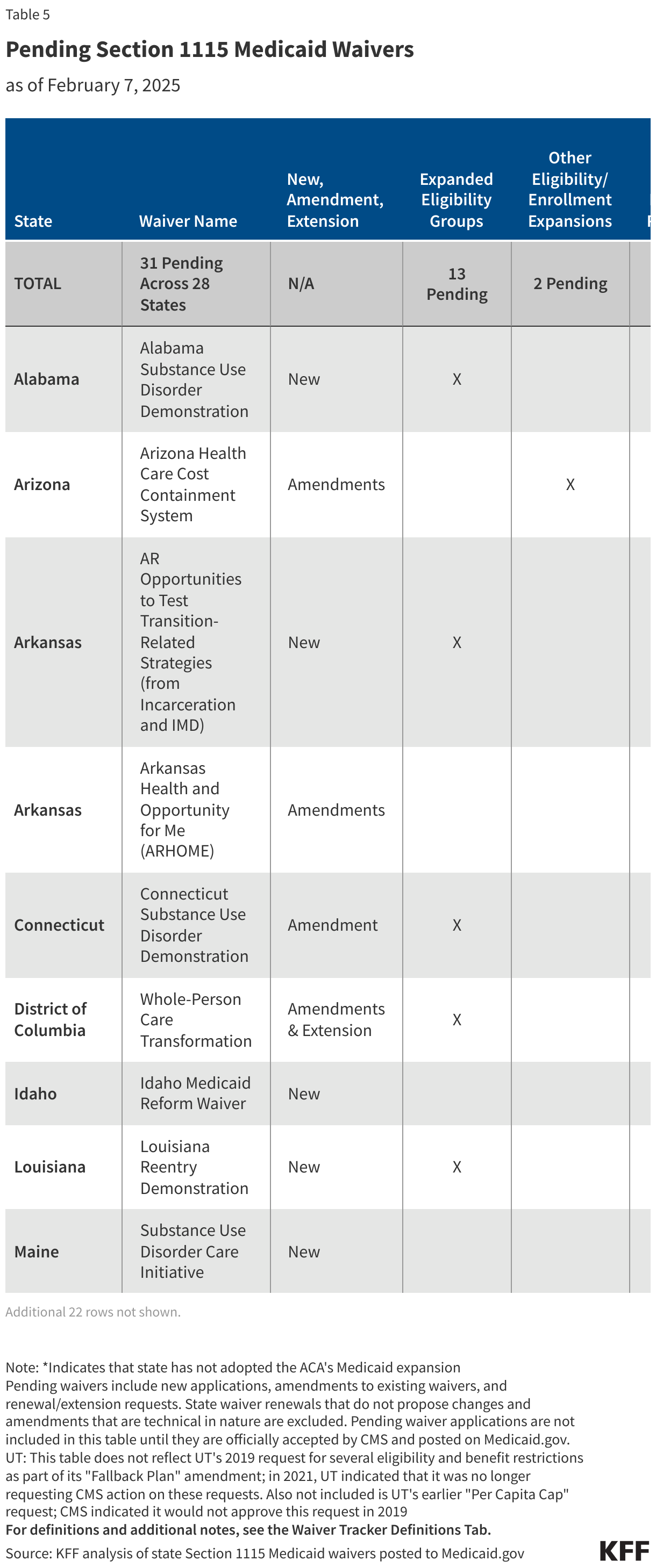
Further compounding these changes, the Trump administration announced in April 2025 its intention to phase out federal funding for Designated State Health Programs (DSHP) frequently embedded within larger waiver structures. Shortly thereafter, in July 2025, CMS released updated guidance confirming that the federal government would no longer approve new multi-year continuous eligibility waivers for children or adults, nor would it grant extensions for existing ones. Additional directives issued that same month signaled the termination of federal initiatives aimed at bolstering the primary care, behavioral health, dental, and home- and community-based services (HCBS) workforce through waiver-backed funding mechanisms.
The Resurgence and Implementation of Medicaid Work Requirements
Perhaps the most consequential development in recent Medicaid policy stems from federal budgetary legislation. The 2025 reconciliation law fundamentally altered the national eligibility framework by mandating that states condition Medicaid coverage for non-disabled adults in the Affordable Care Act (ACA) expansion group on meeting strict work and community engagement requirements, with a federal implementation deadline of January 1, 2027.
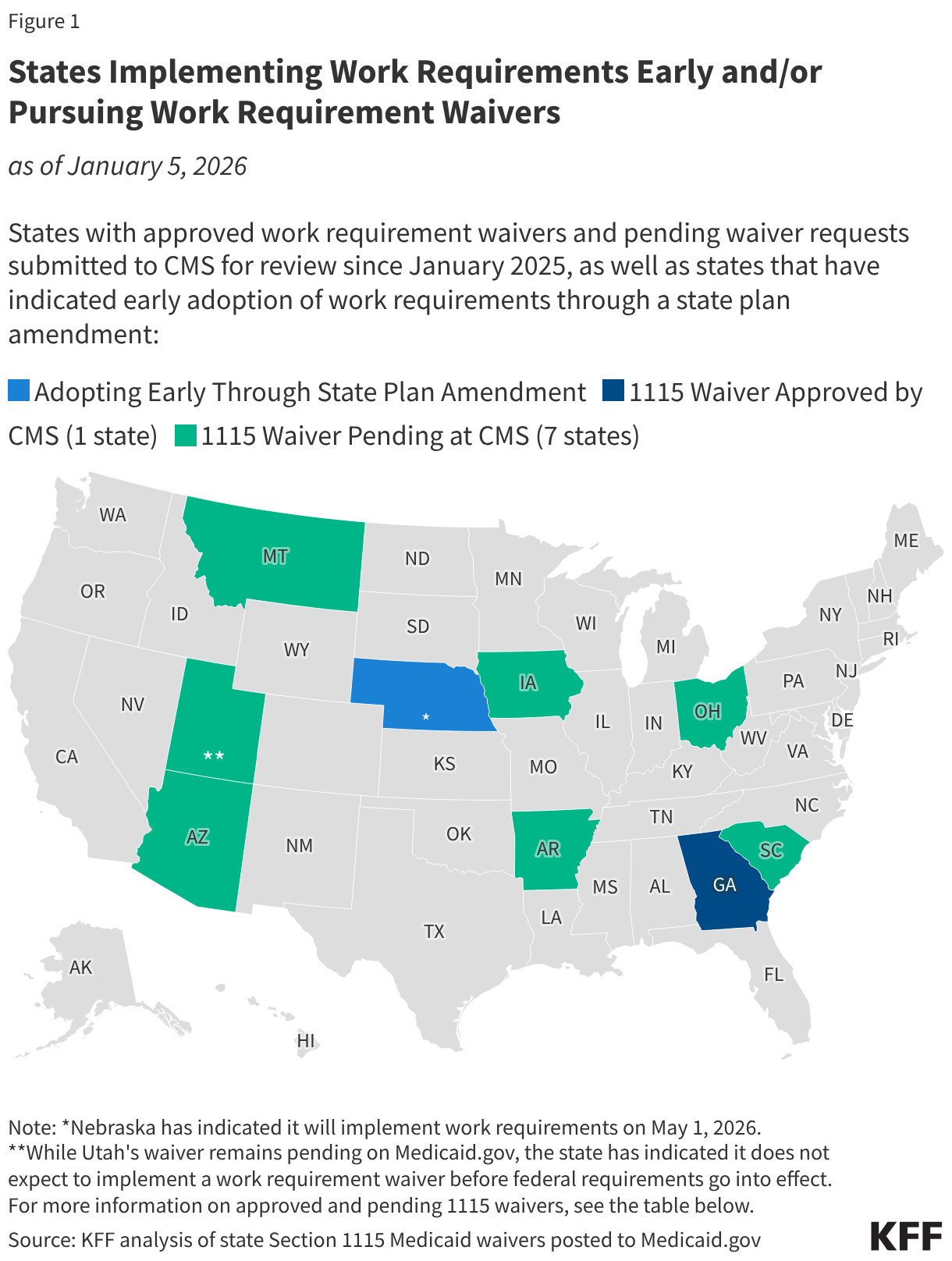
While the statutory deadline is set for early 2027, states have been granted the flexibility to enforce these requirements ahead of schedule through either a State Plan Amendment (SPA) or an approved Section 1115 waiver. This legislative mandate has largely shifted state strategic focus away from pursuing standalone 1115 work requirement waivers—many of which were stalled or litigated during previous administrations—and toward early SPA implementation.
Nebraska made headlines as the first state to announce early enforcement, scheduling its implementation of federal work requirements via a State Plan Amendment for May 1, 2026. Following Nebraska’s lead, Montana set its implementation date for July 1, 2026, and Iowa scheduled its rollout for December 1, 2026. Meanwhile, Arkansas adopted a phased approach, announcing a "soft implementation" beginning July 1, 2026, which will test administrative reporting systems without resulting in beneficiary disenrollments prior to the mandatory January 1, 2027 cutoff.

In contrast, 1115 waiver activity surrounding work requirements has slowed significantly. Georgia remains a unique outlier as the sole state with an active, court-affirmed Medicaid work requirement waiver in place, a legacy of prolonged litigation during the Biden administration. Georgia’s current waiver is authorized to run through December 31, 2026, after which the state must fully transition to compliance with the universal federal standards taking effect the following day.
Addressing Social Determinants of Health and Incarcerated Populations
Despite federal headwinds, state interest in targeting the underlying drivers of poor health outcomes remains high, albeit constrained by the new CMS review standards. Social determinants of health (SDOH)—encompassing safe housing, food security, reliable transportation, and economic stability—had emerged as a cornerstone of state innovation between 2021 and 2024. Through specialized HRSN frameworks, numerous states successfully secured federal backing to provide targeted non-clinical interventions aimed at reducing emergency department utilization and chronic disease progression.
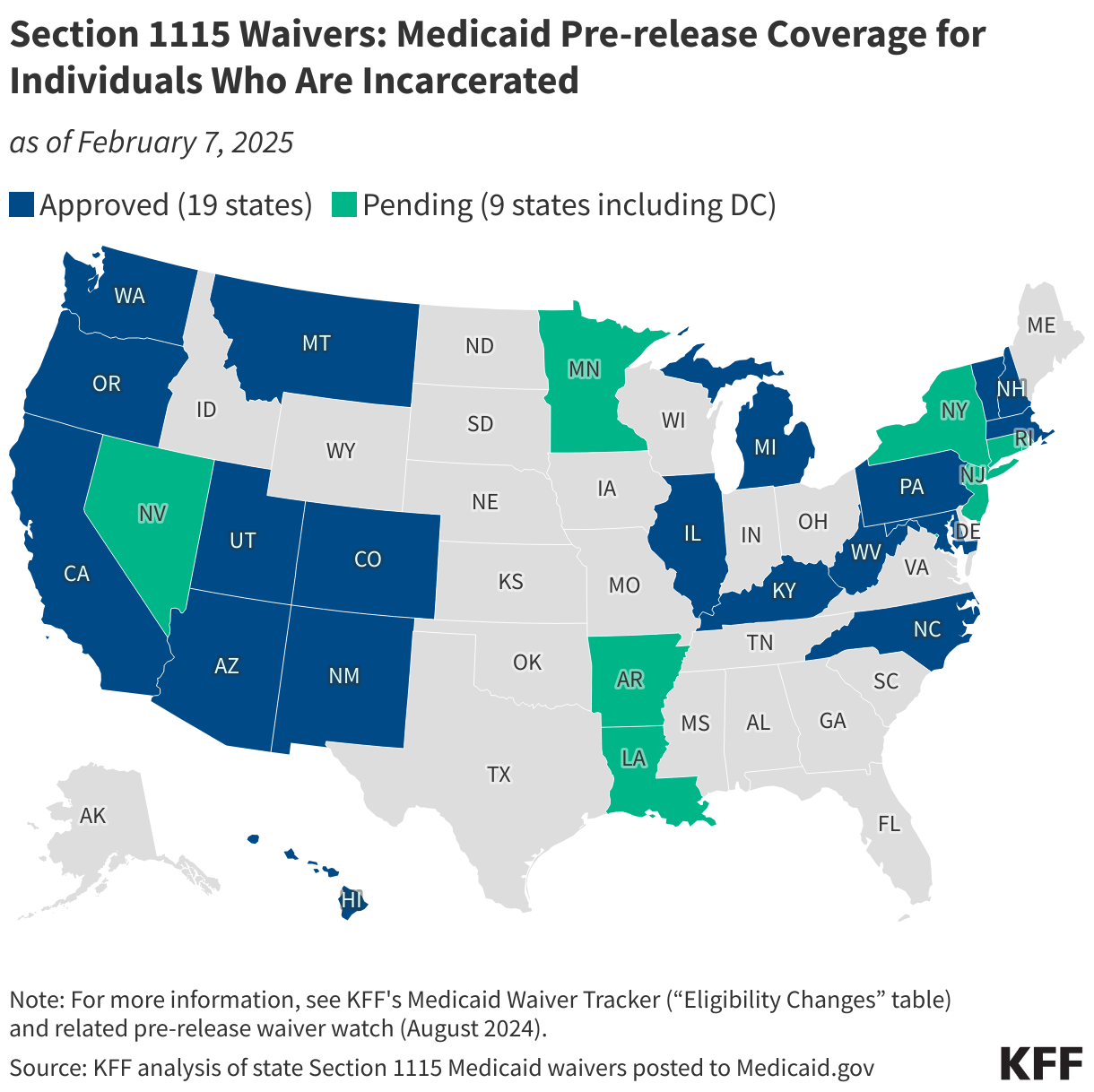
Concurrently, another major area of bipartisan Section 1115 activity has centered on healthcare transitions for individuals leaving the criminal justice system. Under guidance introduced by the Biden administration in April 2023, states were encouraged to test partial waivers of the historic "inmate exclusion policy," which traditionally barred Medicaid from financing medical care during incarceration. By allowing state Medicaid programs to cover essential pre-release physical and behavioral health services up to 90 days prior to an individual’s scheduled release, participating states aimed to establish continuity of care, manage chronic and substance use disorders, and significantly reduce post-release recidivism and mortality rates.
By the close of the Biden administration, 19 states had successfully secured approved pre-release waivers, drawing participation from both Republican and Democratic governors. Demonstrating the continued appeal of transitional reentry services across political lines, the Trump administration approved four additional reentry waivers in September 2026, while signaling that updated federal guidelines governing criminal justice transitions will be issued in the near future.
Implications for Beneficiaries, States, and the Healthcare Market
The convergence of federal work mandates, the tightening of continuous eligibility rules, and the reevaluation of social determinants of health waivers carry profound implications for the U.S. healthcare ecosystem.
For state budgetary planners, the shifting federal stance introduces considerable financial and administrative uncertainty. States that heavily invested in building infrastructure around HRSN initiatives or workforce expansion must now navigate a more restrictive federal funding environment, potentially requiring state legislatures to appropriate domestic funds if they wish to sustain these programs independently.
For Medicaid beneficiaries, particularly low-income adults and families, the coming years are poised to bring heightened administrative complexity. The implementation of mandatory work requirements across expansion states will introduce new reporting obligations, creating potential risks of coverage loss—often referred to as "administrative churn"—for individuals who experience employment volatility, caregiving responsibilities, or difficulties navigating digital reporting portals. Conversely, the continuation and expansion of pre-release coverage for incarcerated individuals represent a bright spot in continuity of care, promising measurable improvements in public health and community safety as more states operationalize transition-related services.
As federal oversight bodies continue to issue updated regulatory interpretations through 2026 and into the 2027 statutory deadline, healthcare analysts, policy experts, and state administrators will closely monitor how these contrasting federal priorities reshape the boundaries of the nation’s largest public health insurance program.
Related posts: