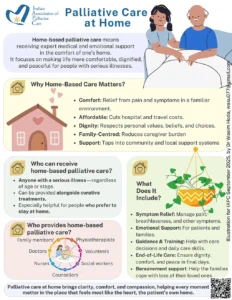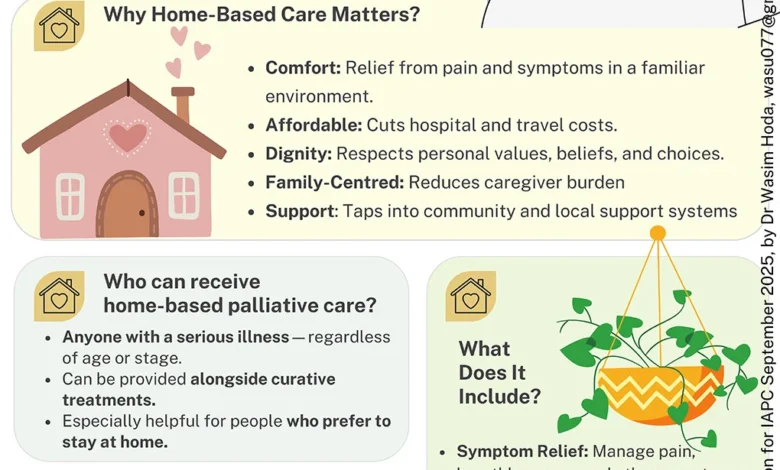
The Indian Association of Palliative Care (IAPC) has released its latest infographic, focusing on the critical and expanding domain of "Palliative Care at Home." This release marks the third installment in the IAPC’s "Care Continuum" series, building upon previous publications from June of this year, and underscores the organization’s sustained commitment to enhancing palliative care education and awareness across India. The initiative aims to provide accessible, visual information to a broad audience, encouraging wider adoption and understanding of home-based palliative care services.
Expanding Access to Compassionate Care: The IAPC’s Strategic Initiative
The unveiling of the "Palliative Care at Home" infographic is a significant step in the IAPC’s ongoing strategy to demystify and promote palliative care. This specific focus on home-based services acknowledges the growing demand for care that allows individuals with life-limiting illnesses to remain in the comfort and familiarity of their own surroundings. Palliative care, at its core, is about improving the quality of life for patients and their families facing serious illness, through the prevention and relief of suffering by means of early identification and impeccable assessment and treatment of pain and other problems, physical, psychosocial and spiritual. By emphasizing the "at home" aspect, the IAPC highlights the practical implementation of these principles in a setting that is often preferred by patients.
This initiative is not an isolated event but rather a continuation of a deliberate educational campaign. The "Care Continuum" series, initiated earlier in the year, aims to illustrate the interconnectedness of various stages and settings of palliative care. The June publication likely provided a foundational overview, and subsequent installments, including this one, delve into specific, crucial areas. The progression suggests a methodical approach to building a comprehensive understanding of palliative care’s multifaceted nature.
The "Palliative Care at Home" Infographic: Key Insights and Visual Communication
While the full content of the infographic is best viewed directly, its theme—"Palliative Care at Home"—suggests it will illuminate several key aspects. These likely include:
- Defining Home-Based Palliative Care: Explaining what services are typically offered, such as pain and symptom management, emotional and spiritual support, assistance with daily living activities, and caregiver support.
- Benefits for Patients and Families: Highlighting advantages like enhanced comfort, reduced hospitalizations, improved quality of life, greater patient autonomy, and the ability to maintain family connections.
- The Role of the Palliative Care Team: Outlining the multidisciplinary nature of home care, involving physicians, nurses, social workers, counselors, volunteers, and allied health professionals.
- Addressing Common Challenges: Potentially touching upon logistical hurdles, the need for robust caregiver training, and the importance of seamless coordination with healthcare facilities.
- Accessibility and Reach: Indicating how individuals can access these services and the geographical areas where they are available.
- The Continuum of Care: Demonstrating how home-based palliative care integrates with hospital, hospice, and other care settings.
The choice of an infographic format is strategic. It allows for the efficient dissemination of complex information in a visually engaging and easily digestible manner. In a country as diverse and vast as India, with varying levels of literacy and access to traditional educational materials, infographics serve as powerful tools for broad-based awareness campaigns. The visual appeal can capture attention, while concise text and illustrative graphics can convey key messages effectively.
Background and Context: The Growing Need for Palliative Care in India
The IAPC’s focus on palliative care at home is rooted in a pressing need within India. The country faces a significant burden of non-communicable diseases (NCDs), which often require long-term management and palliative interventions. According to the World Health Organization (WHO), NCDs are projected to be the leading cause of death and disability in India by 2030. This demographic shift necessitates a robust and accessible palliative care infrastructure.
Historically, palliative care in India has been concentrated in urban centers and within hospital settings. However, the majority of the Indian population resides in rural areas, and a substantial number of patients prefer to receive care in their homes. This preference is driven by cultural factors, the desire for comfort and familiarity, and the potential for reduced financial burden compared to prolonged hospital stays.
The COVID-19 pandemic further accelerated the recognition of home-based care models. Lockdowns and the strain on healthcare facilities highlighted the importance of strengthening community-based and home-care services to manage chronic conditions and end-of-life care. This period likely provided valuable lessons and underscored the resilience and effectiveness of home palliative care.

Chronology of the IAPC’s "Care Continuum" Series
The "Care Continuum" series represents a structured approach by the IAPC to educate the public and healthcare professionals on the holistic spectrum of palliative care.
- June 2025: The series likely commenced with a foundational infographic, potentially titled "Understanding the Palliative Care Continuum." This would have set the stage by defining palliative care, its principles, and its relevance across different stages of illness.
- Subsequent Months (leading up to September 2025): Additional infographics would have been released, each focusing on a specific aspect of the care continuum. This could have included topics like "Palliative Care in Hospitals," "Palliative Care in Inpatient Hospices," or "The Role of Interdisciplinary Teams."
- September 2025: The release of "Palliative Care at Home" signifies the culmination or a significant stage in this series, addressing a vital and often underserved area.
This chronological approach allows for a progressive build-up of knowledge, ensuring that audiences can grasp the interconnectedness of various care settings and services.
Supporting Data and Statistics: The Evidence Behind Home Palliative Care
While the infographic itself will present data visually, background research provides a strong foundation for its message. Global and national statistics underscore the importance of palliative care, and specifically home-based models:
- Global Need: The WHO estimates that only about 14% of people worldwide who need palliative care receive it. This gap is even larger in low- and middle-income countries.
- Cost-Effectiveness: Studies have shown that home-based palliative care can be more cost-effective than inpatient care, reducing hospital admissions and emergency room visits. For instance, research published in journals like the Journal of Palliative Medicine has often highlighted these economic benefits.
- Patient and Family Satisfaction: Numerous studies consistently report higher levels of satisfaction among patients and families who receive palliative care at home, citing improved comfort, dignity, and control over their care.
- Indian Context: While specific national data on home palliative care utilization in India is still evolving, anecdotal evidence and regional studies suggest a strong preference for home-based care. Organizations working on the ground often report that a significant majority of patients express a desire to be cared for at home. The National Health Profile of India also highlights the growing burden of chronic diseases, which directly correlates with the increasing need for palliative support.
The infographic will likely translate such data into easily understandable visuals, perhaps using icons, charts, and compelling statistics to illustrate the impact and necessity of home palliative care.
Official Statements and Support: Endorsement from Key Stakeholders
The IAPC’s initiative is supported by key figures and organizations within the palliative care community. Dr. Wasimul Hoda, a Fellow in Pain Medicine at the Department of Anaesthesia, Critical Care and Pain Medicine, AIIMS New Delhi, is specifically acknowledged for his valuable support. This collaboration with a prominent institution like AIIMS lends significant credibility to the IAPC’s efforts.
Such endorsements suggest a broader consensus within the medical and public health sectors regarding the importance of palliative care. Officials from institutions like AIIMS, and leaders within palliative care organizations, often advocate for increased policy support, funding, and training in this field. Their involvement in initiatives like this infographic series signals a unified front in promoting better care for patients with life-limiting illnesses.
While direct quotes from these individuals may not be available in the initial release, their involvement implies a shared vision and commitment to advancing palliative care access and quality. The IAPC’s statement encouraging the sharing of the infographic within networks further amplifies this collaborative spirit, aiming to reach a wider audience through distributed advocacy.
Broader Impact and Implications: Shaping the Future of Palliative Care in India
The IAPC’s sustained efforts through its infographic series, particularly this focused release on "Palliative Care at Home," carry significant implications for the future of healthcare in India:
- Increased Awareness and Demand: By making information accessible and engaging, the IAPC is likely to foster greater public understanding and, consequently, increased demand for home-based palliative care services. This can put pressure on healthcare providers and policymakers to expand these services.
- Policy and Funding Advocacy: Enhanced awareness often translates into stronger advocacy for supportive policies and increased government funding for palliative care, including home-based models. This can lead to the development of national guidelines and resource allocation for these services.
- Training and Capacity Building: As awareness grows, there will be a greater need for trained professionals to deliver home-based palliative care. This infographic may serve as a catalyst for more training programs and educational initiatives for healthcare workers.
- Integration into Healthcare Systems: The emphasis on the "Care Continuum" suggests a move towards better integration of palliative care into mainstream healthcare. Home-based care, when effectively implemented, can reduce the burden on hospitals and improve the overall efficiency of the healthcare system.
- Empowerment of Patients and Families: By highlighting the benefits and accessibility of home palliative care, the IAPC empowers patients and their families to make informed choices about their care preferences, ensuring that their wishes are respected during challenging times.
The IAPC’s commitment to producing and disseminating such educational materials is a crucial component in transforming the landscape of palliative care in India. The "Palliative Care at Home" infographic is more than just a visual aid; it is a strategic tool in a larger campaign to ensure that quality, compassionate care is accessible to all who need it, wherever they may choose to receive it. The ongoing availability of these infographics on the IAPC’s website and social media platforms ensures that this vital information remains accessible for continued learning and advocacy.
Related posts: