IAPC Releases Comprehensive Infographic on Palliative Care at Home to Expand Reach of Community-Based Support

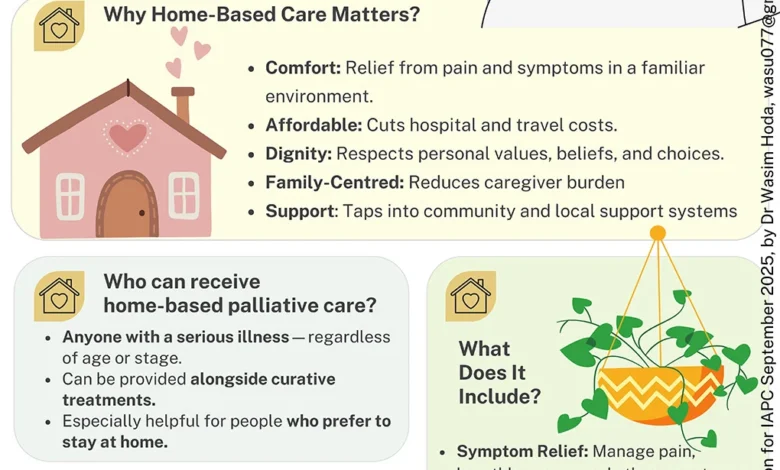
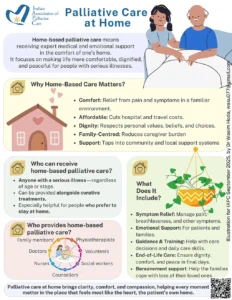
The Indian Association of Palliative Care (IAPC) has officially launched the third installment of its "Care Continuum" educational series, focusing this month on the critical subject of Palliative Care at Home. This latest resource, presented in the form of a detailed infographic, serves as part of a broader, sustained strategic initiative by the IAPC to demystify palliative care practices and increase public and professional awareness across India. The release underscores the organization’s commitment to decentralizing healthcare services, moving beyond the traditional confines of hospital-based interventions to reach patients in their most comfortable environments.
The Evolution of the Care Continuum Series
The IAPC’s "Care Continuum" series was inaugurated in June 2025, marking a significant shift in how the organization disseminates complex clinical information. By utilizing visual media, the IAPC aims to bridge the gap between medical professionals, caregivers, and the general public. The inaugural infographic established the framework for a patient-centered approach, tracing the trajectory of care from initial diagnosis to end-of-life support.
The second part of the series, released in the interim, focused on the integration of multidisciplinary teams in palliative settings. Now, with the third installment, the focus shifts specifically to the logistical and clinical nuances of home-based palliative care. This progression reflects a deliberate effort to tackle the barriers to entry for home-based services, which remain the most preferred yet least accessible form of care for the majority of the Indian population dealing with chronic or life-limiting illnesses.
The Significance of Home-Based Palliative Care
In the Indian context, palliative care at home is not merely a matter of convenience; it is a necessity driven by demographic shifts, the rising prevalence of non-communicable diseases, and the cultural preference for family-centered care. Home-based care models have been statistically proven to reduce the burden on tertiary care facilities while simultaneously improving the quality of life for patients.
According to global health metrics, a significant percentage of patients with terminal or chronic conditions spend their final months in institutional settings that may not be equipped to provide the psychosocial and holistic support required. The IAPC’s initiative seeks to address this by highlighting the essential components of home-based care: symptom management, family counseling, the coordination of specialized equipment, and the training of informal caregivers.
Data from palliative care studies suggest that early integration of home-based support can lead to a 20% to 30% reduction in emergency room visits for patients with advanced illness. Furthermore, the psychological impact on families is profound; when caregivers are equipped with the knowledge provided in resources like the IAPC’s new infographic, they report higher levels of confidence and lower rates of burnout, which are critical factors in long-term patient care.
Expert Contributions and Strategic Development
The development of this educational tool involved rigorous peer review and academic oversight. The IAPC acknowledged the contributions of Dr. Wasimul Hoda, a Fellow in Pain Medicine within the Department of Anaesthesia, Critical Care and Pain Medicine at the All India Institute of Medical Sciences (AIIMS), New Delhi. His involvement highlights the intersection of academic pain management expertise and the practical, community-oriented goals of the IAPC.
The collaboration between premier medical institutions like AIIMS and national associations like the IAPC is indicative of a broader trend toward standardizing palliative care protocols. By leveraging clinical expertise to create accessible, non-technical visual aids, the organization is effectively translating complex pain management guidelines into actionable advice for families. This academic-to-public pipeline is essential for scaling up palliative care services in a country as vast and diverse as India.
Addressing the Global and National Gap
Despite the progress made by organizations like the IAPC, the "Palliative Care at Home" initiative highlights a persistent reality: the vast majority of those in need of palliative care globally—and particularly in low- and middle-income countries—do not have access to it. The World Health Organization (WHO) has frequently noted that less than 15% of people worldwide who need palliative care receive it.

In India, this gap is exacerbated by geographical disparities. Urban centers often possess the infrastructure for multidisciplinary palliative teams, whereas rural areas remain underserved. The IAPC’s decision to publish these infographics in a shareable, digital format is a strategic response to this geographical divide. By ensuring the content is easily accessible via social media and the official IAPC website, the organization allows information to travel faster than clinical personnel, effectively empowering local healthcare workers and family members to initiate basic palliative measures where formal specialists may not yet be available.
Analysis of Implications for Healthcare Policy
The release of this infographic is not an isolated event but a tactical component of a national push for "Palliative Care for All." The implications of this initiative are twofold. First, it fosters a culture of informed advocacy. When patients and their families understand what palliative care entails—beyond the misconception that it is solely for end-of-life situations—they are more likely to request it, thereby driving demand and forcing systemic change.
Second, the initiative serves as a blueprint for institutionalizing home-based care. For policymakers and hospital administrators, the infographic serves as a simplified reminder of the standards of care that should be expected. It identifies the pillars of home care: the importance of managing physical pain, the necessity of spiritual and emotional support, and the role of the caregiver as an extension of the medical team.
If these visual guidelines are adopted by community health centers and Primary Health Centers (PHCs), the impact on public health could be substantial. The normalization of home-based care through such resources could potentially alleviate the overcrowding in secondary and tertiary hospitals, allowing those facilities to focus on acute interventions while palliative patients receive superior, personalized care in their homes.
Future Outlook and Continuing the Series
The IAPC has confirmed that the "Care Continuum" series will continue to explore other facets of palliative care in the coming months. Future installments are expected to delve into specific sub-specialties, such as pediatric palliative care, geriatrics, and the management of specific terminal conditions.
For stakeholders in the healthcare ecosystem, the accessibility of these materials is vital. By providing a repository of these infographics on the IAPC website, the association is creating a permanent digital library that can be utilized by medical students, nursing staff, social workers, and the general public. As the series progresses, it is likely to become a foundational resource for palliative care training programs across the country.
Interested parties, including healthcare providers, medical students, and patient advocacy groups, are encouraged to disseminate these resources within their respective networks. The IAPC’s emphasis on digital sharing reflects the modern necessity of rapid information exchange in public health. By lowering the barrier to entry for information, the association is actively shaping a future where palliative care is an integrated, standard component of the Indian healthcare landscape rather than a peripheral luxury.
As the initiative moves forward, the IAPC remains focused on its core mission: to improve the quality of life of patients and their families facing problems associated with life-threatening illness. Through the continued publication of such resources, the organization is steadily moving toward its goal of comprehensive, accessible, and compassionate care that recognizes the dignity of the patient in every setting, particularly within the sanctity of the home.
The infographic on "Palliative Care at Home" is currently available on the official IAPC website, alongside the previous installments of the series, ensuring that the cumulative knowledge generated by this initiative remains a lasting asset for the palliative care community.