IAPC Launches Infographic Series Highlighting the Critical Role of Palliative Care at Home

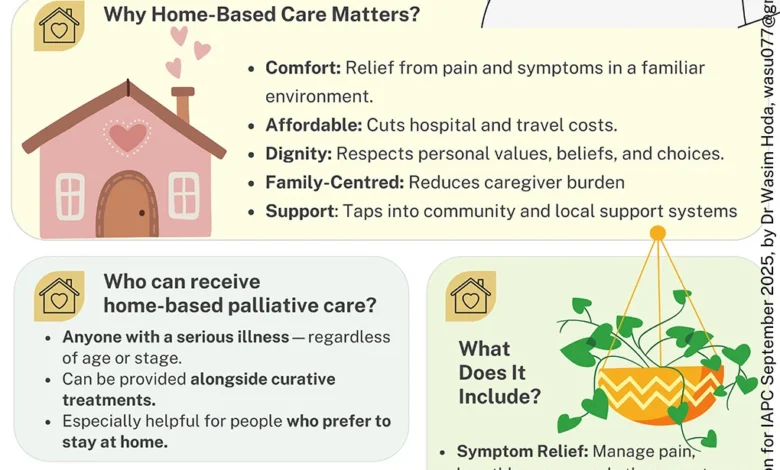
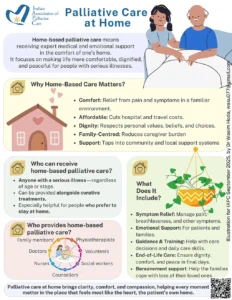
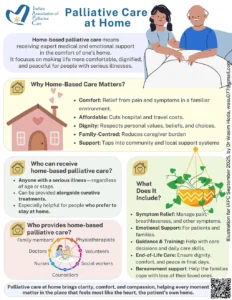
The Indian Association of Palliative Care (IAPC) has unveiled its latest initiative, the third installment in its "Care Continuum" infographic series, focusing this month on "Palliative Care at Home." This release underscores the IAPC’s ongoing commitment to expanding awareness and access to palliative care services nationwide, particularly emphasizing the vital role these services play within the domestic setting. The infographic aims to educate the public and healthcare professionals alike on the benefits and implementation of palliative care in the home environment, a crucial component of comprehensive patient support.
The Growing Imperative for Palliative Care at Home
Palliative care, often misunderstood as solely end-of-life care, is a specialized medical approach designed to provide relief from the symptoms and stress of a serious illness. The primary goal is to improve quality of life for both the patient and the family. As chronic and life-limiting illnesses continue to rise globally, the demand for accessible and effective palliative care solutions has surged. In-home palliative care offers a compassionate and patient-centered alternative to institutional settings, allowing individuals to remain in the comfort and familiarity of their own homes while receiving expert medical and emotional support.
The IAPC’s decision to dedicate an infographic to "Palliative Care at Home" comes at a pivotal moment. Recent data from the World Health Organization (WHO) highlights that a significant proportion of the global population requiring palliative care—estimated at over 40 million people annually—do not receive it. A substantial portion of this unmet need could potentially be addressed through robust home-based palliative care programs. In India, where healthcare infrastructure can be unevenly distributed and access to specialized care can be challenging, home-based services become even more critical, especially in rural and semi-urban areas.
A Strategic Initiative to Enhance Palliative Care Education
This infographic series is not an isolated event but a strategic continuation of the IAPC’s broader educational mission. The "Care Continuum" series, initiated in June of this year, aims to systematically address different facets of palliative care, illustrating how these services integrate across various stages of illness and care settings. The first part of the series likely set the foundational understanding of palliative care, followed by subsequent parts delving into specific applications. The current focus on home-based care signifies a recognition of the increasing trend towards de-institutionalized healthcare and the strong desire of patients to receive care in familiar surroundings.
The IAPC’s consistent efforts to promote palliative care education and awareness are crucial in shifting societal perceptions. Traditionally, palliative care has been associated with hospice and end-of-life scenarios. However, modern palliative care principles advocate for its integration much earlier in the course of a serious illness, offering symptom management, psychological support, and advance care planning to enhance the quality of life regardless of prognosis. By providing accessible educational materials like infographics, the IAPC democratizes knowledge and empowers individuals to seek and advocate for appropriate care.
Supporting Data and the Scope of Home-Based Palliative Care
The effectiveness of home-based palliative care is supported by a growing body of evidence. Studies have shown that patients receiving palliative care at home often experience better symptom control, reduced hospital admissions, and improved patient and family satisfaction compared to those who do not. For instance, a meta-analysis published in the Journal of Pain and Symptom Management indicated that home-based palliative care interventions were associated with significant reductions in pain and other distressing symptoms, as well as improved emotional well-being.
The scope of "Palliative Care at Home" extends beyond mere medical intervention. It encompasses a multidisciplinary approach involving physicians, nurses, social workers, counselors, and volunteers. These teams work collaboratively to address the physical, emotional, social, and spiritual needs of the patient. For families, home-based palliative care offers practical support, respite care, and guidance through the complexities of managing a loved one’s illness, thereby reducing caregiver burden and preventing burnout.

In the Indian context, the challenges are multifaceted. Limited trained palliative care professionals, inadequate reimbursement mechanisms for home-based services, and societal barriers can hinder widespread adoption. However, innovative models are emerging, including community-based palliative care programs and partnerships with non-governmental organizations. The IAPC’s infographic likely aims to shed light on these models and inspire further development and investment in this critical area.
Background and Chronology of the IAPC’s Initiatives
The Indian Association of Palliative Care, established with the mission to improve the quality of life for patients facing life-limiting illnesses, has been at the forefront of advocating for palliative care in India. Its activities range from policy advocacy and professional training to public awareness campaigns. The "Care Continuum" infographic series represents a structured approach to disseminating vital information.
- June 2025: The IAPC launches its "Care Continuum" infographic series, likely focusing on the foundational aspects of palliative care and its integration into the broader healthcare landscape. This initial release sets the stage for subsequent, more specialized topics.
- Subsequent Months: Following the June launch, the IAPC continues its series with targeted infographics. The September release, focusing on "Palliative Care at Home," signifies a progression in the depth and specificity of the information being shared. This indicates a planned rollout of topics designed to build a comprehensive understanding of palliative care over time.
- September 2025: The current infographic, "Palliative Care at Home," is released, aiming to educate and promote this vital aspect of care.
This structured approach allows the IAPC to systematically cover key areas of palliative care, ensuring that information is delivered in digestible and accessible formats. The decision to release these as infographics is strategic, leveraging the power of visual communication to reach a wider audience, including those who may not engage with lengthy textual content.
Official Statements and the Vision for Home Care
The IAPC’s announcement of the infographic emphasizes its "constant endeavor to promote palliative care education and awareness across the country." This statement reflects a proactive and persistent commitment to its mission. By making the infographic readily available on social media platforms and their website, the association ensures broad dissemination and encourages its active sharing within professional and personal networks.
The explicit invitation to share the infographic underscores a collaborative approach. Palliative care is a collective responsibility, requiring the engagement of healthcare providers, policymakers, patients, families, and the general public. The IAPC understands that widespread adoption and integration of palliative care services, especially at home, depend on a concerted effort involving all stakeholders.
The acknowledgement of Dr. Wasimul Hoda’s contribution—a Fellow in Pain Medicine at AIIMS New Delhi—highlights the collaborative nature of such initiatives. It signifies the involvement of leading medical professionals and institutions in advancing palliative care knowledge and practice in India. This collaboration lends credibility to the IAPC’s efforts and reinforces the importance of specialized expertise in developing and disseminating accurate information.
Broader Impact and Future Implications
The release of the "Palliative Care at Home" infographic has several potential implications for the landscape of healthcare in India:
- Increased Patient and Family Empowerment: By raising awareness, the infographic can empower patients and their families to inquire about and request home-based palliative care services. This can lead to more informed decision-making and better alignment of care with patient preferences.
- Stimulating Healthcare Provider Engagement: Healthcare professionals, especially those not directly involved in palliative care, can gain a clearer understanding of its scope and benefits when delivered at home. This could encourage more referrals and integration of palliative care principles into general medical practice.
- Driving Policy and Investment: A well-informed public and a more engaged healthcare sector can create a stronger impetus for policymakers to develop supportive legislation, funding mechanisms, and training programs for home-based palliative care. This could lead to increased government and private investment in this sector.
- Addressing Healthcare Disparities: Home-based palliative care has the potential to bridge gaps in healthcare access, particularly for individuals in remote areas or those with mobility issues. It can bring specialized care directly to those who might otherwise be unable to access it.
- Shifting the Care Paradigm: The continued emphasis on home-based care by organizations like the IAPC contributes to a broader shift in the healthcare paradigm from a purely hospital-centric model to a more patient-centered, community-integrated approach.
The IAPC’s initiative, through its accessible and visually engaging infographic, is a significant step towards demystifying palliative care and highlighting its crucial role within the home environment. As the demand for compassionate, patient-centered care grows, the focus on home-based services is not merely a trend but a necessity. The sustained efforts of the IAPC and its collaborators are instrumental in building a future where quality palliative care is accessible to all, wherever they choose to receive it. The infographic serves as a valuable tool in this ongoing journey, fostering understanding, promoting access, and ultimately improving the lives of countless individuals and their families across India.
Related posts: