IAPC Launches Infographic Series on Palliative Care at Home, Highlighting Crucial Aspects of Home-Based Support

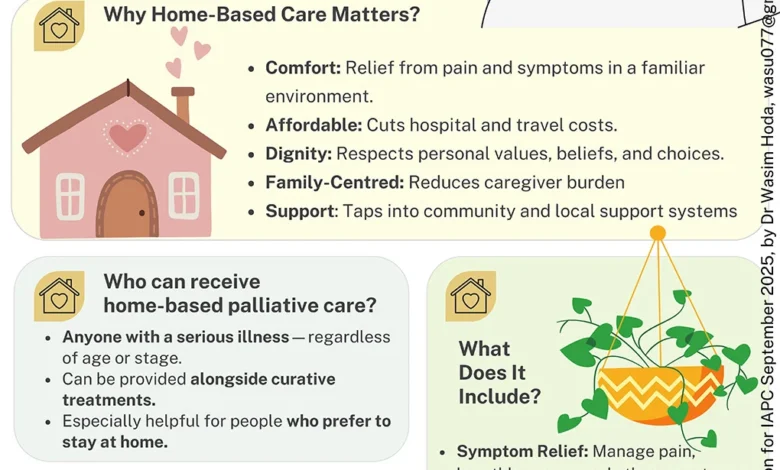
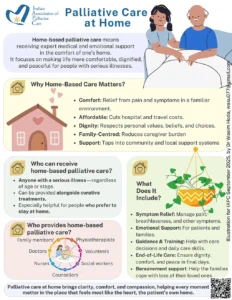
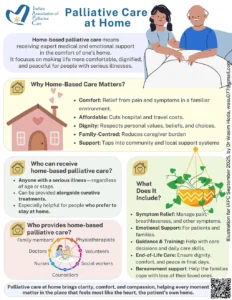
The Indian Association of Palliative Care (IAPC) has unveiled its latest infographic, "Palliative Care at Home," marking the third installment in its ongoing "Care Continuum" series. This initiative underscores the IAPC’s commitment to advancing palliative care education and raising awareness across India, emphasizing the vital role of home-based support for individuals facing life-limiting illnesses. The infographic aims to equip healthcare professionals, caregivers, and the general public with essential knowledge and resources to facilitate comprehensive palliative care within the familiar and comforting environment of a patient’s home.
Expanding the Palliative Care Continuum: A Focus on Home-Based Solutions
The "Care Continuum" series, initiated in June of this year, seeks to provide a holistic understanding of palliative care services and their integration into a patient’s journey. Following previous infographics on broader aspects of the palliative care continuum, the September release specifically addresses the nuances and benefits of delivering palliative care in the home setting. This strategic focus is a direct response to the growing recognition of home-based care as a cornerstone of patient-centered healthcare, offering a more personalized and dignified approach to managing complex symptoms and improving quality of life for both patients and their families.
The IAPC’s decision to dedicate an entire infographic to "Palliative Care at Home" is a testament to the increasing demand for such services and the inherent advantages they offer. In many cases, remaining at home provides a sense of comfort, familiarity, and emotional security that is difficult to replicate in institutional settings. This can significantly contribute to a patient’s overall well-being and reduce the emotional burden associated with illness. The infographic is designed to be a readily accessible and visually engaging resource, capable of disseminating crucial information efficiently.
Background and Genesis of the Initiative
The IAPC, a prominent organization dedicated to promoting palliative care in India, has consistently strived to bridge the gap in access to quality palliative care services. Recognizing that a significant portion of the population prefers to receive care in their own homes, the association embarked on the "Care Continuum" series to systematically address different facets of palliative care delivery. The series began with foundational concepts and has progressively delved into more specialized areas.
The June infographic laid the groundwork by outlining the comprehensive spectrum of palliative care services available, from early diagnosis to end-of-life support. This was followed by subsequent releases that likely explored other critical components of the care continuum, building a robust educational framework. The "Palliative Care at Home" infographic represents a natural progression, addressing a practical and highly sought-after aspect of palliative care.
This initiative is part of a broader national and global movement to integrate palliative care more effectively into healthcare systems. According to the World Health Organization (WHO), palliative care is an essential component of universal health coverage, aiming to improve the quality of life for patients and their families facing the problems associated with life-threatening illness. In India, the need for accessible and affordable palliative care is particularly acute, given the country’s vast population and the increasing burden of non-communicable diseases. Home-based care models are seen as a crucial strategy to address these challenges, by extending the reach of palliative care beyond hospitals and specialized centers.
Key Content and Dissemination Strategy
While the specific details of the infographic’s content are not provided in the original text, its theme, "Palliative Care at Home," suggests it will cover critical aspects such as:
- Symptom Management at Home: Strategies for effectively managing pain, nausea, breathlessness, and other distressing symptoms in a home environment.
- Psychosocial and Emotional Support: The importance of addressing the psychological, social, and spiritual needs of patients and their families at home.
- Role of the Family and Caregivers: Guidance and support for family members and informal caregivers who play a crucial role in home-based palliative care.
- Coordination of Care: How to ensure seamless coordination between healthcare professionals, home care teams, and family members.
- Advance Care Planning: Encouraging discussions about patient preferences and wishes for future care.
- Resource Identification: Information on available resources, support groups, and assistive devices for home care.
- Ethical Considerations: Addressing ethical dilemmas that may arise in home-based palliative care.
The IAPC’s commitment to widespread dissemination is evident in its plan to make the infographic available across multiple platforms. This includes sharing it within their professional networks, posting it on their social media channels, and ensuring its accessibility on their official website. This multi-pronged approach aims to maximize reach and impact, ensuring that the information is available to a diverse audience, including medical practitioners, nurses, allied health professionals, social workers, volunteers, and the general public. The explicit invitation for readers to share the infographic within their networks further amplifies its potential to educate and inform.

Acknowledging Support and Future Outlook
The IAPC has expressed gratitude to Dr. Wasimul Hoda, a Fellow in Pain Medicine at the Department of Anaesthesia, Critical Care and Pain Medicine, AIIMS New Delhi, for his valuable support in bringing this initiative to fruition. Such collaborations are vital for advancing the field of palliative care in India, leveraging expertise from leading institutions to create impactful educational materials.
The availability of past infographics through a dedicated link on the IAPC website further demonstrates their dedication to building a comprehensive repository of palliative care knowledge. This resource will likely continue to grow with future additions to the "Care Continuum" series and other related initiatives. The ongoing efforts by the IAPC are crucial in demystifying palliative care, promoting its integration into mainstream healthcare, and ultimately improving the lives of countless individuals and their families across India.
The Growing Importance of Home-Based Palliative Care
The global trend towards aging populations and the increasing prevalence of chronic and life-limiting diseases necessitate a robust framework for palliative care, with a significant emphasis on home-based services. Data from various studies consistently highlight patient and family preferences for receiving care in familiar surroundings. For instance, a study published in the Journal of Palliative Medicine indicated that a substantial majority of patients express a desire to die at home, underscoring the critical role of home palliative care in fulfilling these wishes.
In India, the challenge of providing adequate palliative care is exacerbated by geographical disparities and the limited availability of specialized palliative care units in many regions. Home-based care models, therefore, offer a scalable and cost-effective solution to extend the reach of palliative services. They empower patients to maintain a higher degree of autonomy and quality of life, reducing the need for hospitalizations and associated healthcare costs.
Data Supporting Home-Based Palliative Care
While specific data points from the infographic are not detailed, general statistics on the impact of home-based palliative care paint a compelling picture. Research has shown that:
- Improved Quality of Life: Patients receiving home-based palliative care often report better symptom control and higher overall satisfaction with their care compared to those receiving standard care.
- Reduced Healthcare Utilization: Effective home care can lead to a decrease in emergency room visits and hospital admissions, thereby easing the burden on healthcare systems.
- Enhanced Family Well-being: Support provided to caregivers at home can alleviate their stress, improve their coping mechanisms, and enhance their sense of preparedness in managing their loved one’s care.
- Cost-Effectiveness: In many settings, home-based palliative care has been demonstrated to be more cost-effective than institutional care, especially when considering the overall patient and family experience.
The IAPC’s infographic likely aims to translate these broader statistical benefits into actionable insights for the Indian context, providing practical guidance tailored to the unique challenges and opportunities present in the country.
Broader Impact and Implications for India
The IAPC’s consistent efforts in disseminating information through infographics and other educational materials have a profound impact on several fronts:
- Demystification of Palliative Care: By breaking down complex concepts into accessible formats, the IAPC is helping to reduce the stigma and misconceptions often associated with palliative care, positioning it as a vital component of comprehensive healthcare rather than solely end-of-life care.
- Capacity Building: The infographics serve as valuable training tools for healthcare professionals, equipping them with the knowledge and skills to implement palliative care principles effectively, particularly in home settings.
- Empowerment of Families: Providing families with clear information about available support and care strategies empowers them to actively participate in their loved one’s care journey, fostering a sense of control and reducing feelings of helplessness.
- Policy Influence: Increased awareness and understanding of palliative care, driven by such initiatives, can contribute to advocating for stronger policy support and resource allocation for palliative care services at the national and state levels.
- Bridging the Gap in Access: By focusing on home-based care, the IAPC is directly addressing the challenge of reaching underserved populations and ensuring that individuals in remote areas can access essential palliative support.
The "Palliative Care at Home" infographic is a significant step in the IAPC’s ongoing mission to integrate palliative care into the fabric of Indian healthcare. Its dissemination across various platforms will undoubtedly contribute to a more informed and compassionate approach to supporting individuals facing life-limiting illnesses, ensuring that comfort, dignity, and quality of life are prioritized, wherever care is delivered. The initiative underscores the IAPC’s forward-thinking strategy in proactively addressing the evolving needs of patients and their families in India.
Related posts: