GeriPal Podcast Celebrates 400 Episodes with a Fiery "Ask Me Anything" Session


The GeriPal Podcast, a prominent voice in geriatric and palliative care, marked a significant milestone this week, airing its 400th episode. The celebratory installment featured hosts Eric Widera and Alex Smith joined by returning guest hosts Anne Kelly, a palliative care social worker, and Lynn Flint, director of the GeriPal Fellowship at UCSF. In a format inspired by the popular web series "Hot Ones," the hosts and guests engaged in a "Hot Ones" style "Ask Me Anything" session, tackling listener-submitted and host-generated questions while progressively consuming increasingly spicy chicken wings.
The podcast, which began in 2016, has established itself as a vital resource for clinicians, researchers, and multidisciplinary professionals dedicated to improving the care of older adults and individuals with serious illnesses. The 400-episode mark, spanning approximately ten years of content, underscores the podcast’s consistent presence and growing influence within its niche.
A Decade of Geriatric and Palliative Care Discourse
The GeriPal Podcast’s journey began with a somewhat unconventional premise: a discussion about bed alarms, complete with a guitar. As hosts Eric Widera and Alex Smith recalled the podcast’s nascent stages, they highlighted their initial lack of familiarity with the podcasting medium itself. "I hadn’t actually listened to a podcast before I recorded a podcast," admitted Smith, reflecting on the early days of the show. This humble beginning has blossomed into a decade-long endeavor that has reached a global audience, with Brazil recently identified as the podcast’s third-largest market.
The format of the 400th episode was designed to be both a celebration and an interactive engagement with its dedicated listener base. The "Hot Ones" challenge, known for its escalating heat levels and probing questions, provided a unique backdrop for discussing critical issues in geriatrics and palliative care. The selection of spicy sauces, ranging from mild to "Extreme Regret," added a layer of playful intensity to the conversation, mirroring the often challenging but rewarding nature of the field.
Addressing Key Issues in Geriatrics and Palliative Care
The episode delved into a wide array of topics submitted by listeners, touching upon various facets of clinical practice, professional development, and the future of geriatric and palliative care.
Cultivating Fun and Camaraderie in the Workplace:
A question from Paul Zimmerman, a palliative care physician and fellowship director, addressed the importance of fostering a positive work environment. Widera and Smith emphasized that the field itself, focused on meaningful patient interactions, inherently offers opportunities for joy. They suggested that embracing diverse forms of expression, such as improv or storytelling, can build community. Widera noted, "There’s a tremendous amount of joy" in the work, advocating for bringing that joy back into medicine.
Impact of Podcasts on Clinical Practice:
Meredith Gilliam, a physician from UNC, inquired about how podcast interviews have influenced the hosts’ clinical practices. Smith cited episodes on loneliness and social isolation, which prompted him to proactively ask patients about their feelings of loneliness. Widera mentioned the podcast’s discussions on buprenorphine, leading to increased utilization of the medication for symptom management. The conversation also touched upon the deprescribing of gabapentinoids, a topic previously covered in a popular GeriPal episode.
The Evolving Landscape of Palliative Care:
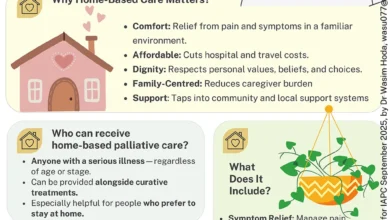
Questions regarding the future of palliative care highlighted the growing trend of home-based care and its potential impact on hospital admissions. Eric Widera expressed concern about the rise of for-profit palliative care systems and their integration into geriatrics, suggesting a need for vigilance in advocating for patient-centered care within these models. Alex Smith offered an optimistic outlook, anticipating significant advances driven by increased NIH funding for palliative care research and the development of infrastructure like the Ascent Group, which supports early-career investigators.
Addressing Ageism in Healthcare:
The persistent issue of ageism was explored, with listeners asking how it manifests and how to combat it. Alex Smith drew parallels between the allocation of scarce resources and ageist biases, referencing the "fair innings" argument and its potential to reinforce stereotypes. Eric Widera pointed out instances of ageism in clinical practice, such as the overestimation of cognitive impairment in older adults, often exacerbated by a lack of essential aids like hearing devices. Both emphasized the importance of critically examining diagnostic reasoning for age-related biases.
The Role of Spirituality in Care:
Bobby Fleck, a palliative care chaplain, posed a question about the influence of faith and spirituality on their work. Widera, an atheist, stressed the critical importance of exploring patients’ spiritual and religious beliefs, recognizing their profound impact on decision-making and coping mechanisms. Smith shared his personal journey with Unitarian Universalism and his early research on end-of-life spirituality, underscoring the fundamental human need to grapple with life’s deepest questions.
The Future of Geriatrics and the Importance of Reimbursement:
Sabrina Freitas asked for insights into the future of geriatrics and advice for aspiring medical students. Widera encouraged students to enter the field, citing the growing patient population and the significant need for geriatric expertise. He expressed optimism about the infusion of geriatric principles into various medical specialties, including oncology, and highlighted the increasing inclusion of geriatric principles in medical school curricula. Smith echoed this optimism, attributing it to the aging demographic and the growing recognition of geriatrics’ value by policymakers. However, both acknowledged the persistent challenge of reimbursement disparities, which can deter medical students from pursuing geriatrics.
Artificial Intelligence in Healthcare:
A question from Margo Smith, Alex Smith’s mother, brought the discussion to the burgeoning role of Artificial Intelligence (AI) in healthcare. Alex Smith expressed growing disillusionment with AI, particularly its use in academic writing and the potential for "deskilling" critical thinking. He voiced concerns about the "hallucinations" and unreliability of AI-generated information in clinical practice, drawing parallels to past experiences with social media and electronic health records. Widera added that while AI can be useful for retrieving established research, its accuracy falters with more nascent or debated topics, potentially referencing unreliable sources. Both agreed that while AI integration is likely inevitable, a cautious approach and critical evaluation are paramount.
Advanced Care Planning and Serious Illness Communication:
Sean Morrison raised a provocative question about the efficacy of advanced care planning, comparing it unfavorably to gabapentin. Eric Widera conceded that gabapentin’s effectiveness is often overstated but defended the value of advanced care planning, particularly in selecting healthcare surrogates and engaging in serious illness conversations. Alex Smith pointed out the structural bias towards measuring advanced care planning documentation, suggesting a shift towards measuring more impactful outcomes like quality of communication and patient-reported preparedness.
The Impact of the COVID-19 Pandemic on Practice:
Ellen Rand’s question focused on lasting changes in guiding providers and families around interventions like ventilators, prompted by the pandemic. Widera highlighted the increased reliance on virtual communication tools like Zoom for goals-of-care conversations, a shift that has enabled broader family participation. Alex Smith acknowledged the critical need for more time-efficient tools and strategies for serious illness conversations within the emergency department setting, recognizing the inherent time constraints of emergency medicine.
Medical Aid in Dying and Access to Supportive Services:
Joanne Lynn raised concerns about older adults hastening their deaths due to a lack of supportive services. Eric Widera acknowledged the passionate debate surrounding medical aid in dying and voluntary cessation of eating and drinking, noting that while he doesn’t perform these procedures, he understands their appropriateness in certain contexts. He also highlighted concerns about potential "slippery slope" arguments and the expansion of eligibility criteria. Alex Smith shared his initial reservations about medical aid in dying in California, given the state’s diversity, but acknowledged that the implementation has been relatively smooth. Both emphasized the importance of robust community support services to prevent individuals from feeling that hastening death is their only option.
Palliative Care in the Emergency Department:
Allison Silvers inquired about the slow adoption of palliative care in emergency departments. Alex Smith attributed this to both structural and cultural factors, noting the time-intensive nature of palliative care conversations and the limited time available in emergency settings. He also pointed to a growing culture shift within emergency medicine towards recognizing the importance of palliative care principles. Eric Widera concurred, stressing that systemic changes, beyond mere training, are necessary to integrate palliative care effectively into the emergency department.
Lightning Round and Future Aspirations
The episode concluded with a "lightning round" of rapid-fire questions, celebrating the podcast’s past and looking towards the future. When asked about dream celebrity guests for the next 100 episodes, Alex Smith nominated U.S. Surgeon General Vivek Murthy, while Anne Kelly suggested Brad Pitt or Dolly Parton. The hosts also discussed potential additions to the podcast experience, with ideas ranging from live streaming events to musical collaborations.
As the GeriPal Podcast embarks on its next hundred episodes, the commitment to providing valuable insights and fostering dialogue within the geriatric and palliative care community remains steadfast. The journey from discussing bed alarms with a guitar to engaging in spicy debates with a global audience demonstrates a decade of dedication to advancing the well-being of older adults and those facing serious illness.
Related posts: