
The landscape of cancer treatment often presents patients and their families with a stark dichotomy: the fervent hope for a cure or the profound need for a dignified end-of-life experience. This dualistic reality was brought into sharp focus during the challenging journey of the author’s uncle, who bravely battled prostate cancer. His experience underscored the indispensable role of palliative care services, a critical component of holistic healthcare that addresses the multifaceted suffering—physical, emotional, and financial—experienced by individuals confronting this devastating disease. The author’s personal narrative, originally published in The Tribune, highlights how palliative care, when effectively implemented, offers a profound service to humanity by alleviating suffering at its most vulnerable points.
The Unfolding Battle: From Aggressive Treatment to Palliative Support
The author’s uncle, a fighter throughout his ordeal, underwent rigorous treatment for prostate cancer at the Shaukat Khanum Hospital in Lahore. This treatment regimen included intensive chemotherapy and radiotherapy, standard modalities aimed at combating the malignancy. However, despite these aggressive interventions, the cancer proved relentless, spreading with alarming speed and leading to a rapid deterioration of his health. Within a remarkably short period, his physical form was dramatically altered, yet his indomitable spirit persisted until his final moments.
It was during this critical phase that palliative care became an integral part of his treatment plan. A dedicated team, comprising specially trained nurses and a palliative medicine consultant, was instrumental in managing his symptoms and providing much-needed relief from his suffering. The emphasis was on treating him not merely as a patient, but as a human being, with a primary focus on preserving his dignity.
A particularly poignant memory recounted by the author illustrates the profound impact of this human-centered approach. Even when the uncle was unresponsive, a nurse continued to communicate with him, informing him of her actions as she gently cleaned his face, eyes, and mouth. In an environment of profound loss and overwhelming hopelessness, this personalized and compassionate care offered a crucial source of comfort to the grieving family. The hospital’s commitment to ensuring that his final moments were peaceful, free from unnecessary distress, served as a testament to the power of palliative care in maintaining dignity even as the disease ultimately claimed his life.
The Critical Shortage of Palliative Care Expertise in Pakistan
The author’s personal experience also brings to light a significant systemic challenge within Pakistan’s healthcare infrastructure: the severe scarcity of palliative medicine consultants. The article explicitly states that "Our country only has a handful of palliative medicine consultants." This limited availability of specialized expertise poses a critical barrier to providing adequate palliative care to the vast number of patients who would benefit from it.
Palliative care is not merely about end-of-life comfort; it is a specialized field that aims to improve the quality of life for patients and their families facing the problems associated with life-threatening illness, through the prevention and relief of suffering by means of early identification and impeccable assessment and treatment of pain and other problems, physical, psychosocial and spiritual. The World Health Organization (WHO) defines palliative care as an approach that improves the quality of life of patients and their families facing the problems associated with life-threatening illness, through the prevention and relief of suffering by means of early identification and impeccable assessment and treatment of pain and other problems, physical, psychosocial and spiritual.
Given the growing burden of non-communicable diseases, including cancer, in Pakistan, the demand for palliative care services is expected to rise significantly. According to the Pakistan National Cancer Control Programme, cancer is a major public health challenge in the country, with an estimated incidence of over 150,000 new cases annually. Many of these patients will experience significant pain and distress, making palliative care an essential component of their overall treatment journey.
The Urgency of a Call to Action for Medical Professionals
Recognizing the immense value of palliative care in alleviating suffering, the author makes a heartfelt appeal to young doctors in Pakistan. The plea is for them to consider specializing in this vital field of medicine, to dedicate their careers to serving humanity through the provision of compassionate and expert palliative care. This call to action stems directly from the profound impact observed during the uncle’s illness, where the presence of skilled palliative care professionals made a tangible difference in his final days and provided solace to his family.
The limited number of palliative care specialists means that many patients may not have access to the comprehensive support they need. This can lead to prolonged suffering, inadequate pain management, and a diminished quality of life during a critical period. Encouraging more medical graduates to pursue this specialization is crucial for building a robust palliative care infrastructure in Pakistan.
Understanding the Scope and Impact of Palliative Care
Palliative care is a multifaceted discipline that encompasses a broad range of interventions and philosophies. It is not synonymous with hospice care, although hospice is a component of palliative care. Palliative care can be initiated at any stage of a serious illness, concurrently with curative treatments, and aims to:
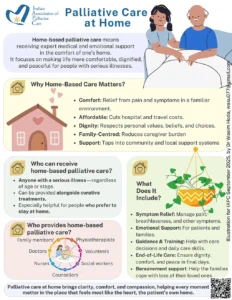
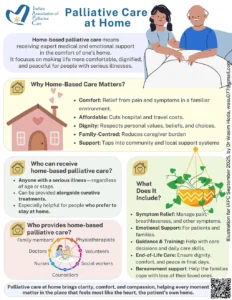
- Pain and Symptom Management: Effectively control pain, nausea, breathlessness, fatigue, and other distressing symptoms. This often involves pharmacological interventions, as well as non-pharmacological approaches.
- Psychosocial Support: Address the emotional, psychological, and social needs of patients and their families. This can include counseling, support groups, and assistance with coping mechanisms.
- Spiritual Care: Provide support for patients’ spiritual and existential concerns, respecting their beliefs and values.
- Advance Care Planning: Facilitate discussions about future care preferences, ensuring that patients’ wishes are respected.
- Caregiver Support: Offer guidance and support to family members and informal caregivers who are often experiencing significant emotional and practical burdens.
The benefits of accessible and high-quality palliative care are well-documented globally. Studies have shown that palliative care can lead to:
- Improved Patient Satisfaction: Patients receiving palliative care report higher levels of satisfaction with their care.
- Reduced Hospital Readmissions: Effective symptom management can prevent unnecessary hospitalizations.
- Better Quality of Life: Patients experience less pain and distress, leading to an improved overall quality of life.
- Reduced Healthcare Costs: By preventing complications and unnecessary hospitalizations, palliative care can contribute to cost savings in the healthcare system.
- Enhanced Bereavement Support: Families who receive support through palliative care often experience a more manageable grieving process.
The Global Context and Pakistan’s Palliative Care Landscape
Globally, the recognition of palliative care’s importance has been growing. The World Health Assembly has passed resolutions calling for the integration of palliative care into national health systems. However, access remains highly inequitable, with a significant proportion of patients worldwide not receiving the care they need, particularly in low- and middle-income countries like Pakistan.
In Pakistan, the development of palliative care services has been gradual. While some leading institutions like Shaukat Khanum Memorial Cancer Hospital and Research Centre have integrated palliative care into their services, the widespread availability across the country is still a distant goal. The shortage of trained professionals, limited funding, and a lack of public awareness are key challenges that need to be addressed.
The author’s personal account serves as a powerful illustration of the human impact of this disparity. The positive experience at Shaukat Khanum Hospital, attributed to their palliative care team, stands in contrast to the potential lack of such specialized support for many others.
Implications and the Path Forward
The author’s heartfelt plea to young doctors to consider palliative medicine is not just a personal sentiment; it is a strategic imperative for the future of healthcare in Pakistan. Investing in the training and development of palliative care professionals is essential for several reasons:
- Addressing the Growing Disease Burden: As Pakistan grapples with an increasing prevalence of chronic and life-limiting illnesses, the demand for palliative care will only intensify.
- Upholding Human Dignity: Palliative care is a fundamental aspect of ethical healthcare, ensuring that all individuals, regardless of their prognosis, are treated with compassion and respect.
- Strengthening the Healthcare System: Integrating palliative care into mainstream healthcare can lead to more efficient resource allocation and improved patient outcomes.
- Fostering a Culture of Compassion: Encouraging specialization in palliative care can cultivate a healthcare workforce that prioritizes empathy and holistic patient well-being.
To support this vision, several initiatives could be considered:
- Increased Funding for Palliative Care Training: Government and private sector investment in specialized training programs and fellowships for palliative medicine is crucial.
- Curriculum Integration: Incorporating palliative care principles and practices into undergraduate and postgraduate medical curricula can raise awareness and encourage early interest.
- Public Awareness Campaigns: Educating the public about the benefits and availability of palliative care can help destigmatize the concept and encourage patients and families to seek these services.
- Policy Development and Implementation: Governments can play a vital role by developing and implementing national palliative care policies that outline standards of care, funding mechanisms, and integration strategies.
- Interdisciplinary Collaboration: Fostering strong collaboration between palliative care teams and other medical specialties is essential for seamless patient care.
The original article, published in The Tribune, serves as a powerful reminder that beyond the clinical battle against disease, the human experience of suffering and the pursuit of dignity are paramount. The author’s uncle’s journey, though marked by tragedy, also illuminated the profound difference that dedicated palliative care can make. By heeding the author’s call to action and addressing the systemic challenges, Pakistan can move towards a future where no patient has to face their final journey without the solace and support of comprehensive palliative care. The hope for a cure remains, but the hope for a dignified end, facilitated by expert and compassionate palliative care, is a fundamental human right that must be accessible to all.
Related posts: