The Profound Impact of Palliative Care: A Personal Account of Dignity in the Face of Terminal Illness


The journey of a cancer patient navigates a spectrum of profound hope, stretching from the fervent aspiration for a cure to the equally vital aspiration for a dignified end-of-life experience. This dichotomy was starkly illuminated during the protracted battle my uncle waged against prostate cancer, a period that underscored the indispensable role of palliative care services. Cancer patients confront an overwhelming confluence of challenges, encompassing physical pain, profound emotional distress, and significant financial burdens. Consequently, the ability to alleviate suffering on any of these fronts represents a service of immeasurable value to humanity.
My uncle’s fight was characterized by remarkable bravery throughout his treatment regimen, which included intensive chemotherapy and radiotherapy at the Shaukat Khanum Hospital in Lahore. Despite these efforts, the cancer proved to be aggressively metastatic, leading to a rapid and devastating decline in his condition. Within a matter of days, his physical form was almost unrecognizable. Yet, his spirit, a testament to his inner strength, remained unbroken until his final moments. During this critical phase, his comprehensive treatment plan incorporated palliative care, a multidisciplinary approach involving a dedicated team of specially trained nurses and expert consultation from a palliative medicine physician. Their collective efforts were focused on meticulously managing his symptoms and ensuring his relief from pain and discomfort. He was offered a level of care that prioritized his humanity and, crucially, preserved his dignity. A moment etched indelibly in my memory is when a nurse, despite his unresponsiveness, continued to speak to him, gently informing him of her actions as she prepared to clean his face, eyes, and mouth. In that moment of profound loss and overwhelming hopelessness, the only solace I found stemmed from the deeply personalized and compassionate care he was receiving. The hospital’s commitment ensured that while cancer ultimately claimed his life, it did not succeed in stripping away his dignity, allowing his last breath to be taken in peace.
The Critical Shortage of Palliative Care Specialists in Pakistan
This deeply personal experience highlights a critical deficiency within Pakistan’s healthcare system: a severe scarcity of qualified palliative medicine consultants. The nation’s current provision of these specialized services is woefully inadequate, with only a handful of such experts available to serve a vast population. Considering the immense importance of skilled palliative care for individuals enduring suffering, I feel compelled to issue a heartfelt appeal to young doctors in Pakistan. I urge them to consider specializing in this vital field, recognizing it as a profound and impactful way to serve humanity. This is not merely a medical discipline; it is a calling to provide comfort, dignity, and support during life’s most challenging transitions.
Understanding Palliative Care: Beyond Symptom Management
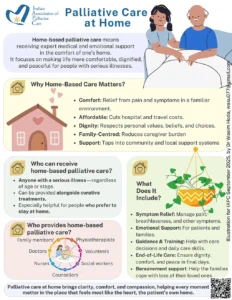
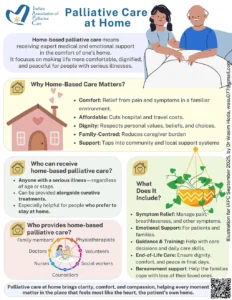
Palliative care, often misunderstood as solely end-of-life care, is a far broader and more comprehensive medical specialty dedicated to improving the quality of life for patients and their families facing serious illness. It is an active and compassionate approach that can be initiated at any stage of a serious illness, regardless of prognosis. The core philosophy of palliative care revolves around relieving suffering and enhancing comfort through the prevention and treatment of symptoms, both physical and psychosocial. This encompasses a wide range of issues, including pain, nausea, fatigue, breathlessness, anxiety, depression, and spiritual distress.
The World Health Organization (WHO) defines palliative care as an approach that improves the quality of life of patients and their families facing the problems associated with life-threatening illness through the prevention and relief of suffering by means of early identification and impeccable assessment and treatment of pain and other problems, physical, psychosocial and spiritual.
The Global Landscape of Palliative Care
Globally, the recognition of palliative care’s importance has grown significantly, yet access remains uneven. The Lancet Commission on Palliative Care and Pain Relief called for universal health coverage to include palliative care, highlighting that an estimated 40 million people worldwide require palliative care annually, with 78% of these living in low- and middle-income countries. Despite this immense need, access to essential palliative care services remains a distant reality for a significant majority. This global disparity underscores the urgency for increased investment, training, and integration of palliative care into mainstream healthcare systems.
The Pakistani Context: A Growing Need
In Pakistan, the healthcare landscape is characterized by a growing burden of non-communicable diseases, including cancer, cardiovascular diseases, and diabetes. These conditions often lead to chronic pain, debilitating symptoms, and significant emotional and financial strain on patients and their families. The limited availability of palliative care specialists in Pakistan means that a vast number of patients are likely experiencing preventable suffering. This situation is exacerbated by a lack of public awareness regarding the benefits of palliative care, leading many to perceive it solely as a last resort rather than an integral component of comprehensive medical treatment.
A Chronology of My Uncle’s Illness and Palliative Care Intervention
- Diagnosis and Initial Treatment: My uncle received a diagnosis of advanced prostate cancer. He embarked on a rigorous treatment course involving chemotherapy and radiotherapy at Shaukat Khanum Hospital in Lahore. This initial phase was marked by his resilience and determination to fight the disease.
- Disease Progression and Deterioration: As the cancer progressed aggressively, his physical condition began to deteriorate rapidly. The effectiveness of curative treatments waned, and the focus shifted towards managing his symptoms and ensuring his comfort.
- Introduction of Palliative Care: Recognizing the escalating suffering, the medical team at Shaukat Khanum Hospital integrated palliative care into his treatment plan. This involved a multidisciplinary team, including nurses with specialized training in symptom management and a palliative medicine consultant.
- Symptom Management and Dignity Preservation: The palliative care team focused on alleviating his physical discomfort, addressing issues such as pain, nausea, and fatigue. Simultaneously, they provided emotional and psychosocial support to both him and his family. A key aspect of this care was the unwavering commitment to preserving his dignity.
- The Nurse’s Compassionate Act: A poignant example of this dedication was witnessed when a nurse, despite his unresponsiveness, continued to communicate with him, explaining her actions as she cleaned his face, eyes, and mouth. This act of human connection, even in the absence of a conscious response, provided immense comfort to the family during a period of deep distress.
- Peaceful End-of-Life: Through the consistent and compassionate efforts of the palliative care team, my uncle was able to breathe his last in peace, his dignity intact. While the disease was relentless, the care he received ensured that his final moments were marked by comfort and respect.
The Broader Implications for Pakistan’s Healthcare System
The personal narrative of my uncle’s experience serves as a powerful microcosm of a larger, systemic issue within Pakistan. The scarcity of palliative care specialists has far-reaching implications:
- Increased Suffering: Patients with serious illnesses are likely experiencing preventable pain and distress due to the lack of access to specialized palliative care.
- Burden on Families: Without adequate support, families often bear the overwhelming responsibility of caring for terminally ill loved ones, leading to significant emotional, physical, and financial strain.
- Inefficient Resource Allocation: In the absence of palliative care, resources may be disproportionately allocated to aggressive curative treatments that offer limited benefit in advanced stages, while neglecting the crucial need for symptom management and comfort.
- Erosion of Patient Dignity: The lack of focus on end-of-life care can lead to a situation where patients’ dignity is compromised during their final days and weeks.
Recommendations and Future Directions
Addressing the critical shortage of palliative care professionals in Pakistan requires a multi-pronged approach:
- Integration into Medical Education: Palliative care principles and practices should be integrated into the curriculum of all medical and nursing schools across Pakistan. This will ensure that future healthcare professionals have a foundational understanding of its importance.
- Specialization and Training Programs: Establishing and expanding postgraduate training programs in palliative medicine is crucial. Incentives, such as scholarships and stipends, could encourage young doctors to pursue this specialty.
- Government Policy and Investment: The government must recognize palliative care as an essential component of universal health coverage and allocate dedicated funding for its development and expansion. This includes supporting the establishment of palliative care units in hospitals and community-based care programs.
- Public Awareness Campaigns: Initiatives to educate the public about the benefits of palliative care are vital. Dispelling myths and misconceptions will encourage patients and families to seek this type of support earlier in their illness trajectory.
- Collaboration and Partnerships: Fostering collaboration between government bodies, healthcare institutions, non-governmental organizations, and international palliative care organizations can accelerate progress and share best practices.
- Support for Existing Professionals: Providing ongoing professional development, access to resources, and a supportive work environment for existing palliative care professionals is essential to retain talent and prevent burnout.
The story of my uncle’s final journey is a poignant reminder of the profound difference that compassionate, specialized care can make during life’s most challenging moments. By investing in and prioritizing palliative care, Pakistan can move towards a future where all citizens, regardless of their circumstances, can face serious illness with dignity, comfort, and unwavering support. The call to action for young doctors to embrace this noble profession is not just an appeal for medical specialization; it is an invitation to participate in the most fundamental act of human kindness and service.
Related posts: