Navigating Safety: Essential Guidelines for Choosing the Right Medical Alert System for Seniors

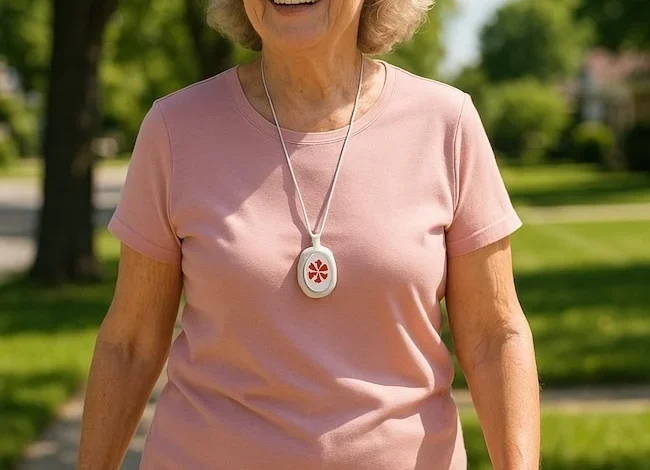
The global aging population continues to expand rapidly, bringing heightened urgency to the dialogue surrounding home safety, independence, and emergency preparedness. According to recent demographic data from the Administration for Community Living, the number of Americans aged 65 and older is projected to reach over 80 million by the year 2040. With this demographic shift, the demand for Personal Emergency Response Systems (PERS)—commonly known as medical alert systems—has surged. Selecting the appropriate device is no longer merely a convenience; for millions of seniors aging in place and the family members who care for them, it can represent the literal difference between life and death.
The modern landscape of medical alert technology has evolved far beyond the traditional, clunky landline-connected buttons of the past. Today’s marketplace features sophisticated wearables equipped with global positioning systems (GPS), automatic fall detection sensors, cellular connectivity, and integration with modern smart-home ecosystems. However, navigating this vast array of features, pricing structures, and technological specifications can overwhelm even the most diligent caregivers. To simplify this critical decision-making process, industry experts and eldercare advocates recommend evaluating five core areas: system architecture, fall detection capabilities, monitoring infrastructure, financial commitment, and ergonomic usability.
Evolution and Background of Personal Emergency Response Systems
The concept of the personal emergency response system originated in the 1970s, designed primarily to assist homebound elderly individuals who experienced sudden medical crises or falls. For decades, these systems relied on a simple base station plugged into a traditional copper-wire telephone jack, paired with a waterproof pendant worn around the neck or wrist. While revolutionary for its time, the traditional PERS model suffered from significant limitations: users were strictly bound to a narrow radius within their homes, and the infrastructure was vulnerable to power failures or the widespread phase-out of analog landlines.

Over the past fifteen years, the advent of ubiquitous cellular networks, miniaturized GPS chips, and advanced micro-electro-mechanical systems (MEMS) sensors revolutionized the industry. The transition from landline dependency to cellular-based infrastructure eliminated geographic boundaries, allowing active seniors to maintain safety nets while driving, gardening, or traveling. Furthermore, the integration of multi-axis accelerometers and gyroscopes enabled devices to autonomously detect kinetic impacts indicative of a fall, addressing a critical vulnerability: seniors who lose consciousness or become incapacitated during a fall and cannot press a manual distress button.
1. Determining System Architecture: In-Home Versus Mobile and Hybrid Solutions
The foundational step in selecting a medical alert system requires an honest assessment of the user’s daily mobility patterns and lifestyle habits. Industry analysts categorize these solutions into three primary configurations:
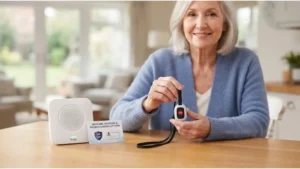
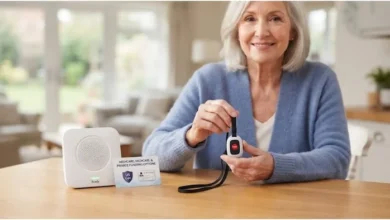
- In-Home Systems: These traditional setups utilize a primary base station tethered to a cellular network or landline, communicating via radio frequency with wearable pendants. The effective range typically extends between 800 and 1,400 feet, making them ideal for homebound seniors or those with limited mobility who rarely leave the premises without a caregiver.
- Mobile and GPS Systems: Designed for active older adults who drive, run errands, or enjoy outdoor recreation, these cellular-enabled pendants or smartwatches leverage nationwide cellular networks and advanced GPS tracking. They ensure continuous protection away from the residence, providing dispatchers with precise geographic coordinates in the event of an emergency.
- Hybrid Solutions: A growing segment of the market bridges the gap between stationary and mobile needs. These setups feature portable base units or cellular-connected pendants that operate reliably within multi-story apartment complexes or suburban properties alike, accommodating modern housing structures that frequently lack traditional landline infrastructure.
When evaluating coverage, safety experts emphasize the importance of testing signal strength across all frequently visited areas of a home, including basements, detached garages, and backyards, to prevent blind spots where emergency transmissions might fail.
2. Evaluating Automatic Fall Detection Technology
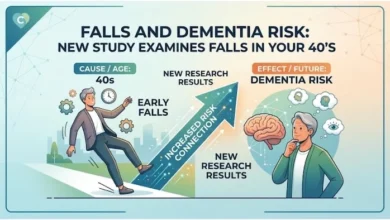
Falls remain a leading cause of fatal and non-fatal injuries among older adults. According to statistics compiled by the Centers for Disease Control and Prevention (CDC), over one in four older adults fall each year, resulting in millions of emergency department visits. Consequently, automatic fall detection has emerged as one of the most sought-after technological upgrades in the PERS market.

Automatic fall detection relies on internal algorithms processed by accelerometers and gyroscopes embedded within the wearable device. When the sensor detects a sudden change in altitude coupled with an abrupt impact, the device automatically initiates a call to the monitoring center without requiring manual activation.
Despite its life-saving potential, consumers must weigh certain operational nuances. Fall detection technology is not infallible; sudden drops that do not result in a fall can occasionally trigger false alarms, while slow, sliding descents might not register with sufficient kinetic force to activate the sensor. Additionally, providers typically assess a separate monthly surcharge for fall-detection-enabled hardware. Industry stakeholders recommend assessing the user’s historical fall risk, balance issues, and cognitive status when determining whether the additional investment is warranted.
3. Monitoring Infrastructure and Response Protocols
The true value of any medical alert system lies in the efficiency, reliability, and responsiveness of its underlying monitoring service. When an emergency button is pressed or a fall is detected, the device transmits a signal to a central monitoring facility staffed by trained operators.
Industry standards dictate that response times should ideally average under 30 seconds. During an incident, the monitoring operator communicates directly through the two-way speaker on the base station or wearable device to assess the situation, verify the user’s identity, and dispatch appropriate emergency medical services (EMS), local fire departments, or designated family contacts.

Furthermore, consumers must scrutinize the communication pathway of the monitoring center. Systems reliant exclusively on traditional copper landlines face risks during regional storms, grid failures, or service outages. Modern cellular-backed base stations equipped with internal lithium-ion battery backups ensure uninterrupted connectivity during blackouts, safeguarding the user when local infrastructure is compromised.
4. Financial Considerations, Upfront Costs, and Contract Terms
The financial commitment associated with medical alert systems varies widely across manufacturers, necessitating careful review of pricing tiers and contractual obligations. Average monthly fees generally range from $20 to $50, depending on whether the user selects a basic in-home landline package or a feature-rich mobile GPS system with integrated fall detection.
When conducting a cost-benefit analysis, consumers should evaluate several key financial components:
- Hardware Acquisition: Some companies provide equipment at no initial cost under the condition of an ongoing service agreement, whereas others require upfront retail purchases for specialized mobile watches or advanced base units.
- Contractual Flexibility: Consumer advocacy groups strongly advise avoiding long-term, binding multi-year contracts. Month-to-month subscription models offer necessary flexibility, allowing families to cancel or modify services if the senior’s living arrangements or health status changes.
- Hidden Fees: Potential buyers must check for activation charges, shipping fees, device return penalties, and supplemental costs for warranty protection plans or premium add-ons like lockboxes and mobile application alerts for caregivers.
5. Ergonomics, Wearability, and Usability Factors
Technology can only perform its intended function if the end-user is willing and able to wear or operate it consistently. Qualitative studies on eldercare technology adoption reveal that comfort, aesthetic appeal, and simplicity are paramount determinants of long-term compliance.

Wearables must be lightweight, waterproof—crucial for high-risk environments like bathrooms and showers—and unobtrusive. Bulky wristwatches or heavy pendants are frequently abandoned by seniors who find them uncomfortable or socially stigmatizing. Furthermore, battery life represents a critical operational metric: while traditional in-home pendant batteries can last for years without recharging, mobile GPS devices require frequent charging cycles, typically every 24 to 72 hours. Caregivers must establish reliable charging routines to prevent periods of vulnerability caused by depleted batteries.
Broader Implications and Future Outlook
As the intersection of healthcare technology and consumer electronics continues to evolve, medical alert systems are increasingly integrated into broader smart-home and telehealth frameworks. Innovations such as voice-activated artificial intelligence assistants, geofencing for individuals with cognitive impairments, and biometric health monitoring are transforming simple emergency buttons into comprehensive health-safety hubs.
Industry analysts predict that market competition will continue to drive down hardware costs while expanding feature accessibility. However, experts stress that technology must remain a supplement to, rather than a replacement for, human oversight and comprehensive caregiving strategies. By carefully analyzing system types, fall detection accuracy, monitoring reliability, total cost of ownership, and ergonomic design, seniors and their families can make empowered, informed decisions that preserve independence while ensuring robust safety nets for the years ahead.