The Hidden Crisis: How Medical Debt and Rising Health Care Costs Continue to Burden American Families

The persistent and escalating financial burden of health care in the United States remains a defining economic anxiety for millions of families, consistently ranking at or near the top of public financial worries. Despite broad access to various forms of medical coverage, comprehensive polling and public health data underscore a grim reality: the sheer cost of medical care, health insurance premiums, prescription drugs, and long-term support services is forcing widespread sacrifices. From skipping essential doctor visits and rationing medications to accumulating insurmountable medical debt, individuals across all demographics—including those with private insurance and stable incomes—are increasingly vulnerable to the systemic costs of staying healthy.
Economic Anxieties and the Affordability Crisis
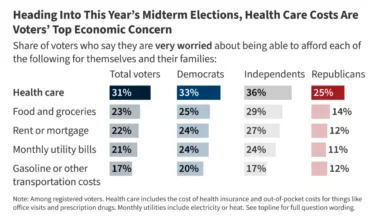
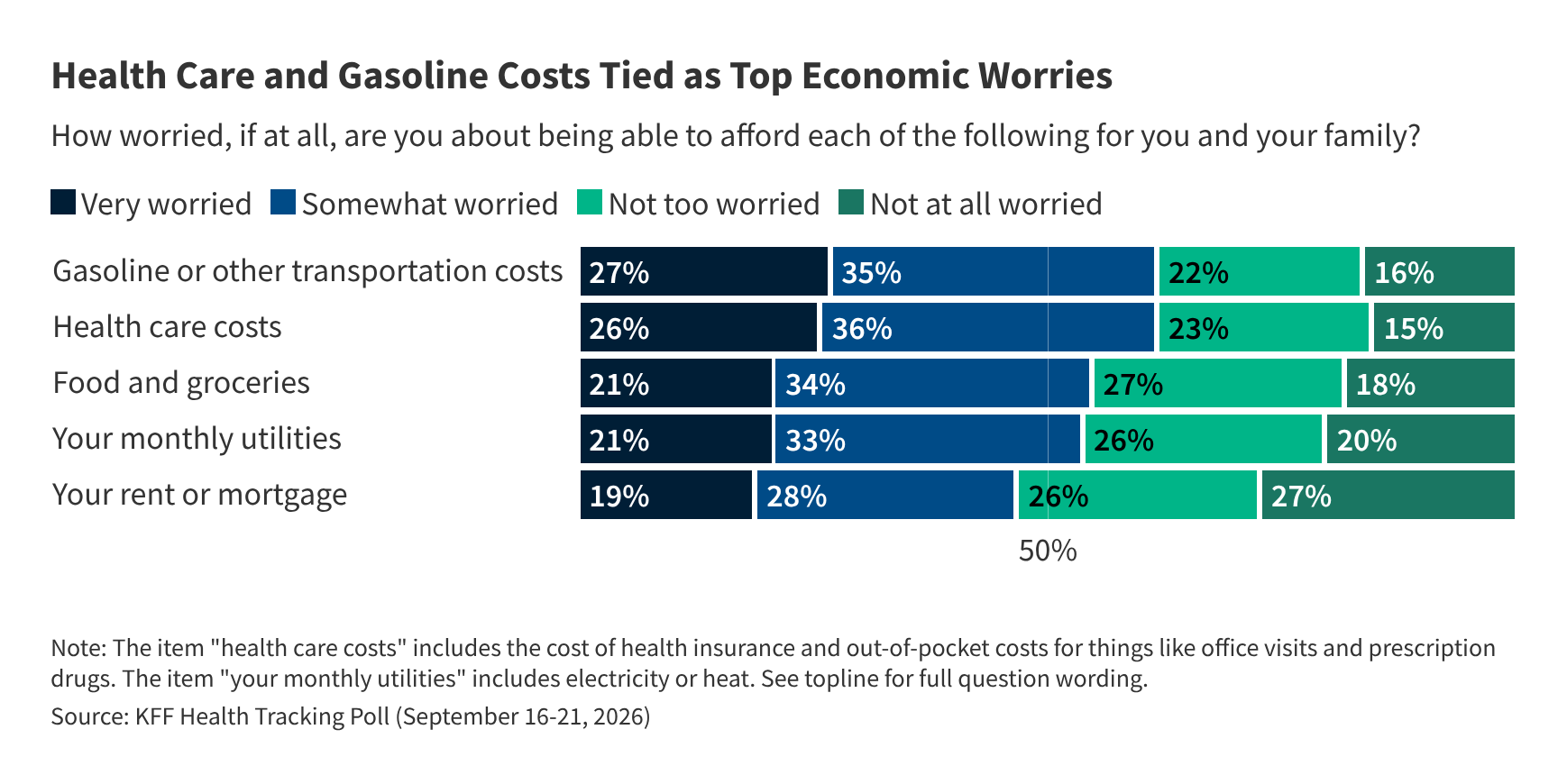
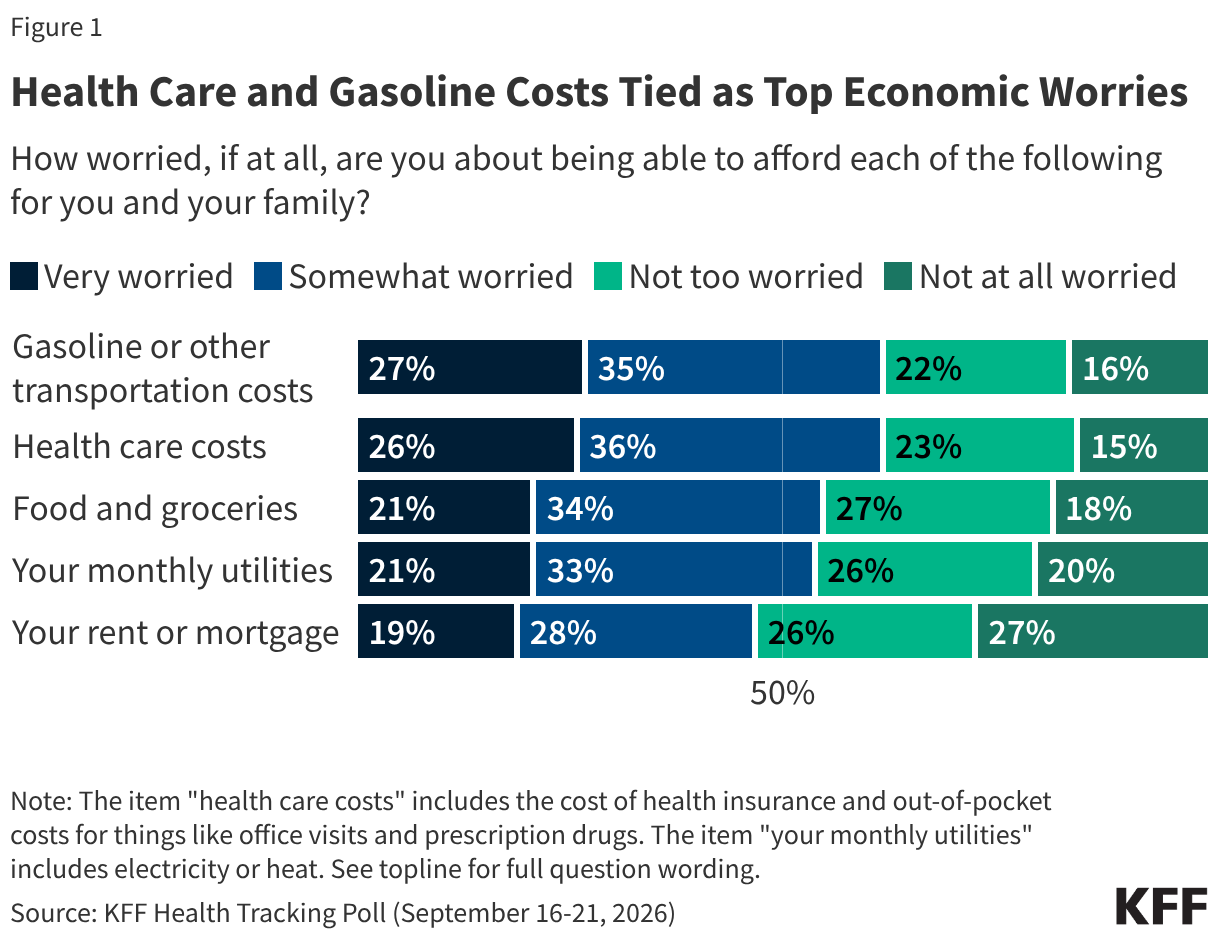
As the United States navigates the political and economic landscape of the mid-2020s, health care affordability maintains its grip as a primary household stressor. Public tracking data leading up to the 2026 midterm elections highlights that approximately six in ten adults remain "very" or "somewhat" worried about their capacity to afford medical care, prescription drugs, and insurance premiums for themselves and their families. This level of economic anxiety outpaces worries surrounding other foundational household expenses, such as utility bills, food, groceries, and housing costs.
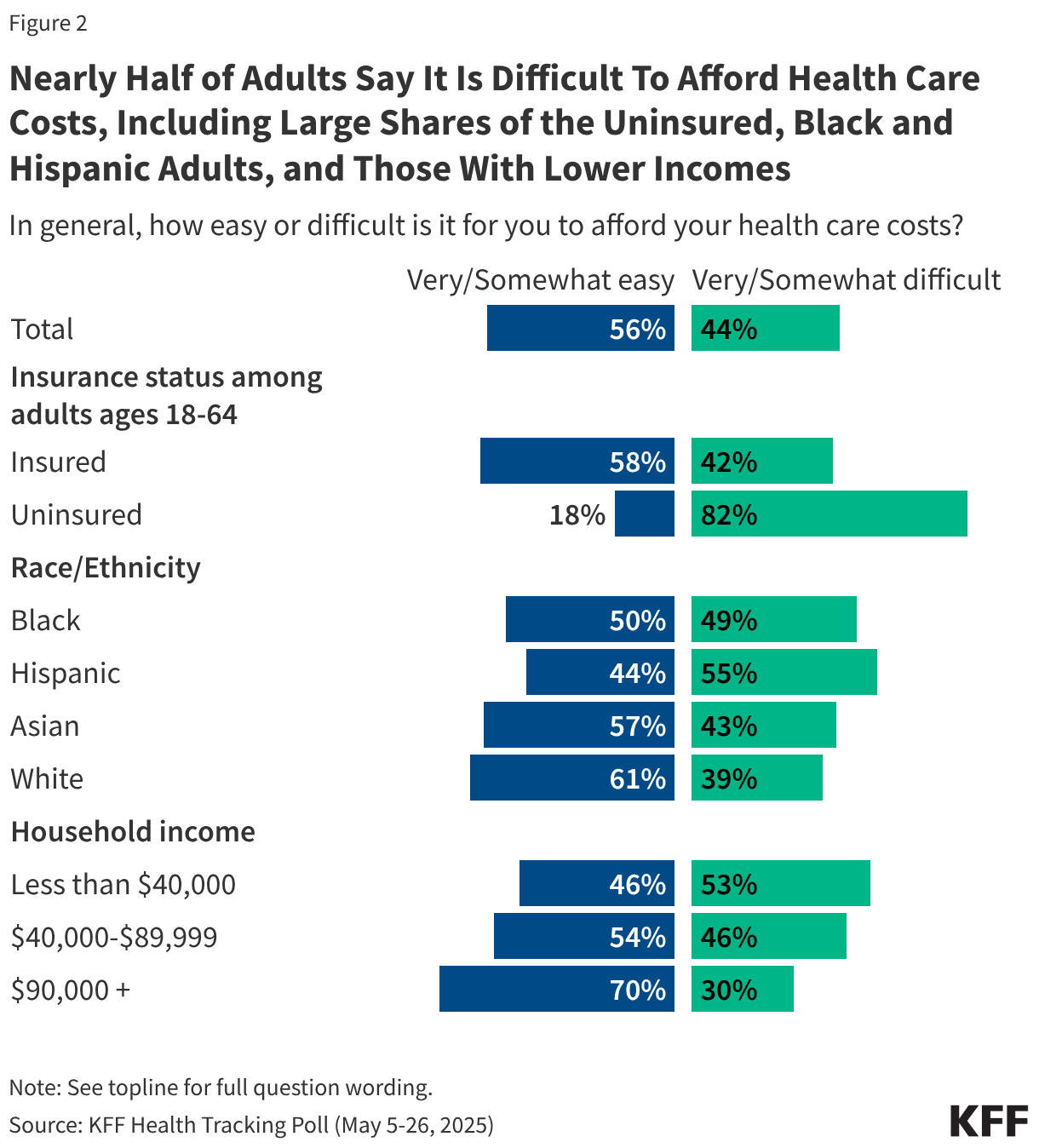
While uninsured individuals face the most acute distress—with roughly 82% expressing apprehension—the crisis is far from isolated. Over six in ten insured adults under the age of 65 share similar concerns. This cross-cutting worry transcends partisan lines and insurance types, indicating a systemic flaw in how medical expenses are absorbed by consumers. Nearly half of all U.S. adults explicitly report that paying for health care is difficult. Demographic disparities further compound this issue: Hispanic and Black adults report disproportionately higher rates of financial strain compared to their White counterparts, and households with annual incomes under $40,000 face severe obstacles in maintaining basic medical access.
Chronology and Evolution of the Health Care Debt Crisis
The trajectory of medical debt in America has evolved from an individual misfortune into a widespread macroeconomic challenge over the past decade.
- December 2021: Long-standing KFF polling firmly establishes that health care costs represent the premier financial worry for American adults, dictating decisions regarding insurance enrollment and delayed medical treatments.
- June 2022: A landmark collaborative investigation by KFF Health News and NPR, titled Diagnosis Debt, reveals the staggering scope of the issue. The accompanying KFF Health Care Debt Survey exposes that 41% of U.S. adults carry some form of medical or dental debt, triggering heightened national scrutiny.
- July 2023 – June 2025: Ongoing tracking data documents a continuous upward trend in cost-saving measures among patients, particularly regarding the rationing of prescription medications and the deferral of routine care due to inflation and rising out-of-pocket expenses.
- October 2026: Updated polling reaffirms that despite legislative interventions and incremental policy adjustments, health care costs remain the dominant financial worry for the American public, outranking standard inflation pressures.
The Human Toll: Delayed Care and Worsening Health
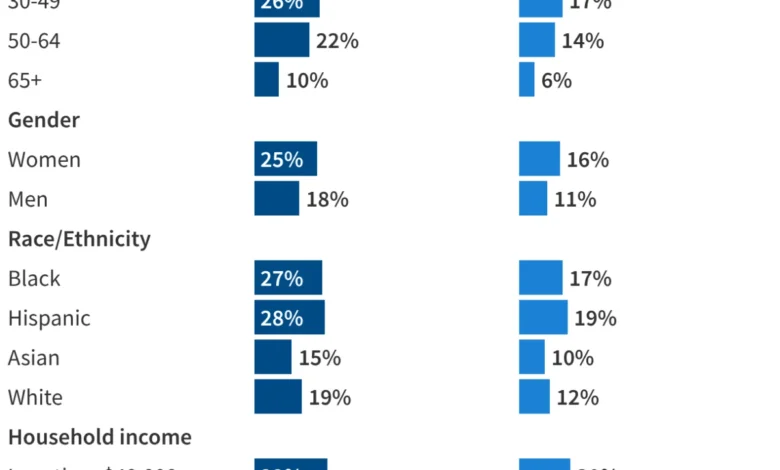
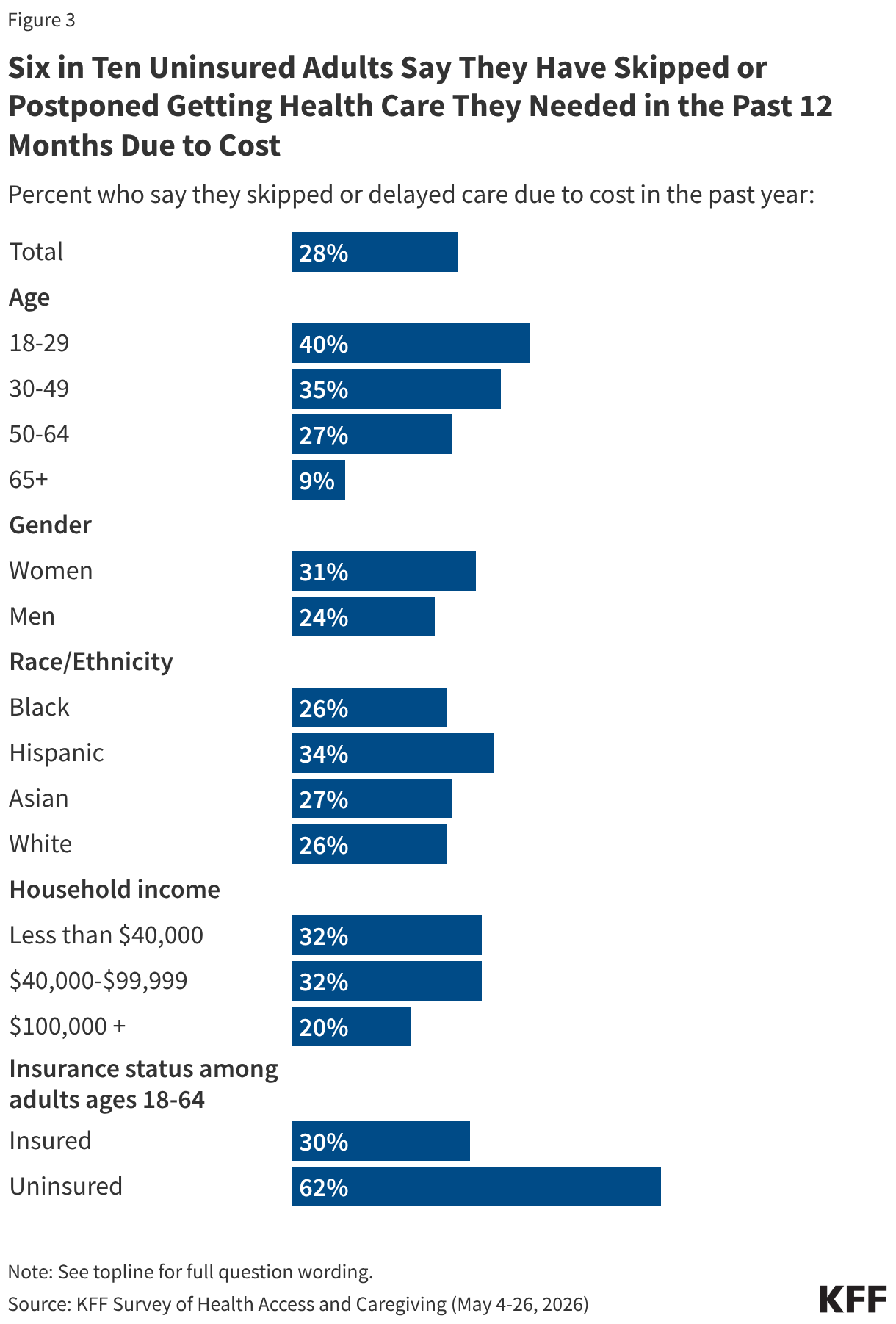
When health care becomes financially prohibitive, the immediate reaction for many is to forgo or postpone treatment. Roughly three in ten U.S. adults admit to skipping necessary medical care within a 12-month period due to cost considerations. Women, younger demographics, lower-income households, and Hispanic adults report these behaviors at elevated rates.
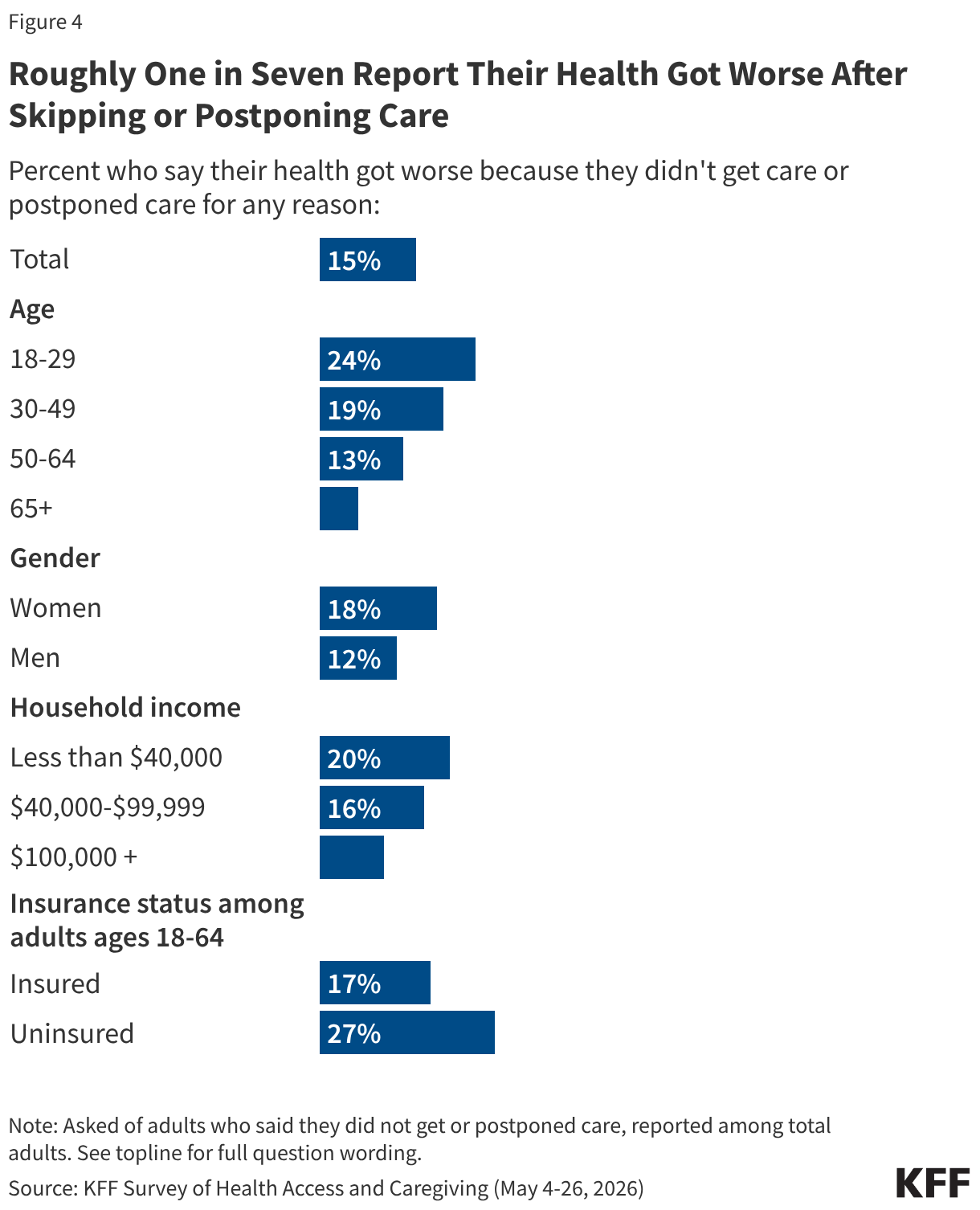
Crucially, having health insurance does not act as an absolute safeguard. Approximately 30% of insured adults aged 18 to 64 still report avoiding medical services because of out-of-pocket expenses. This delay in care frequently yields tangible, negative health consequences. Data indicates that about one in seven adults suffer a decline in overall health simply because they postponed or skipped treatment. Among the uninsured under 65, this figure jumps to 27%, and young adults under 30 are four times more likely than seniors—who largely benefit from Medicare—to experience a deterioration in health following delayed care.
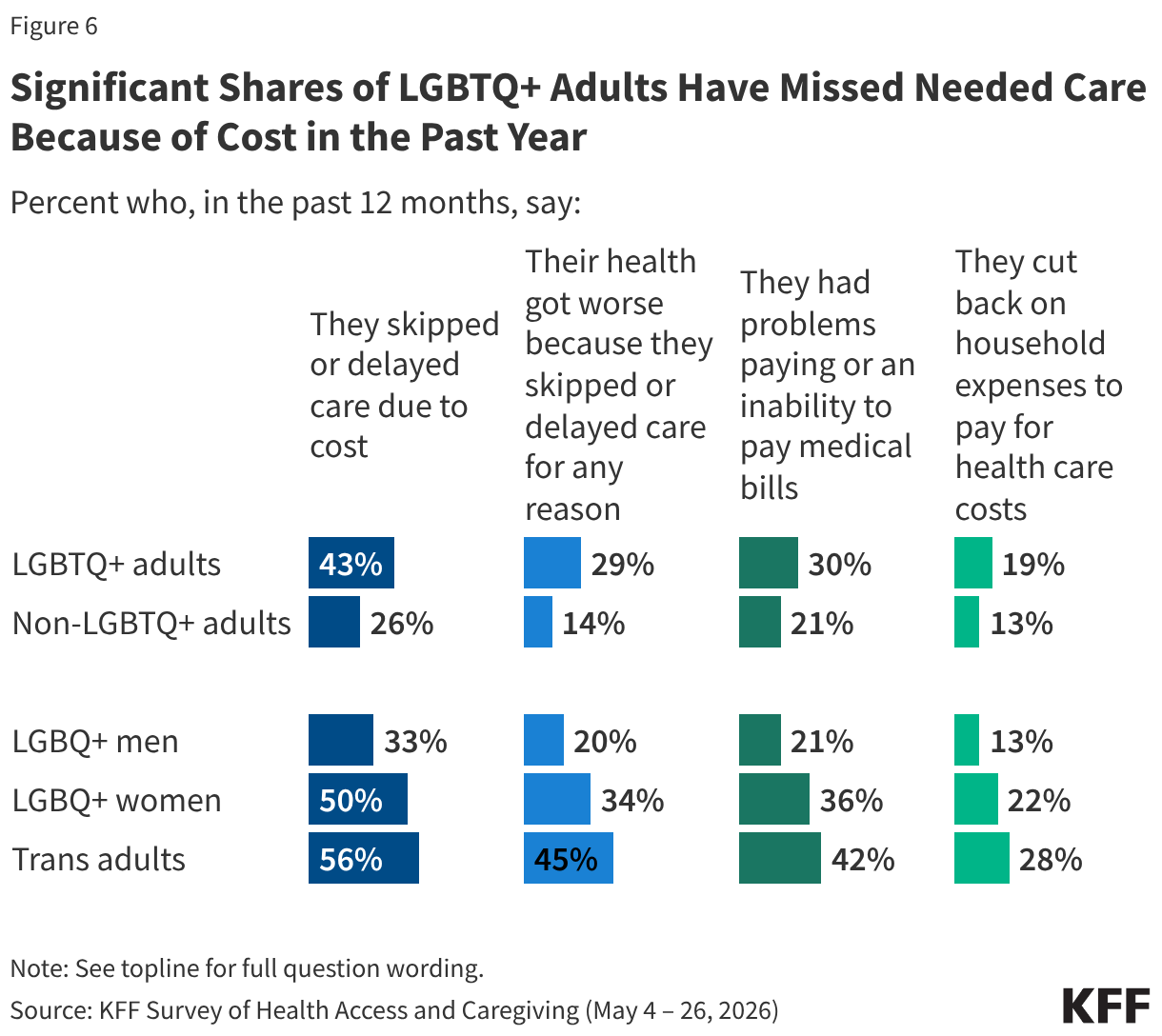
Vulnerable populations bear an even heavier burden. LGBTQ+ adults, who statistically skew younger and experience lower average incomes, report skipping care at nearly double the rate of non-LGBTQ+ populations, with transgender adults facing even more pronounced barriers to continuous care. Similarly, individuals managing multiple or complex chronic conditions—such as diabetes, cardiovascular disease, or cancer—frequently report that the cost of managing their illnesses forces dangerous compromises with their treatment regimens.
Prescription Drug Rationing and Consumer Coping Strategies
The prohibitive cost of pharmaceuticals has forced a troubling reliance on unsafe coping mechanisms. Roughly four in ten adults report utilizing at least one cost-cutting strategy regarding their prescriptions over a recent one-year period. This includes substituting prescription medications with over-the-counter alternatives, entirely forgoing the filling of a prescription, or dangerously splitting pills and skipping doses.
Lower- and middle-income households are disproportionately impacted by these choices. More than half of adults earning under $40,000 annually, as well as those earning between $40,000 and $90,000, report altering their medication intake due to financial strain. Women and Black adults also report higher frequencies of prescription rationing compared to their demographic counterparts. These behavioral trends reflect a perilous calculus where patients routinely gamble with chronic and acute disease management to preserve short-term household liquidity.
Insurance Dissatisfaction and the Mechanics of Medical Debt
While health insurance is designed to mitigate catastrophic health expenditures, many consumers find their policies wanting. Although a majority of insured adults give positive ratings to their plans regarding routine doctor visits and prescription copays, at least 30% rate their coverage as merely "fair" or "poor" across these metrics. Privately insured individuals—including those utilizing employer-sponsored plans or state and federal Marketplaces—frequently express greater dissatisfaction with monthly premiums and out-of-pocket thresholds than beneficiaries of Medicare or Medicaid, the latter of which typically features minimal or zero monthly premiums and nominal copays.
This structural inadequacy leaves millions exposed to unexpected medical bills. The KFF Health Care Debt Survey revealed that 41% of adults owe money for medical or dental bills incurred by themselves or dependents. This debt manifests in various ways: past-due bills owed directly to providers, installment plans, loans secured from banks or collection agencies, balances shifted onto high-interest credit cards, and informal loans from family and friends.
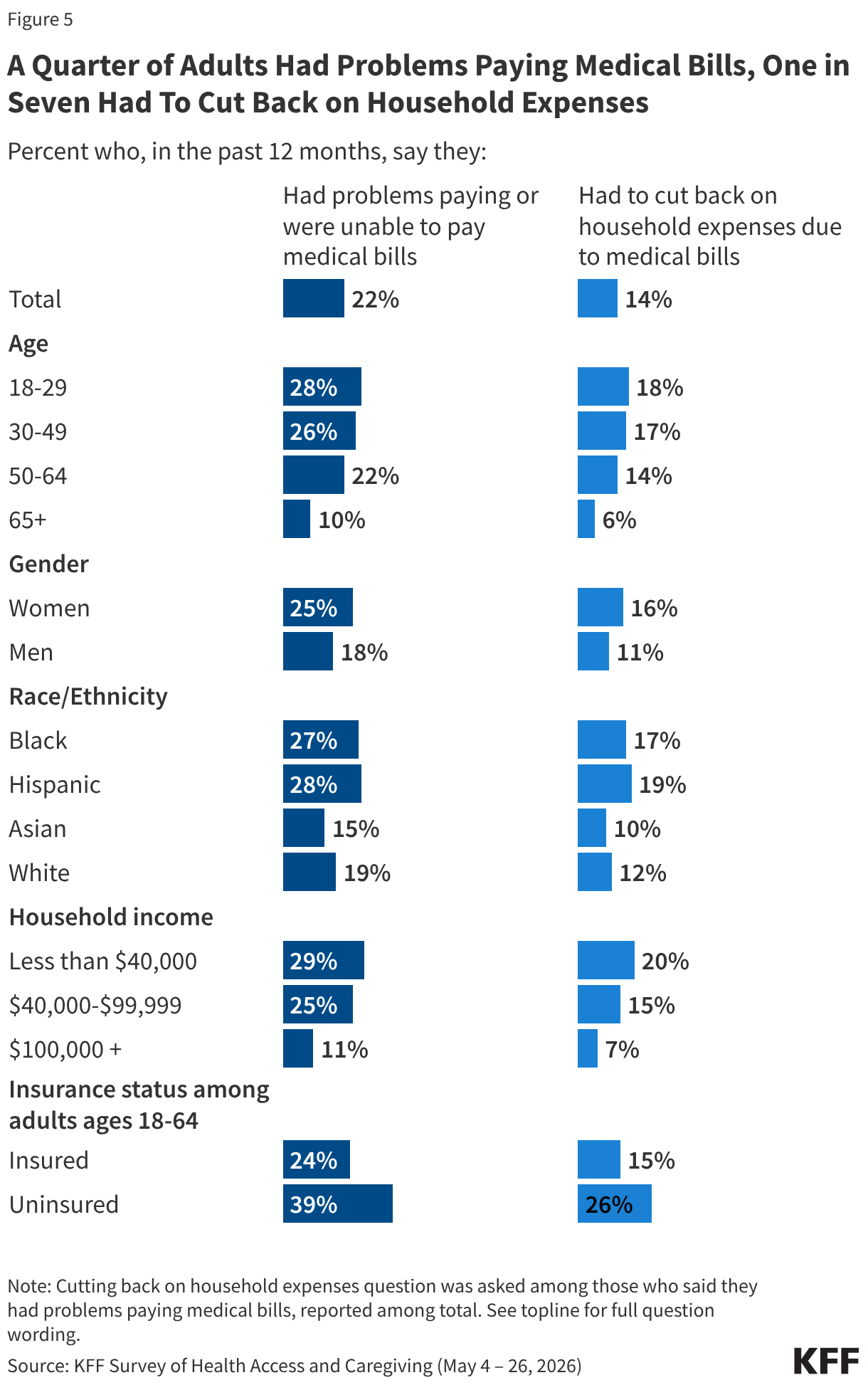
Furthermore, the American populace remains financially fragile regarding health emergencies. Approximately half of all U.S. adults state they would be incapable of absorbing a sudden, unexpected out-of-pocket medical bill of $500 without resorting to debt, borrowing, or failing to pay entirely. Women, lower-income earners, and people of color disproportionately report that such an expense would be insurmountable.
Broader Impact, Policy Implications, and Long-Term Care Anxieties
Beyond immediate medical debt, older Americans and those approaching retirement age face the compounding crisis of long-term care affordability. More than half of adults aged 65 and older express anxiety regarding their ability to finance a nursing home or assisted living facility, a sentiment shared by over 70% of adults aged 50 to 64. The prospect of funding professional in-home nursing or aide support similarly looms large as a potential source of destitution for aging households.
Public health analysts and economic experts suggest that the persistent burden of health care costs creates a drag on broader economic mobility. When a significant portion of the population is forced to cut back on basic household necessities, drain savings, or accumulate high-interest debt merely to access health care, consumer spending contracts and systemic financial insecurity deepens.
As lawmakers and healthcare administrators grapple with these realities, the data underscores that minor adjustments to insurance deductibles or prescription drug caps may be insufficient to resolve the foundational anxieties plaguing American patients. Without comprehensive structural reforms addressing the baseline cost of care, insurance adequacy, and medical debt relief, health care will likely remain a premier source of financial hardship and health disparities for the foreseeable future.
Related posts: