Celebrating Hospice and Palliative Medicine as the Fifth Largest Medical Subspecialty


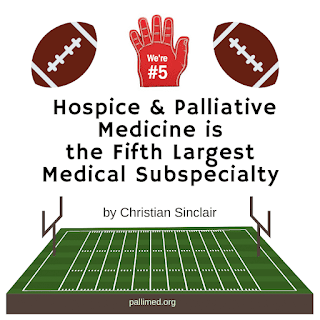
Recent data analyses of National Resident Matching Program (NRMP) fellowship match results have revealed a significant milestone within the medical community: Hospice and Palliative Medicine (HPM) has officially established itself as the fifth largest medical subspecialty in the United States. Trailing only behind cardiovascular disease, pulmonary and critical care medicine, hematology and oncology, and gastroenterology, HPM’s ascent in the national healthcare landscape challenges long-held perceptions about the specialty’s size, scope, and institutional footprint.
Despite this robust positioning within fellowship match metrics, practitioners and healthcare analysts note a persistent disconnect between statistical reality and professional perception. Informal surveys and internal evaluations indicate that many clinicians within the field continue to view HPM as a niche or peripheral discipline rather than a top-tier subspecialty. This visibility gap carries direct implications for healthcare staffing, resource allocation, and the integration of palliative care into comprehensive patient treatment models nationwide.
Evolution and Chronology of the Specialty
The formal recognition of Hospice and Palliative Medicine as an official medical subspecialty represents a relatively recent development in modern medicine. The journey toward formal institutional status gained critical momentum in the mid-2000s, marked by a formal announcement in June 2005 establishing HPM under recognized boards, with official clinical training programs and board certifications launching in 2008.

Entering its teenage years as a recognized medical discipline, HPM has experienced rapid structural growth. However, this velocity has outpaced the cultural perception of the specialty among both the general public and fellow medical professionals. Historically, palliative care emerged from the hospice movement, focusing heavily on comfort care near the end of life. Over the past two decades, the scope of HPM has expanded dramatically to encompass comprehensive symptom management, chronic disease integration, outpatient clinics, pediatrics, and community-based care models, functioning alongside primary treatment regimens rather than solely in terminal phases.
Analyzing the Fellowship Match Data
An examination of the December 2021 NRMP fellowship match data provides the empirical foundation for HPM’s new status. When tallying the total number of matched applicants across various subspecialties, HPM secured the fifth position nationally. This placement places it ahead of numerous well-established fields, including infectious disease, rheumatology, nephrology, and geriatrics.
Despite these impressive placement figures, fellowship programs in HPM face unique recruitment pressures. Nationally, fellowship slots have historically operated at approximately 85% capacity fulfillment, highlighting a systemic paradox: while HPM is statistically among the largest subspecialties by applicant volume, the absolute supply of graduating physicians still falls short of projected clinical demand. Healthcare economists and workforce analysts project an impending HPM physician shortage, driven by an aging national demographic and a rising prevalence of complex, chronic illnesses.
Factors Contributing to the Visibility Gap
Medical sociologists and healthcare administrators attribute the lag in perceived status to several distinct systemic and cultural factors:
- Professional Demographics and Culture: Practitioners within HPM are frequently characterized as collaborative, patient-centered, and understated. The field traditionally attracts clinicians who prioritize direct, empathetic patient engagement over institutional self-promotion.
- Geographic and Institutional Variability: Access to dedicated HPM physicians remains highly uneven across regional lines. While major academic medical centers and metropolitan health systems often feature robust, integrated palliative care departments, rural and community hospitals frequently lack dedicated HPM infrastructure. Consequently, patients and local providers in many regions experience a localized scarcity of the specialty.
- Institutional Framing: In numerous healthcare organizations, palliative medicine is still categorized as an auxiliary service or a "nice-to-have" amenity rather than an essential component of core clinical operations. Without adequate institutional resources, multidisciplinary team members, and administrative backing, HPM departments can remain under-resourced, limiting their institutional visibility.
Broader Impact and Implications for Healthcare Delivery
The formal recognition of HPM as the fifth largest subspecialty offers strategic opportunities for healthcare organizations, medical educators, and clinical leaders. Increased visibility carries the potential to rectify persistent administrative classification errors—such as HPM being omitted from standardized drop-down menus or relegated to "other" categories on professional intake forms.
Furthermore, acknowledging the numerical strength of HPM can bolster recruitment pipelines. By actively engaging medical students, internal medicine residents, and pre-med advisors with accurate data regarding the subspecialty’s scale and demand, academic medical centers can encourage higher enrollment in fellowship programs. Proponents argue that shifting the narrative from a scarce, marginal service to a major, high-volume medical subspecialty will attract diverse candidates with fresh research interests and specialized clinical skills.
As healthcare systems grapple with rising patient volumes and the imperative to deliver value-based, patient-centered care, the integration of robust palliative medicine infrastructure is increasingly viewed as vital to clinical efficiency and patient satisfaction. By shedding historical understatements and embracing its quantitative standing, the Hospice and Palliative Medicine community is positioned to secure a permanent, influential voice in shaping the future of modern healthcare policy and delivery.
Related posts: