The Profound Impact of Palliative Care on Cancer Patients’ Dignity and Well-being


The journey of a cancer patient often navigates a complex landscape, where hope can manifest in two seemingly opposite yet intrinsically linked forms: the aspiration for a cure or the profound desire for a peaceful and dignified end of life. This dual spectrum of hope was starkly illuminated during the extended battle of the author’s uncle against prostate cancer. His experience, culminating in the critical need for palliative services, underscored the indispensable role of specialized care in alleviating suffering on physical, emotional, and financial fronts. Providing such solace, irrespective of the stage of illness, stands as a monumental service to humanity.
A Fight Against Aggressive Cancer and the Emergence of Palliative Support
The author’s uncle, identified as a brave fighter, underwent rigorous treatment for prostate cancer at the Shaukat Khanum Hospital in Lahore. His regimen included chemotherapy and radiotherapy, standard interventions aimed at combating the disease. However, the malignancy proved exceptionally aggressive, leading to a rapid and irreversible deterioration in his health. Within a distressingly short period, his physical form changed dramatically, rendering him almost unrecognizable. Yet, throughout this harrowing ordeal, his indomitable spirit persevered until his final moments.
During this critical phase, his medical plan incorporated palliative care. This involved a dedicated team of specially trained nurses and consultation with a palliative medicine specialist. Their collective objective was to meticulously manage his symptoms, thereby mitigating his suffering and ensuring a measure of comfort. The care provided was deeply humanistic, prioritizing his inherent dignity above all else. A particularly poignant memory for the author was observing a nurse, even when the uncle was unresponsive, gently informing him of her actions: "I am going to wipe your face, clean your eyes, and swab your mouth." In an atmosphere of profound hopelessness, this personalized attention and respectful communication offered a crucial sliver of comfort during a period of immense loss. The hospital’s commitment ensured that while cancer ultimately claimed his life, it did not strip him of his dignity, allowing his last breath to be taken in peace.
The Critical Shortage of Palliative Care Expertise in Pakistan
This personal narrative highlights a significant and growing challenge within Pakistan’s healthcare system: the acute scarcity of palliative medicine consultants. The author’s observation that "Our country only has a handful of palliative medicine consultants" points to a critical gap in services that are vital for a large and increasing number of patients experiencing severe illness and suffering.
Palliative care, often misunderstood as solely end-of-life care, is a comprehensive medical specialty focused on providing relief from the symptoms and stress of a serious illness. The primary goal is to improve quality of life for both the patient and their family. This can involve managing pain, nausea, fatigue, and other distressing symptoms, as well as addressing psychological, social, and spiritual needs. It is an essential component of care at any stage of a serious illness, not just in the terminal phase.
Understanding the Scope and Impact of Palliative Care
Globally, the demand for palliative care is escalating due to several factors:
- Aging Populations: As global populations age, the incidence of chronic and life-limiting illnesses, such as cancer, heart disease, and neurodegenerative disorders, increases.
- Advances in Medical Treatment: While medical advancements have improved survival rates for many serious conditions, they often lead to longer periods of illness, necessitating ongoing symptom management and support.
- Recognition of Quality of Life: There is a growing societal and medical understanding that survival alone is not the sole measure of successful healthcare. The quality of life and the experience of suffering are equally, if not more, important for patients and their loved ones.
Data and Statistics: A Global and National Perspective
The World Health Organization (WHO) estimates that globally, only about 14% of people who need palliative care actually receive it. This figure is significantly lower in low- and middle-income countries, where the need is often greatest due to higher disease burdens and limited healthcare resources.
In Pakistan, the situation is particularly concerning. While precise, up-to-date national statistics on palliative care provision are scarce, anecdotal evidence and the author’s direct observation strongly suggest a critical deficit. The limited number of trained palliative care physicians and nurses means that many patients, like the author’s uncle, may only receive such specialized support when their condition is advanced and their suffering is at its most acute.
The Cost of Untreated Suffering
The lack of adequate palliative care has far-reaching consequences:
- Increased Patient Suffering: Untreated pain and other distressing symptoms can lead to prolonged physical and emotional agony for patients.
- Burden on Families: Family caregivers often bear a significant emotional, physical, and financial strain when patients do not receive adequate support. This can include managing complex medical needs at home, often without proper training or resources.
- Overburdened Healthcare Systems: Patients with poorly managed symptoms may require more frequent hospitalizations, emergency room visits, and prolonged stays, placing an additional burden on already stretched healthcare facilities.
- Erosion of Dignity: Without proper care and support, patients may experience a loss of dignity, autonomy, and control over their lives during their final stages.
The Call to Action: Cultivating a Future for Palliative Medicine in Pakistan
The author’s impassioned appeal to young doctors in Pakistan to consider specializing in palliative medicine is a crucial call to address this critical shortage. Choosing this field is presented not just as a career path, but as a profound act of service to humanity.
Why Palliative Medicine is a Rewarding and Essential Specialty:
- Direct Impact on Patient Well-being: Palliative care physicians have the unique opportunity to directly alleviate suffering and improve the quality of life for some of the most vulnerable patients.
- Holistic Care: The specialty embraces a holistic approach, treating the patient as a whole person, addressing not just physical symptoms but also emotional, social, and spiritual needs.
- Interdisciplinary Collaboration: Palliative care teams typically work collaboratively with other medical professionals, nurses, social workers, chaplains, and volunteers, fostering a supportive and comprehensive care environment.
- Meaningful Patient-Doctor Relationships: The nature of palliative care often allows for deeper, more meaningful relationships with patients and their families, built on trust and empathy.
- Addressing a Growing Need: With Pakistan’s demographic shifts and increasing prevalence of chronic diseases, the demand for palliative care professionals is set to rise exponentially.
Potential Strategies to Enhance Palliative Care in Pakistan:
To bolster palliative care services in Pakistan, a multi-pronged approach is necessary:
-
Education and Training:
- Curriculum Integration: Incorporating palliative care principles and basic symptom management into undergraduate and postgraduate medical education across all specialties.
- Specialized Training Programs: Establishing dedicated postgraduate training programs and fellowships in palliative medicine to increase the number of qualified specialists.
- Nurse Education: Developing specialized training modules for nurses in palliative care, as they often form the frontline of patient support.
-
Policy and Advocacy:
- Government Recognition and Funding: Advocating for government policies that recognize palliative care as an essential component of the healthcare system and allocate dedicated funding for its development and expansion.
- Integration into National Health Strategies: Ensuring palliative care is integrated into national health policies and strategies for chronic disease management and end-of-life care.
-
Infrastructure Development:
- Dedicated Palliative Care Units: Establishing dedicated palliative care units within larger hospitals, similar to the model at Shaukat Khanum Hospital.
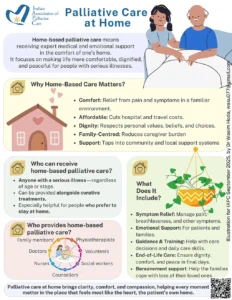
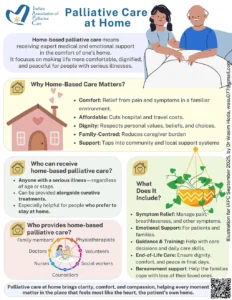
- Outreach Programs: Developing community-based palliative care services and home hospice programs to extend care to patients who cannot access hospital facilities.
- Mobile Palliative Care Teams: Deploying mobile teams to reach underserved rural populations.
-
Public Awareness Campaigns:
- Demystifying Palliative Care: Launching public awareness campaigns to educate the general population about the benefits and scope of palliative care, dispelling misconceptions that it is solely about "giving up."
- Promoting Advance Care Planning: Encouraging discussions about end-of-life preferences and advance care planning to empower patients and families.
The Broader Implications: A Societal Imperative
The story of the author’s uncle, while deeply personal, resonates with the experiences of countless individuals and families in Pakistan and across the globe. It underscores that a healthcare system’s strength is not only measured by its ability to cure diseases but also by its compassion and efficacy in managing suffering and upholding the dignity of those facing life-limiting illnesses.
The lack of sufficient palliative care specialists in Pakistan represents a significant public health challenge and a moral imperative. It is a call to action for medical professionals, policymakers, and society at large to recognize the profound value of this specialized field. By investing in palliative care education, training, and infrastructure, Pakistan can move towards a future where no patient has to suffer unnecessarily and where every individual can face the end of life with peace and dignity. The author’s plea to young doctors is not merely a suggestion but a vital invitation to shape a more compassionate and humane healthcare landscape for the nation. The journey of the author’s uncle, from aggressive illness to dignified peace, serves as a powerful testament to the transformative power of well-delivered palliative care.
Related posts: