Empowering Caregivers: How Artificial Intelligence Assistants Are Revolutionizing Support and Alleviating the Invisible Mental Load

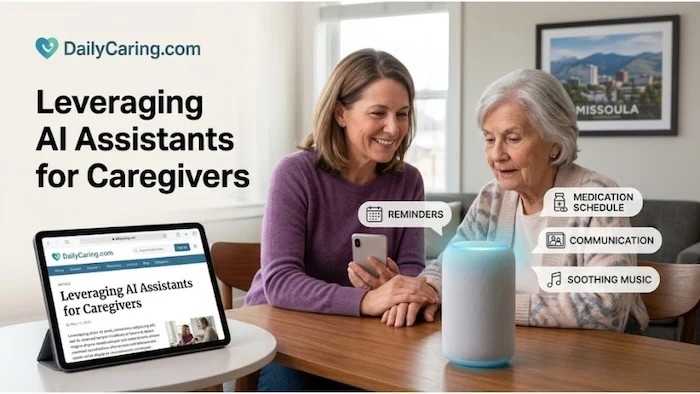
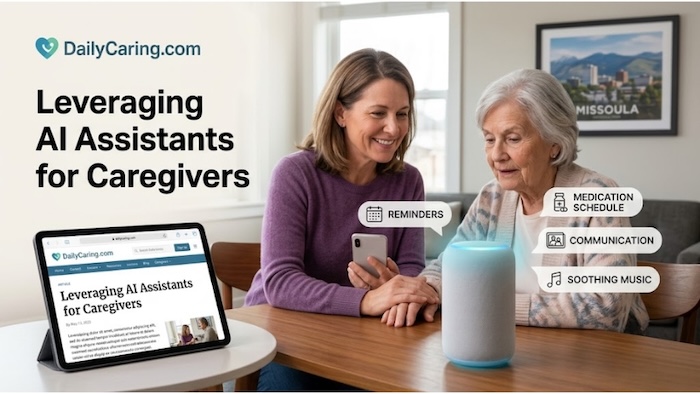
Being a family caregiver is an act of profound love, unwavering dedication, and, often, an overwhelming amount of responsibility that stretches beyond physical tasks into a pervasive cognitive burden. Caregivers tirelessly juggle myriad responsibilities, from managing complex medication schedules and coordinating frequent medical appointments to providing emotional support and handling household duties. This relentless pace frequently leads to personal sacrifice, impacting the caregiver’s own well-being. We acknowledge this immense pressure, recognizing that beneath the surface of daily duties lies an invisible yet crushing weight: the mental load. Fortunately, the advent of sophisticated Artificial Intelligence (AI) assistants offers a transformative pathway to mitigate this burden and enhance the overall quality of life for both caregivers and their loved ones.
The Caregiving Crisis and Its Invisible Burden
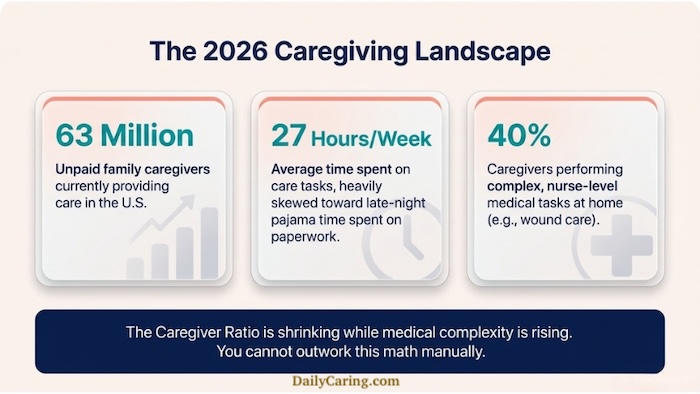
The landscape of caregiving in the 21st century is defined by an ever-growing demand, largely driven by an aging global population. According to the AARP, approximately 53 million Americans provide unpaid care to an adult, a figure that continues to rise. This demographic shift places immense pressure on family caregivers, who often step into this role without formal training or adequate support systems. The emotional, physical, and financial tolls on these individuals are immense, making the search for effective support mechanisms more critical than ever.
Defining the Mental Load in Caregiving
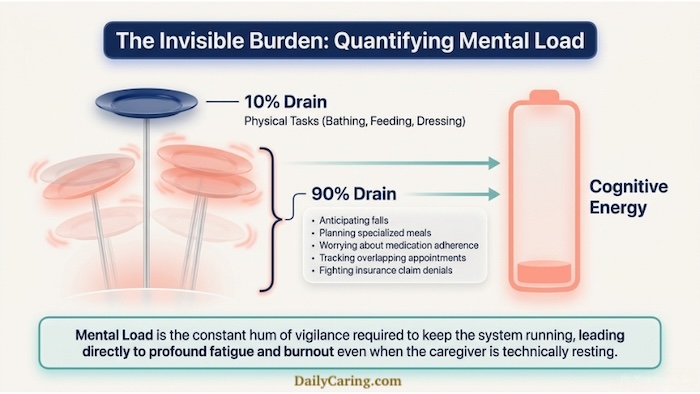
The "mental load" in caregiving extends far beyond the observable tasks. It encompasses the constant, unseen cognitive effort involved in remembering, planning, anticipating, and worrying about every facet of a loved one’s care. Imagine your brain as a complex system of constantly spinning plates, each representing a critical concern: "Did Mom take her blood pressure medication today?" "When is the next specialist appointment, and how will we get there?" "What groceries do we need for a diabetic diet?" "Have I called the insurance company about that denied claim?" "How will I balance my work schedule with Dad’s physical therapy?" "Is my loved one comfortable and safe right now?"
This relentless internal monologue, the perpetual state of readiness and oversight, constitutes the mental load. It is the silent, pervasive cognitive effort required to keep everything running smoothly, often without external recognition or assistance. This invisible labor is distinct from the physical act of caregiving; it is the exhaustive mental architecture that underpins every decision and action.
The Ripple Effect: Impact on Caregiver Well-being
The sustained weight of this invisible burden is far from harmless. Over time, the relentless mental load can severely erode a caregiver’s physical health, emotional resilience, and overall quality of life. Studies by the Centers for Disease Control and Prevention (CDC) and various health organizations consistently highlight elevated stress levels, chronic sleep deprivation, increased risk of depression and anxiety, and a higher incidence of chronic health conditions among caregivers compared to non-caregivers. The constant hum of worries can lead to difficulty concentrating, irritability, social isolation, and a profound sense of being perpetually overwhelmed.
When the mental load becomes too heavy to bear, it often culminates in caregiver burnout—a state of complete emotional, physical, and mental exhaustion. Signs of burnout include profound fatigue, detachment from the care recipient, loss of interest in activities, feelings of hopelessness, increased illness, and difficulty coping with daily demands. Recognizing these signs is paramount, as acknowledging the need for support is the first step toward reclaiming well-being.
The Rise of AI in Caregiving: A Paradigm Shift
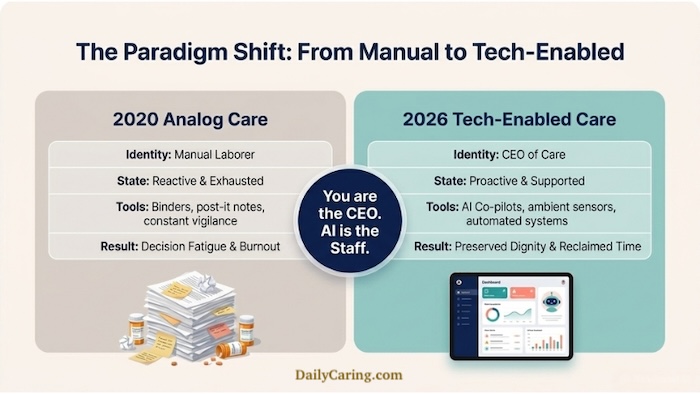
The integration of Artificial Intelligence into caregiving represents a significant paradigm shift, transforming what was once a largely manual and reactive process into a more proactive and supported endeavor. While the term "AI" might conjure images of complex, futuristic technology, its application in caregiving is becoming increasingly accessible and practical, acting as a crucial ally.

From Basic Reminders to Intelligent Assistants
For years, technology offered rudimentary assistance, primarily in the form of simple digital reminders. Today, AI for family caregiving has evolved dramatically. Modern AI assistants are no longer passive tools; they can learn individual routines, understand complex voice commands, seamlessly integrate with various smart devices, and even offer proactive suggestions based on observed patterns. They are moving beyond mere digital notepads to become sophisticated systems designed to anticipate needs, streamline processes, and offer truly impactful digital solutions for caregivers. Experts in elder care technology emphasize that AI is designed to be a co-pilot, not a substitute, for the irreplaceable human connection.
The Core Promise: Automation, Organization, and Support
The fundamental promise of AI in caregiving is to empower caregivers by giving them back precious time and much-needed mental space. By automating repetitive tasks, providing robust organizational frameworks for information, and offering instant access to support, AI assistants aim to:
- Reduce Cognitive Strain: Offload the mental burden of remembering countless details.
- Enhance Efficiency: Streamline daily routines and administrative tasks.
- Improve Communication: Facilitate seamless coordination among care teams.
- Boost Safety and Monitoring: Provide peace of mind through intelligent oversight.
- Offer Emotional Respite: Provide companionship for care recipients and support resources for caregivers.
- Personalize Care: Adapt to individual needs and preferences over time.
The market for AI in healthcare, particularly in elder care, is experiencing rapid growth, projected to reach billions in the coming years. This growth underscores the industry’s recognition of AI’s potential to address critical gaps in care provision and support systems.
Practical Applications: How AI Tools Transform Daily Care

Let’s delve into the immediate, actionable ways AI assistants can intervene and significantly lighten a caregiver’s load across various domains:
| Application Area | Key Examples | Mental Load Benefit |
|---|---|---|
| Daily Task Management | Medication reminders, smart calendar sync, automated grocery lists, chore delegation | Eliminates the constant need to remember and plan, reducing decision fatigue and frantic last-minute trips. Ensures critical tasks are never missed. |
| Care Coordination | Centralized family updates, shared healthcare notes, task assignment for team members | Consolidates vital information in one accessible location, reducing redundant communication and ensuring everyone is informed. Fosters collaborative care without constant manual updates. |
| Wellness & Engagement | Conversational companionship, guided meditation, virtual exercise programs, mood tracking | Provides an accessible emotional outlet and engagement opportunities for the care recipient, reducing loneliness. Offers caregivers tools for their own self-care and insights into their loved one’s emotional state. |
| Advanced Monitoring | Fall detection systems, smart home control, wandering alerts, predictive health insights | Significantly reduces anxiety about safety by offering real-time alerts and remote oversight. Proactive monitoring can prevent emergencies and enable timely intervention. |
| Information & Resources | AI-powered health Q&A, local resource directories, insurance navigation assistance | Saves countless hours of research and phone calls. Provides immediate, reliable information on health conditions, support services, and administrative processes, empowering caregivers with knowledge. |
Streamlining Daily Tasks and Scheduling:
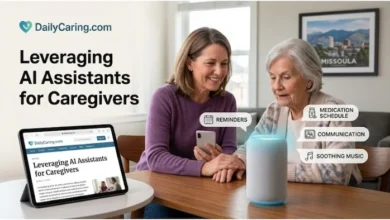
AI excels at managing the mundane but critical elements of daily care. This includes setting sophisticated medication reminders that can integrate with smart pill dispensers, syncing appointments across multiple calendars and devices, and automating grocery lists based on dietary needs and pantry inventory. Beyond these, AI can help caregivers manage household tasks by integrating with smart home systems, setting reminders for cleaning, or even suggesting optimal times for errands based on traffic and appointment schedules.
Enhancing Communication and Coordination:
One of the most significant stressors for caregivers is the constant need to update family members, healthcare providers, and other support individuals. AI platforms can centralize communication, allowing caregivers to share updates, track symptoms, and log care activities in a single, accessible location. This capability reduces the need for exhausting group texts or repeated phone calls, ensuring that everyone involved in the care network is informed and aligned. AI can also facilitate seamless telehealth appointments and organize all relevant medical records for easy access.
Providing Emotional and Mental Wellness Support:
Caregiving is emotionally taxing. AI offers unique solutions for both the care recipient and the caregiver. For care recipients, AI-driven companion robots like ElliQ provide proactive conversational interaction, reducing feelings of loneliness and isolation. For caregivers, AI apps can offer guided meditation, mindfulness exercises, or even detect changes in their own mood patterns, prompting them to seek support. These tools act as accessible emotional outlets, providing a layer of support that can be crucial during stressful times.
Advanced Monitoring and Safety Features:
The anxiety of ensuring a loved one’s safety is a constant mental burden. AI-powered monitoring systems offer significant relief. This includes non-invasive fall detection using radar or audio analytics, smart home integration to control lights and thermostats, and even wandering alerts for individuals with dementia. Some advanced systems can learn patterns and provide predictive insights, alerting caregivers to potential health declines before they become critical, thereby enhancing safety and enabling proactive care.
Accessing Information and Resources Instantly:
Navigating the complex healthcare system, understanding medical conditions, and finding local resources can be incredibly time-consuming. AI assistants can act as intelligent information hubs, instantly answering health-related questions (e.g., "What are the common side effects of a new medication?"), locating local support groups or senior centers, and assisting with the labyrinthine process of understanding insurance policies or government benefits. This significantly reduces the time spent on research and paperwork.
Spotlight on Innovation: Leading AI Solutions for Caregivers
It is one thing to discuss AI conceptually, but what does it look like in practice? Here are four specific, real-world AI tools currently helping family caregivers reduce their mental load:
-
Sensi.ai (For Non-Invasive Safety Monitoring): If concerns about a loved one wandering at night or falling are prevalent, but invasive video cameras are undesirable, Sensi.ai offers a breakthrough solution. It utilizes small, audio-only "care pods" strategically placed around the home. The AI listens for anomalies—such as a sudden thud, repeated coughing, sounds of distress, or unusual nighttime activity patterns—and immediately alerts the caregiver via their smartphone. This technology provides invaluable peace of mind while meticulously preserving the loved one’s privacy and dignity. Its non-visual approach respects personal space, a critical consideration for many families.
-
ElliQ (For Companionship and Daily Engagement): ElliQ is a proactive, AI-driven companion robot specifically designed for older adults. Unlike standard smart speakers that await commands, ElliQ initiates conversation, engaging users in meaningful interactions. It can guide a loved one through chair yoga routines, play trivia games, facilitate video calls with family members, and gently remind them to take medications or stay hydrated. For caregivers, the accompanying ElliQ app provides updates on their loved one’s mood, activity levels, and sleep patterns, significantly easing the guilt and worry of not being physically present 24/7. It offers a tangible presence that combats loneliness and promotes engagement.
-
ianacare (For Care Coordination and Support): The ianacare (I Am Not Alone) app is ingeniously designed to help caregivers mobilize and organize their "informal" care team—the network of friends, neighbors, and family members who frequently offer help. The app uses smart algorithms to enable caregivers to easily request and delegate specific tasks, such as grocery drop-offs, rides to medical appointments, or much-needed respite time, to their personal network. By centralizing communication and task management, ianacare eliminates the need for exhausting group texts and ensures that offers of help are effectively utilized, preventing caregiver isolation and burnout.
-
ChatGPT or Google Gemini (For Planning and Paperwork): Do not underestimate the power of general AI models like ChatGPT or Google Gemini to assist with the administrative load of caregiving. These tools can drastically cut down planning and paperwork time. Caregivers can use them to:
- Draft professional emails to healthcare providers, insurance companies, or social workers.
- Summarize lengthy medical reports into easily understandable bullet points.
- Create structured daily care plans or weekly schedules.
- Generate outlines or initial drafts for legal documents, financial aid applications, or appeals letters.
- Brainstorm solutions for common caregiving challenges, such as managing difficult behaviors or finding creative engagement activities.
A Crucial Note on Privacy: When utilizing public AI models like ChatGPT or Gemini for healthcare paperwork or planning, always anonymize the data. Never enter your loved one’s real name, birthdate, Social Security Number, Medicare details, or any other personally identifiable health information (PHI) into a chat prompt. Use generic terms like "my 80-year-old mother with dementia" or "the patient requiring rehabilitation" to protect sensitive health information and maintain privacy.
Navigating the Landscape: Choosing and Integrating AI Responsibly
Integrating new technology into an already demanding caregiving routine can seem daunting. However, a thoughtful approach can ensure success without adding to existing stress.
Choosing the Right AI Assistant:
Before investing in any AI solution, caregivers should conduct a thorough needs assessment to identify their specific pain points. Are you primarily struggling with organization, communication, safety monitoring, or emotional support? Key criteria for selection include:
- Ease of Use: The interface should be intuitive for both the caregiver and, where applicable, the care recipient.
- Security and Privacy: Prioritize tools with robust data encryption, clear privacy policies, and, ideally, HIPAA compliance for health-related data.
- Customization: The ability to tailor features to individual needs and preferences is crucial.
- Integration Capabilities: Ensure the AI assistant can seamlessly integrate with existing devices, calendars, and other digital tools.
- Customer Support: Reliable technical support can be invaluable during initial setup and ongoing use.
- Cost and Scalability: Evaluate subscription models and consider if the tool can grow with evolving care needs.
Tips for Successful Integration:
Bringing new technology into a busy routine requires a strategic approach:
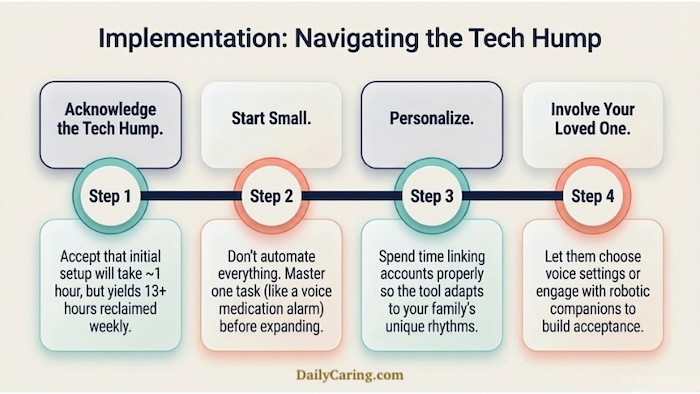
- Start Small: Introduce one AI tool at a time to avoid overwhelming yourself or your loved one. Master one before adding another.
- Involve the Care Recipient: If appropriate, engage your loved one in the selection and learning process. This fosters acceptance and maintains their sense of agency.
- Dedicate Learning Time: Set aside specific, uninterrupted time to learn the features and functionalities of the new tool.
- Set Realistic Expectations: AI is a powerful assistant, not a magic bullet. It augments your capabilities but doesn’t eliminate the core responsibilities.
- Regularly Review and Adjust: Periodically assess the tool’s effectiveness. Is it genuinely reducing your mental load? Adjust settings or explore alternatives if needed.
- Utilize Support Resources: Don’t hesitate to contact customer support or online communities for help and tips.
Ethical Considerations and Data Privacy:
The rapid advancement of AI necessitates a strong focus on ethical implications, particularly concerning privacy and data security. Caregivers must be vigilant about the type of information shared with AI tools and understand how that data is stored and used. For monitoring devices, ensure informed consent from the care recipient. The broader industry must also address potential biases in AI algorithms and ensure equitable access to these beneficial technologies across all socio-economic strata.
The Future of Caregiving: A Symbiotic Relationship
We are moving towards a future where AI and human caregivers work in a symbiotic relationship. Technology is poised to handle the repetitive cognitive and logistical tasks, freeing caregivers to focus on the emotional, relational, and deeply human aspects of care that AI cannot replicate. Given the global "caregiver crisis" and the projected increase in demand for elder care, tools incorporating automation, robotics, and artificial intelligence will inevitably figure prominently in the future caregiver’s daily routine. This evolution is not merely an option; it is becoming a necessity to sustain both the care system and the well-being of those who provide it.
AI’s role will likely expand to include more predictive analytics, personalized health insights, and even more sophisticated companionship features that adapt to individual personalities and preferences. The goal is to create an ecosystem of support that makes caregiving more sustainable, less stressful, and ultimately, more rewarding.
Conclusion: Embracing Innovation for a Healthier Caregiving Journey
Being a family caregiver is indeed a marathon, demanding sustained effort and resilience. By embracing innovative AI assistants, caregivers are not taking a shortcut or outsourcing their love; rather, they are strategically deploying cutting-edge resources to better manage the immense responsibilities they shoulder. This proactive approach allows for a reduction in the invisible mental load, creating space for improved personal well-being and more meaningful interactions with loved ones. Take that crucial first step, and give yourself permission to lean on technology. You deserve this support, and by doing so, you enhance the quality of care you provide and safeguard your own invaluable health.
Frequently Asked Questions: AI for Caregivers
Can AI actually reduce caregiver burnout?
Yes. While AI cannot replace human empathy or the profound connection between a caregiver and their loved one, it significantly reduces the "mental load" by automating repetitive tasks like medication reminders, coordinating family updates, and managing appointments. This allows family caregivers to reclaim time, reduce daily stress, and focus their energy on the more meaningful aspects of care.
What are the safest AI assistants for caregivers to use?
The safest tools are generally those designed specifically for health and aging, which prioritize privacy and security. Examples include ElliQ (for companionship and engagement) or Sensi.ai (for audio-only non-invasive monitoring). General smart speakers like Amazon Echo or Google Home are also highly useful for reminders and information, provided you take a moment to review and adjust their privacy settings to your comfort level.
Is it safe to share health information with AI tools like ChatGPT?
You must always exercise extreme caution. When using public AI models like ChatGPT or Google Gemini to help draft medical appeals, summarize information, or create meal plans, always anonymize your data. Never enter your loved one’s real name, Social Security Number, Medicare details, or any other personally identifiable health information (PHI) into a chat prompt. Use generic terms to protect sensitive health information.
Disclaimer: The information provided on DailyCaring.com is for educational and informational purposes only. It does not constitute medical, financial, or legal advice. Caregiving situations are highly individual. Always consult with a qualified healthcare professional, elder law attorney, or financial advisor regarding your specific circumstances.