Navigating Adult Immunizations: Geriatric Experts Discuss Strategies for Flu, COVID-19, RSV, and Shingles Season

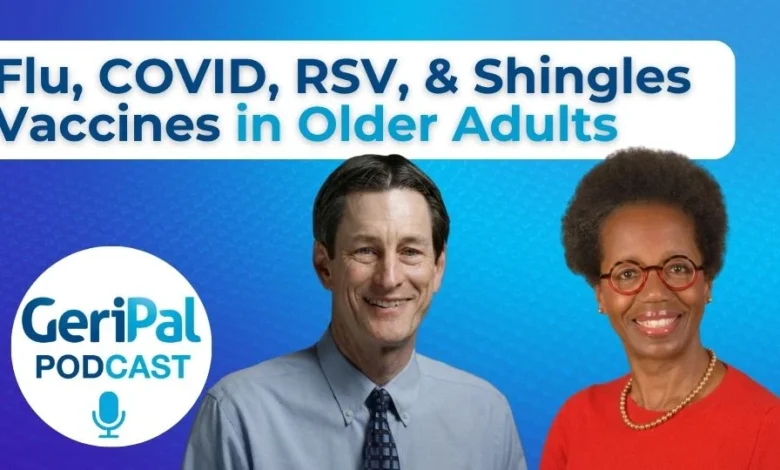
As respiratory virus season approaches, public health officials and geriatric specialists are intensifying efforts to boost vaccination rates among older adults. In a recent discussion on the GeriPal Podcast, hosts Dr. Eric Widera and Dr. Alex Smith sat down with prominent geriatricians and researchers Dr. Ken Schmader, director of the Duke Pepper Center, and Dr. Sharon Brangman, SUNY Distinguished Service Professor Emeritus, to break down the complexities of adult immunizations. The conversation addressed critical updates regarding influenza, COVID-19, respiratory syncytial virus (RSV), and shingles vaccines, highlighting both clinical recommendations and the systemic barriers to achieving optimal public health coverage.
The High Stakes of Respiratory Illness in Older Adults
The urgency surrounding adult vaccinations cannot be overstated, particularly given the disproportionate impact of respiratory viruses on individuals aged 65 and older. Statistically, more than 90 percent of seasonal influenza deaths occur within this demographic. Furthermore, viral infections trigger acute physiological stress, increasing the risk of major adverse cardiovascular events—such as heart attacks and strokes—by five-to-sixfold during the initial weeks following infection.
Beyond immediate mortality and acute cardiac risks, severe respiratory illnesses frequently lead to hospitalization, which carries a severe secondary toll: hospital-associated disability. Studies indicate that a significant majority of older adults experience functional decline during inpatient stays, with nearly one-third failing to recover their baseline independence. Consequently, preventing hospitalizations through timely and effective vaccination is a primary objective for geriatric care providers.
Influenza Vaccine Landscape: High-Dose Options and New mRNA Frontiers
For the upcoming influenza season, clinical guidelines recommend that adults aged 65 and older receive an annual vaccine, specifically favoring high-dose, adjuvanted, or recombinant formulations over standard-dose vaccines. Real-world and clinical trial data consistently demonstrate that these enhanced options offer superior protection against severe illness, hospitalization, and death in older populations.
A notable development in the flu vaccine landscape is the recent FDA approval of an mRNA-based influenza vaccine developed by Moderna. While clinical trials indicated the mRNA vaccine reduced flu illness by 27 percent compared to standard-dose formulations, the FDA granted it accelerated approval for adults aged 65 and older, contingent upon ongoing randomized controlled trials comparing its efficacy directly against established high-dose and adjuvanted vaccines. Experts emphasize that until comparative data confirms superiority, high-dose and adjuvanted formulations remain the gold standard for seniors. Additionally, timing remains crucial; experts advise against early-season vaccination in August, recommending administration in October to ensure protective immunity does not wane prematurely before peak viral circulation.
COVID-19 Recommendations and Evolving Formulations
Managing COVID-19 in older adults continues to evolve, with federal guidelines recommending that individuals aged 65 and older receive two doses of the updated COVID-19 vaccine annually, spaced approximately six months apart. Despite widespread population immunity derived from prior infections and vaccinations, hospitalization rates remain highest among individuals aged 75 and older.
Recent data underscores the continued value of updated formulations, which have demonstrated significant reductions in emergency department visits and hospitalizations among older cohorts. However, vaccine fatigue remains a substantial hurdle, with actual uptake of the recommended bi-annual dosing schedule lagging behind public health targets. Healthcare systems continue to grapple with patient hesitancy, misinformation, and financial barriers for non-senior populations whose insurance may not fully cover the cost of frequent boosters.
RSV Prevention: Guidelines, Efficacy, and Safety Signals
Respiratory syncytial virus (RSV) represents another major target for older adult immunization, leading to a bifurcated recommendation structure by the Advisory Committee on Immunization Practices (ACIP). Adults aged 75 and older are universally recommended to receive a single, lifetime dose of the RSV vaccine, reflecting the steep rise in hospitalization rates within this age bracket. For adults aged 50 to 74, the recommendation is risk-based, targeting individuals with chronic comorbidities such as cardiovascular disease, chronic obstructive pulmonary disease (COPD), diabetes, obesity, and frailty—particularly those residing in nursing homes.
While initial clinical trials focused primarily on reducing lower respiratory tract symptoms, subsequent post-licensure observational studies involving large populations of adults over 75 have confirmed that RSV vaccines reduce hospitalizations by roughly 75 to 77 percent. Discussions surrounding safety have addressed a slight, monitored signal for Guillain-Barré Syndrome (GBS) associated with certain protein-based adjuvanted and unadjuvanted vaccines, prompting ongoing post-marketing surveillance while affirming that the overall clinical benefit overwhelmingly outweighs the rare risks.
Shingles and the Intersection of Vaccination and Long-Term Health
The recombinant zoster vaccine, commonly known as Shingrix, remains the sole preventive option for herpes zoster (shingles) and postherpetic neuralgia. The risk of developing shingles and its debilitating neurological complications increases exponentially with age. Clinical follow-up data spanning a decade demonstrates that Shingrix maintains robust efficacy—around 80 percent—and sustained immunological response up to 11 years post-vaccination.
Despite its proven efficacy, Shingrix is widely recognized for its high reactogenicity, with roughly 16 percent of recipients experiencing grade 3 systemic and local side effects that temporarily disrupt daily activities. Clinicians recommend preparing patients for mild-to-moderate systemic symptoms, advising strategic timing—such as administration ahead of the weekend—to manage temporary discomfort without discouraging compliance.
Furthermore, emerging observational data suggests a potential secondary benefit of the shingles vaccine: a 20 to 25 percent reduction in the risk of developing dementia. Given that the varicella-zoster virus is neurotropic and chronic inflammation is increasingly recognized as a key driver of cognitive decline, researchers view these findings as biologically plausible. While current evidence relies heavily on administrative health databases subject to potential confounding biases, two randomized controlled trials currently underway in Finland and Denmark aim to provide definitive, high-level evidence regarding the vaccine’s impact on cognitive health.
Systemic Innovations and the AGS Older Adults Vaccine Initiative
Overcoming institutional and behavioral barriers to adult vaccination requires structural changes within healthcare delivery models. Dr. Sharon Brangman discussed findings from the American Geriatrics Society (AGS) Older Adults Vaccine Initiative, a multi-site collaborative grant project designed to identify and bridge gaps in immunization delivery.
The initiative highlighted that while geriatricians strongly advocate for vaccines, electronic health record (EHR) workflows often lack integrated prompts for immunization screening. By partnering with IT departments to embed vaccine questionnaires into the routine clinical "rooming" process—where medical assistants capture vital signs and medication reconciliations—participating health systems successfully increased vaccination awareness and uptake. Additional effective strategies included targeted after-visit summary messaging, patient reminder letters, educational brochures in waiting areas, and ongoing staff in-services to address internal team hesitancy.
Public health advocates stress that maintaining a continuous, non-judgmental dialogue with patients is vital. By demystifying side effects, addressing vaccine fatigue, and embedding systematic prompts into routine clinical workflows, healthcare providers can significantly mitigate the severe morbidity and mortality associated with vaccine-preventable respiratory and viral illnesses among aging populations.