Chuck E. Cheese Introduces Sensory-Friendly Birthday Parties Nationwide to Enhance Inclusivity

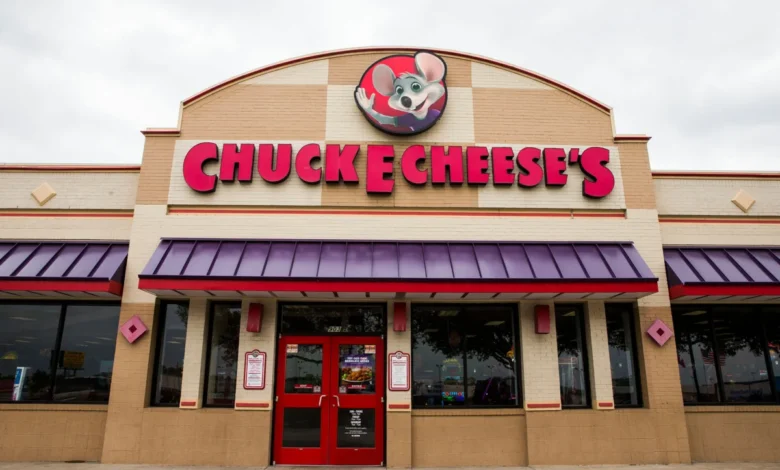
Chuck E. Cheese, a long-standing fixture in children’s entertainment and a brand often associated with boisterous celebrations, is expanding its commitment to inclusivity by launching "Sensory Sensitive Birthdays" across its nationwide locations. This new offering aims to provide a more accommodating and personalized party experience for children with autism and other sensory processing differences, allowing families to tailor key elements of the celebration to their child’s specific needs. The initiative builds upon Chuck E. Cheese’s existing efforts to create more accessible environments for all children.
The "Sensory Sensitive Birthdays" program, which began rolling out this month, retains the core components of a traditional Chuck E. Cheese birthday party, including entertainment, food, and party favors. However, it introduces an element of flexibility, empowering families to opt in or out of specific "key sensory elements." These elements can include the familiar singing of "Happy Birthday" and the appearance of the beloved Chuck E. Cheese mascot. This thoughtful approach recognizes that for some children, these traditional celebratory moments can be overwhelming due to heightened sensory sensitivities. By offering a customizable experience, Chuck E. Cheese seeks to ensure that every child can experience the joy of their birthday celebration in a way that feels comfortable and safe.
This expansion marks a significant step for CEC Entertainment, the parent company of Chuck E. Cheese, underscoring a growing awareness within the entertainment industry of the importance of catering to diverse needs. Scott Drake, President and CEO of CEC Entertainment, articulated the company’s vision behind the new offering. "As the ‘Birthday Capital of the Universe,’ we believe every child deserves a birthday they’ll never forget, on their own terms," Drake stated. "Sensory Sensitive Birthdays bring that belief to life, creating a more inclusive celebration where every child can feel seen, supported and celebrated." This sentiment highlights a broader industry trend where businesses are increasingly recognizing the economic and social imperative of embracing inclusivity.
A Growing Trend Towards Sensory-Friendly Experiences
The introduction of Sensory Sensitive Birthdays by Chuck E. Cheese is not an isolated event but rather part of a larger, ongoing movement across various sectors to create more accessible and welcoming environments for individuals with disabilities. In recent years, numerous venues, from museums and movie theaters to amusement parks and retail stores, have implemented sensory-friendly programming. These initiatives often involve modifications such as reduced noise levels, dimmed lighting, and a calmer atmosphere, designed to mitigate sensory overload for individuals who may be sensitive to bright lights, loud sounds, and crowded spaces.
The rationale behind these efforts is multifaceted. For businesses, it represents an opportunity to broaden their customer base and tap into a market segment that may have previously been underserved. More importantly, it reflects a growing societal understanding of neurodiversity and a commitment to ensuring that all individuals have the opportunity to participate fully in community life and recreational activities. Research consistently shows that individuals with autism and other sensory processing differences often face barriers to participation in typical public spaces. By proactively addressing these barriers, venues like Chuck E. Cheese are not only demonstrating corporate social responsibility but also fostering a more equitable society.
Chronology of Chuck E. Cheese’s Inclusivity Efforts
Chuck E. Cheese’s journey toward greater inclusivity has been a progressive one, with the introduction of Sensory Sensitive Birthdays building upon prior initiatives. The company first began offering dedicated sensory-friendly events in March 2017, a move that was widely reported and recognized within the disability community. These events, known as "Sensory Sensitive Sundays," were established as a monthly program held on the first Sunday of each month at locations nationwide.
The Sensory Sensitive Sundays were designed to offer a modified experience for children with autism and other sensory sensitivities. During these events, participating Chuck E. Cheese locations would implement specific accommodations, including:
- Reduced Sensory Input: Lights were dimmed, and music and sound effects were lowered to create a less stimulating environment.
- Quieter Atmosphere: The overall noise level was significantly reduced, minimizing the potential for auditory overwhelm.
- Trained Staff: Employees received training to better understand and assist guests with sensory sensitivities, ensuring a more supportive and empathetic interaction.
- Calmer Environment: The general ambiance was adjusted to be more relaxed and less chaotic, allowing children to enjoy the entertainment at their own pace.
These Sensory Sensitive Sundays provided a valuable opportunity for families to experience Chuck E. Cheese in a more comfortable setting, and the positive reception to this program has clearly informed the development of the new Sensory Sensitive Birthdays offering. The company’s decision to integrate this modified party experience into its regular birthday offerings signifies a deeper commitment to embedding inclusivity into its core services, rather than offering it as a standalone, limited event. The new birthday parties will specifically be offered during these designated sensory-friendly times, ensuring that the accommodations remain in place.
Supporting Data and the Impact of Sensory Sensitivities
The demand for sensory-friendly environments is underscored by data on autism prevalence and the common challenges faced by individuals with sensory processing differences. According to the Centers for Disease Control and Prevention (CDC), approximately 1 in 36 children in the United States have been identified with autism spectrum disorder (ASD). Autism is a complex developmental disability that can affect how a person behaves, interacts with others, communicates, and learns.
Sensory processing differences are a common characteristic of autism and can also be present in other developmental conditions. These differences can manifest in various ways, including hypersensitivity (over-responsiveness) or hyposensitivity (under-responsiveness) to sensory stimuli such as light, sound, touch, taste, smell, and movement. For a child with hypersensitivity, a typical Chuck E. Cheese environment – with its flashing lights, loud arcade games, energetic music, and bustling crowds – could be intensely overwhelming, leading to distress, anxiety, or meltdowns.
By offering options to reduce or eliminate certain sensory elements, Chuck E. Cheese is directly addressing these challenges. The ability for families to opt out of elements like the "Happy Birthday" song, which can be loud and involve multiple people singing in unison, or a character appearance, which can be visually stimulating and involve direct interaction, is crucial. This flexibility allows parents to create a celebration that aligns with their child’s comfort levels, fostering a positive and memorable experience rather than one fraught with anxiety. The implications of this are far-reaching, potentially enabling families who previously felt excluded from such celebrations to now participate and create cherished memories.
Official Responses and Industry Recognition
The launch of Sensory Sensitive Birthdays has garnered positive attention from organizations and advocates within the disability community. While specific public statements from external parties immediately following the announcement were not detailed in the initial report, the general sentiment from disability advocacy groups has historically been one of appreciation for such inclusive efforts.
Organizations dedicated to supporting individuals with autism and their families often welcome initiatives that reduce barriers to participation in mainstream activities. They view these programs as vital steps toward fostering a more inclusive society where individuals with disabilities are not relegated to segregated experiences but can enjoy the same opportunities as their peers. The proactive approach taken by Chuck E. Cheese is likely to be seen as a commendable model for other entertainment and hospitality businesses.
Furthermore, the expansion of these offerings by a well-known brand like Chuck E. Cheese can have a ripple effect, encouraging other companies to follow suit. It signals to the market that there is a significant and growing demand for inclusive services, and that investing in accessibility can be both socially responsible and commercially beneficial. The company’s statement, emphasizing that "every child deserves a birthday they’ll never forget, on their own terms," resonates deeply with the core values of many disability advocacy organizations.
Broader Impact and Implications for Inclusivity
The introduction of Sensory Sensitive Birthdays by Chuck E. Cheese has several significant implications for the broader landscape of inclusivity in entertainment and beyond. Firstly, it normalizes the conversation around sensory needs and disabilities. By integrating these options into a mainstream offering, Chuck E. Cheese is helping to destigmatize the need for accommodations and making it more commonplace for families to request or utilize them. This can empower other parents to advocate for similar adjustments in different settings.
Secondly, this initiative has the potential to significantly impact family dynamics and social participation. For families with children who have sensory sensitivities, traditional birthday parties at popular venues can be a source of stress and exclusion. The ability to host a party at Chuck E. Cheese that is tailored to their child’s needs means that these families can participate in a common childhood rite of passage without the fear of overwhelming their child or disrupting others. This can lead to increased social engagement for both the child and the family as a whole.
Thirdly, the success of such programs can serve as a powerful business case for inclusivity. As more businesses recognize the value of catering to diverse customer needs, they may be incentivized to invest in similar adaptations. This can lead to a more accessible and welcoming environment across a wider range of public spaces, benefiting not only individuals with autism but also those with other sensory processing issues, anxiety, or general sensitivities.
The ongoing commitment of Chuck E. Cheese, exemplified by the expansion from Sensory Sensitive Sundays to Sensory Sensitive Birthdays, demonstrates a long-term vision for inclusivity. It suggests that the company views accessibility not as a one-off initiative but as an integral part of its operational strategy. This sustained effort is crucial for building trust and ensuring that these accommodations are consistently available and well-implemented, ultimately contributing to a more inclusive and equitable experience for all children and their families.
Related posts: