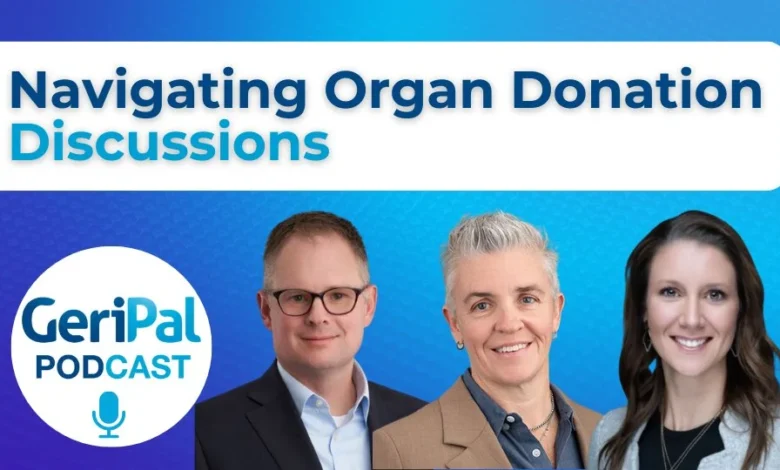
The GeriPal Podcast, a platform known for its in-depth discussions on geriatrics and palliative care, recently dedicated an episode to a topic often overlooked in medical training and practice: organ donation. Hosted by Eric Widera and Alex Smith, the podcast featured an illuminating conversation with three distinguished guests: Dr. Toby Campbell, a palliative care physician and oncologist; Samantha Taylor, a donation support specialist; and Dr. Nikole Neidlinger, an abdominal transplant surgeon and medical director of organ and tissue donation. The discussion delved into the complexities, emotional nuances, and profound impact of organ donation, highlighting its significance not only for recipients but also for donor families.
A New Frontier in Palliative Care Discourse
The genesis of this episode stemmed from a suggestion by Dr. Campbell, who also hosts the "Extraordinary Conversations" podcast, a series focused on the intricacies of organ donation. Campbell’s initiative to bring this vital topic to the GeriPal audience underscores a growing recognition of its importance within the broader spectrum of end-of-life care. "Organ donation is our topic," Eric Widera stated at the outset, setting the stage for a conversation that would explore the transformative power of giving life after death.
Alex Smith introduced the guests, emphasizing their diverse expertise. Samantha Taylor, a donation support specialist and trainer with a background in social work at the University of Wisconsin Organ and Tissue Donation Program, brought a unique perspective on supporting families through this difficult process. Dr. Nikole Neidlinger, an abdominal transplant surgeon and medical director, provided insights from the surgical and medical management side of organ transplantation. Dr. Toby Campbell, as the initiator of the discussion, offered his experience as a palliative care physician who has come to deeply respect and understand the profound nature of organ donation conversations.
The "Extraordinary Conversation": Beyond Conventional Medical Discourse
A key theme that emerged was the unique nature of the organ donation consent conversation. Dr. Campbell aptly described it as an "extraordinary conversation," distinguishing it from typical medical decision-making processes. "In every other decision making conversation about a medical therapy or surgery, the procedure is intended to benefit the recipient. In this extraordinary conversation, it’s intended to benefit someone else," he explained. This fundamental difference, he argued, necessitates specialized training and a deep understanding of its emotional and ethical landscape.
The podcast’s exploration of this topic comes at a time when organ donation remains a critical area for public health and medical professional education. In the United States, there are consistently more than 100,000 people on the national transplant waiting list, with thousands added each year. Despite advancements in transplantation, the demand for organs far outstrips the supply. This disparity highlights the ongoing need for greater awareness and participation in organ donation.
The Journey of Donation Support Specialists
Samantha Taylor shared her 15-year journey in organ and tissue donation, a path that began with training hospital partners – nurses, respiratory therapists, and chaplains – to navigate these sensitive conversations. Over time, the program evolved to have trained specialists who directly engage with families. Taylor’s transition from training others to directly conducting these conversations reflects a growing specialization within the field. Her personal journey into organ donation was serendipitous, stemming from her background in hospice social work. "I think you just fall into the profession you’re meant to be in," she remarked, finding a profound sense of purpose in her work.
The role of a donation support specialist is multifaceted. They are trained to approach families at a time of immense grief and often unexpected loss. Their expertise lies not only in explaining the medical and legal aspects of organ donation but also in providing emotional support and facilitating a decision that honors the deceased and offers hope to others. This requires exceptional communication skills, empathy, and a deep understanding of the grieving process.
A Surgeon’s Perspective: From Procurement to Legacy
Dr. Nikole Neidlinger’s entry into the field of organ donation was also a formative experience during her transplant fellowship at the University of Wisconsin. Her initial apprehension about engaging with grieving families quickly transformed into a profound appreciation for the process. She recounted how her mentor encouraged her to meet donor families, emphasizing the importance of human connection and acknowledging their loss.
Over two years, Neidlinger met with approximately 200 donor families. What struck her most was the recurring theme of legacy and generosity. Many families expressed that their loved one’s decision to donate provided a sense of purpose and continued life, offering solace amidst their profound grief. "Organ donation is, I think everyone knows that it’s good for recipients… but it’s good for families. And I didn’t know that. I didn’t realize, like, what an end of life legacy it brought with," Neidlinger stated. This realization shifted her perspective, leading her to dedicate a significant portion of her career to organ donation, even considering her transplant surgery practice a "side gig."
Understanding the "Gift Law": A Unique Legal Framework
A crucial distinction in organ donation is its legal classification. Unlike healthcare directives, which are guides for medical treatment, organ donation is considered a matter of "gift law." Samantha Taylor explained this critical difference: "It’s a legal decision. And how it kind of falls categorically is it falls under gift bond, which is similar to the decisions you make when you write a will. So your family might not agree with who you’re gifting your fortune to, but that is your choice. And so when somebody chooses to give their gifts to somebody else post death, that is their choice. They are gifting that. It isn’t. It isn’t an informed consent decision. It’s a gift law decision."
This legal framework means that a registered donor’s decision is legally binding, even if family members have reservations or are unaware of the decision. This can create complex situations, particularly when families are grieving and may try to override the deceased’s wishes. Taylor emphasized that while the decision is legally binding, the approach is always to support families through their grief and ensure they understand the implications and the intent behind the donation.
The Role of Healthcare Professionals: Bridging the Gap
A significant portion of the podcast focused on the role of healthcare providers who are not directly involved in organ procurement. Eric Widera posed a pertinent question: "Are we just calling the organ procurement organization or do you want us to say anything? And if so, what? And if not, why not?"
Dr. Neidlinger acknowledged the historical preference for organ procurement organization (OPO) specialists to conduct the consent conversation due to their extensive experience. However, she also recognized the value of the existing relationship between the medical team and the patient’s family. Samantha Taylor elaborated on this, stressing that while the care team may not conduct the consent conversation, they play a crucial role in preparing families. "The care team has a really important role to play in preparing families for the next conversation. They don’t have to be the ones doing them, and honestly, they probably shouldn’t be, but preparing them, that we are going to have more conversations about what end of life will look like, could look like choices," she stated.
This preparation is vital, especially in cases of circulatory death, where the patient is not yet legally declared dead but is transitioning to end-of-life care. In these scenarios, family input is crucial to support the patient’s prior decision to donate. Taylor highlighted that families may not always be aware of the deceased’s wishes, or they may be grappling with their own grief and need support in understanding the implications of donation.
Navigating End-of-Life Care and Donation
The conversation also touched upon the nuances of bringing up organ donation during end-of-life planning. While many advanced directive forms include a section on anatomical gifts, it is not always a prominent feature. Taylor advocated for healthcare providers to initiate these conversations during general end-of-life planning, even if the patient is not immediately facing death. "Having a conversation with literally any person that is going to face death, which, by the way, is all of us, right. We all should be thinking about not if it’s my time. When it’s my time, if I could give these gifts anywhere from all of my organs to one cornea, would I want to do that? Yes or no," she urged. This proactive approach ensures that families are not hearing about organ donation for the first time in a crisis situation.
The distinction between organ and tissue donation was also clarified. While organ donation typically requires death in an acute care hospital on a ventilator, tissue donation remains an option even after circulatory death. This broadens the scope of potential donation and underscores the importance of discussing all possibilities.
The "First 60 Seconds": Building Rapport in Crisis
A particularly insightful segment of the discussion revolved around the initial moments of interaction between donation specialists and grieving families. Dr. Campbell noted the "magic" of how these specialists build rapport, emphasizing the importance of the "first 60 seconds." Samantha Taylor shared her approach: acknowledging the terrible situation the family is facing and expressing empathy. "This really sucks," she articulated as a way to connect with families, validating their pain and lowering their defenses. This strategy, she explained, is crucial because families are not expecting the donation specialist to bring news, but rather to acknowledge their reality.
This emphasis on empathy and rapport-building offers valuable lessons for all healthcare professionals caring for seriously ill patients. It highlights the power of authentic human connection, especially in moments of profound vulnerability.
Making Memories in the Face of Loss
The podcast also explored how donation specialists help families navigate the time between the decision to donate and the organ procurement surgery. This period, often a few days, can be filled with uncertainty and grief. However, donation specialists help families reframe this time as an opportunity for meaningful engagement and memory-making. Taylor described how families are given permission to leave the hospital, tend to personal matters, or spend precious, focused time with their loved one.
"People can crawl in bed with their loved ones. We can do fingerprints, handprints, hand molds, locks of hair, print out EKG strips to get really cool tattoos," Taylor shared, illustrating the creative ways families can honor their loved ones. She recounted a moving story of a sister who, given this unexpected time, engaged in deeply personal rituals with her dying sibling, finding healing and closure. This perspective shifts the focus from a passive waiting period to an active, albeit difficult, phase of processing grief and cherishing final moments.
Key Takeaways for Healthcare Professionals
As the podcast drew to a close, the guests offered their single most important message for healthcare providers. Dr. Campbell emphasized the profound positive impact organ donation has on donor families, often aiding their grieving process in ways that surprise even those deeply involved in the field. Dr. Neidlinger echoed this sentiment, stressing that organ donation is fundamentally patient and family-centered care, offering a lasting legacy that matters deeply to the families involved. Samantha Taylor concluded by reiterating that donation specialists are not there to "ask for something," but rather to offer families an opportunity and an experience that can lead to long-term peace and acceptance, preventing regret during their grieving journey.
The discussion underscored that organ donation is more than a medical procedure; it is a deeply human act interwoven with complex emotional, ethical, and legal considerations. By fostering greater understanding and integrating these conversations into broader end-of-life care discussions, healthcare professionals can help families navigate this profound aspect of loss and legacy, ultimately honoring the wishes of the donor and providing solace to those left behind.
Related posts: