Good Vibrations Wins Acclaim as a Powerful Entry in the Easterseals Disability Film Challenge

The short film Good Vibrations, a poignant and inspiring submission to the 2026 Easterseals Disability Film Challenge, is captivating audiences with its authentic portrayal of artistic struggle, collaboration, and the transformative power of accessibility. Written, directed, and produced by Natalie Lomske and Miguel Martinez, both alumni of the 2025 Entertainment Lab, the film delves into the complex journeys of two artists navigating internal anxieties and external barriers to share their creative visions. The production also benefited from the expertise of Jeff Beachnau, a 2024 Physical Production Intensive alumnus, who served as Grip.
At its core, Good Vibrations centers on the intertwined narratives of Tori, a talented musician and singer grappling with debilitating stage fright and anxiety, and Abigail, an expressive poet whose artistic voice is stifled by systemic inaccessibility and the pervasive exclusion of disabled talent. The film masterfully illustrates their individual challenges, highlighting the profound difficulty they face in translating their inner worlds into tangible artistic expressions. Tori articulates this struggle as an inability to "translate the words in my head and in my heart" onto paper, a sentiment that resonates with many creatives. Abigail, on the other hand, faces the frustrating reality of a world not designed to accommodate her artistry, where her presence and contributions are often overlooked or actively dismissed.
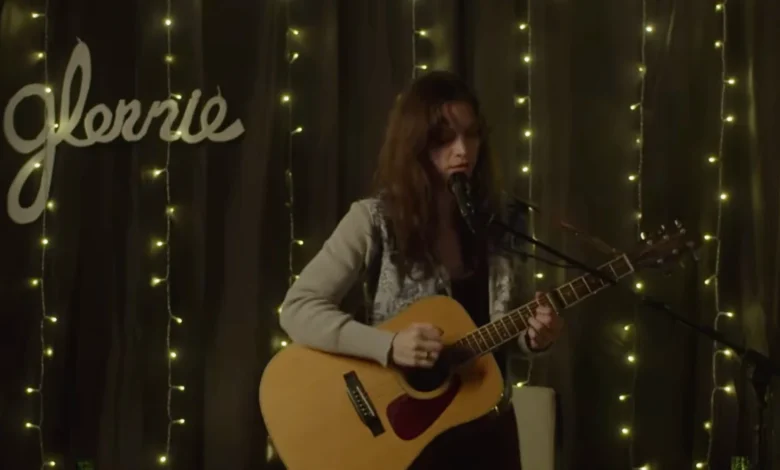
The film opens with a stark depiction of Tori’s internal battle. During an open mic night, her attempt to perform a song is fraught with hesitation. The weight of her anxiety manifests as pauses, faltering lyrics, and ultimately, a retreat from the stage, leaving her with a profound sense of shame. This initial scene sets a somber tone, emphasizing the personal toll that mental health challenges can take on artistic expression.
Following Tori’s withdrawal, Abigail takes to the stage, ready to share her poetry. However, her performance is abruptly halted by a dismissive remark: "this is an audio open mic night." This exclusionary response, delivered before she is ushered off stage, underscores the systemic barriers faced by disabled artists. The incident is not merely an inconvenience; it is a direct affront to her identity and her right to participate. This moment serves as a critical turning point, highlighting the shared experience of exclusion that will eventually forge a connection between the two artists.
The narrative then pivots to a moment of shared vulnerability and burgeoning understanding. Abigail witnesses Tori’s frustration as she attempts to transcribe her musical ideas. Recognizing a kindred spirit in Tori’s creative struggle, Abigail, with the courage of her poetic nature, offers her assistance. She boldly asks Tori if she can "take a crack at it," a gesture that signifies a willingness to bridge their individual challenges through shared empathy. This act of reaching out, born from a place of mutual respect and a deep appreciation for the creative process, marks the genesis of their collaborative journey.
Through their burgeoning partnership, Tori and Abigail discover that their individual weaknesses can be transformed into collective strengths. Abigail’s gift for language and her understanding of lyrical structure enable her to help Tori articulate her musical ideas, transforming the inchoate thoughts in Tori’s mind into coherent lyrics. Conversely, Tori’s vocal talent and ability to translate emotion into sound provide a powerful vehicle for Abigail’s poetry. As Tori sings, Abigail simultaneously signs the lyrics, creating a fully accessible and deeply moving performance. This synergy is beautifully encapsulated in their co-created heartfelt song, "Vibrations," a title that perfectly reflects the resonant connection they have found.
The film’s climax sees Tori and Abigail returning to the open mic night, this time as a unified force. They have not only overcome their individual obstacles but have also transformed the very space that previously excluded them. Their performance of "Vibrations" is a testament to their resilience and their commitment to making art accessible. By integrating signed lyrics with vocal performance, they create an experience that is inclusive and emotionally resonant for all audience members. The thunderous applause they receive is not just an acknowledgment of their talent, but a validation of their courage and their ability to challenge the status quo. The final embrace between the two artists is a powerful visual representation of their shared triumph and the profound connection they have forged.
Good Vibrations transcends a simple narrative of artistic endeavor; it serves as a profound exploration of vulnerability as a catalyst for authentic collaboration. The film powerfully argues that by embracing their vulnerabilities, both Tori and Abigail unlock their full potential. Their journey illustrates how mutual support and a willingness to navigate challenges can lead to a deeper understanding of oneself and the creation of art that resonates with others, fostering empathy and connection. The film’s message is clear: when individuals feel seen and understood, they are empowered to create art that, in turn, allows others to feel seen and understood.
The Easterseals Disability Film Challenge (EDFC), the platform that nurtured Good Vibrations, plays a crucial role in fostering such narratives. Founded by Nic Novicki, the EDFC is an annual five-day competition that challenges filmmakers to create original short films, typically between three and five minutes in length, based on a specific theme. This year’s theme, "dramedy," provided fertile ground for the nuanced storytelling evident in Good Vibrations, which masterfully blends moments of poignant struggle with uplifting resolutions. The challenge itself is a significant initiative, providing a vital platform for disabled filmmakers and actors to showcase their talent, break down stereotypes, and contribute to a more inclusive media landscape. Since its inception, the EDFC has become a cornerstone event, fostering a community of creators dedicated to disability inclusion in the entertainment industry. Data from previous challenges indicates a growing number of submissions and a marked increase in the professional development and career opportunities for participating filmmakers.
The success of Good Vibrations is a testament to the EDFC’s mission. Lomske and Martinez, as alumni of the 2025 Entertainment Lab, represent the pipeline of talent being cultivated through Easterseals’ comprehensive programs, which aim to empower individuals with disabilities in various creative fields. The inclusion of Beachnau, an alumnus of the Physical Production Intensive, further highlights the breadth of support offered, extending to the technical aspects of filmmaking.
The film’s narrative structure, with its initial depiction of individual struggle, followed by the intervention of a supportive peer and culminating in a collaborative triumph, is a common yet effective storytelling device. However, Good Vibrations elevates this structure through its authentic portrayal of specific challenges faced by disabled artists and those dealing with mental health issues. The film’s ability to convey complex emotions and societal barriers within a concise timeframe is a significant achievement in filmmaking. The pacing allows for emotional resonance without sacrificing narrative clarity, a difficult balance to strike in short-form content.
Background and Context of the Easterseals Disability Film Challenge
The Easterseals Disability Film Challenge has become a significant force in promoting disability inclusion within the film industry. Established with the explicit goal of providing opportunities for individuals with disabilities to showcase their creative talents in filmmaking, the challenge has grown exponentially since its inception. It operates on a condensed timeline, typically demanding participants to write, shoot, and edit a short film within a five-day period. This intense format not only tests the filmmakers’ resourcefulness and skill but also mirrors the fast-paced nature of professional production environments.
Each year, the challenge is guided by a specific theme, which encourages creative interpretation and diverse storytelling approaches. This year’s "dramedy" theme allowed for explorations that could balance humor with serious subject matter, a genre that Good Vibrations has expertly navigated. The competition is not merely about producing a film; it is about fostering a sense of community, providing networking opportunities, and ultimately, advocating for greater representation of disabled individuals both in front of and behind the camera. Easterseals, a leading organization in providing services and advocacy for people with disabilities, leverages its extensive network and resources to support the challenge, ensuring its reach and impact.
Chronology of the Production and Challenge
While the precise dates of the Good Vibrations production are not detailed, the Easterseals Disability Film Challenge typically takes place annually. Given that Lomske and Martinez are identified as 2025 Entertainment Lab alumni, their involvement in the 2026 EDFC suggests a progression of their skills and participation. The Entertainment Lab likely served as a preparatory program, honing their filmmaking abilities before they embarked on the intensive five-day challenge. This timeline indicates a structured approach to talent development, where Easterseals provides both educational and practical opportunities. The five-day production window itself is a critical element, demanding intense focus and efficient execution from all participants.
Supporting Data and Impact
The impact of initiatives like the Easterseals Disability Film Challenge can be measured in several ways. Firstly, it directly increases the number of films created by and featuring individuals with disabilities. Secondly, it provides a platform for these films to be seen by a wider audience, including industry professionals, which can lead to career advancements for the participants. Research on media representation consistently shows that positive and authentic portrayals of marginalized groups can significantly shift public perception and reduce stigma. Films that emerge from the EDFC contribute to this vital effort by offering diverse narratives that challenge preconceived notions about disability.
Furthermore, the challenge fosters a sense of empowerment and self-efficacy among participants. The ability to conceive, create, and complete a film within a demanding timeframe is a significant accomplishment that can boost confidence and encourage further engagement in creative pursuits. The collaborative nature of the challenge also promotes teamwork and communication skills, essential for any professional environment. The inclusion of alumni like Lomske, Martinez, and Beachnau in the film’s credits underscores the sustained support provided by Easterseals, extending beyond the immediate competition to ongoing professional development.
Official Responses and Broader Implications
While direct statements from Easterseals regarding Good Vibrations are not included in the provided text, the organization’s consistent support for the Disability Film Challenge speaks volumes. Nic Novicki, the founder of the EDFC, has frequently emphasized the importance of the challenge in providing a space where disabled talent can shine. His vision is to see disabled individuals not just as subjects of stories but as storytellers, directors, and creators who shape the narrative.
The broader implications of films like Good Vibrations extend far beyond the realm of entertainment. They serve as powerful advocacy tools, demonstrating the capabilities and creativity of individuals with disabilities. By showcasing the art and talent that often goes unrecognized, these films contribute to a cultural shift towards greater inclusion and accessibility. The narrative of Tori and Abigail overcoming their obstacles through collaboration and mutual support offers a model for how individuals can empower each other, regardless of their challenges. This message of resilience, creativity, and the power of authentic connection is particularly relevant in today’s society, where fostering understanding and empathy is paramount. The film’s success in the EDFC signifies a step forward in the ongoing movement to ensure that disabled voices are not only heard but celebrated.
Where to Watch
Good Vibrations is readily accessible to the public, offering an opportunity for a wide audience to experience its powerful message. The film is available for viewing on YouTube, allowing for easy access and dissemination. This digital platform ensures that the film’s inspiring story can reach individuals globally, contributing to the broader conversation about disability representation and artistic expression. The availability on YouTube also aligns with the film’s theme of accessibility, making its artistic merits available to anyone with an internet connection.
Related posts: