
Unmasking Common Cleaning Blunders: Expert Strategies to Achieve a Genuinely Cleaner Home and Enhance Public Health

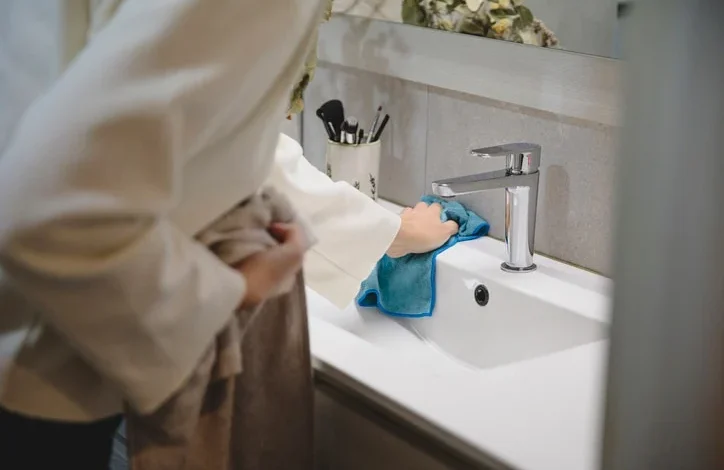
The pursuit of a clean living environment often feels like an unending struggle, a Sisyphean task where one completed chore immediately reveals a dozen more. Many individuals adhere to structured cleaning schedules, yet the pervasive sense of a perpetually dirty home persists, leading to questions about the efficacy of their methods. Professional cleaners and public health experts confirm that seemingly innocuous cleaning habits can, in fact, render homes dirtier rather than truly clean, actively spreading germs and grime. Britney Lancaster, a seasoned professional cleaner and organizer based in Los Angeles, highlights a critical issue: "Even the habit of saving quick cleaning tasks for ‘later’ can lead to build-up on surfaces that are tougher to remove when you finally get to it." This article delves into ten prevalent cleaning mistakes, drawing insights from industry professionals and scientific guidelines, offering actionable fixes to transform cleaning efforts into genuinely effective sanitation practices.
The Paradox of Cleaning: Effort Versus Efficacy
The contemporary understanding of cleanliness extends far beyond superficial tidiness. Historically, cleaning practices evolved from basic waste removal and odor control to sophisticated sanitation protocols driven by scientific discoveries in microbiology and public health. The 19th and 20th centuries saw significant advancements, linking hygiene to disease prevention, leading to the development of disinfectants and structured cleaning methodologies. However, despite this evolution and the proliferation of cleaning products, a disconnect often exists between the perception of cleanliness and its actual achievement. The "clean paradox" describes this phenomenon: individuals invest time and resources into cleaning, yet their methods might inadvertently perpetuate unsanitary conditions. This inefficiency not only wastes valuable time and money but also poses tangible health risks, particularly in an era acutely aware of pathogen transmission. The rise of social media "cleaning hacks" has further complicated matters, often promoting shortcuts that, while visually appealing, can be chemically hazardous or fundamentally ineffective.
The Crucial Role of Informed Cleaning in Public Health
The Centers for Disease Control and Prevention (CDC) and the World Health Organization (WHO) consistently underscore the importance of proper cleaning and disinfection as foundational pillars of public health. Beyond aesthetic appeal, effective cleaning directly impacts indoor air quality, allergen reduction, and the prevention of infectious disease transmission. For instance, studies indicate that common household surfaces can harbor significant bacterial and viral loads, necessitating methods that physically remove contaminants before disinfection can effectively neutralize remaining pathogens. Improper cleaning, therefore, is not merely an inconvenience but a contributor to environments conducive to allergen exposure and germ proliferation, affecting respiratory health, skin conditions, and susceptibility to illness.
Deconstructing Common Cleaning Mistakes and Their Solutions
Before embarking on any significant cleaning endeavor, professionals advise stocking fundamental essentials. These typically include high-quality microfiber cloths, appropriate all-purpose cleaners, specific disinfectants (used judiciously), a reliable vacuum cleaner with a HEPA filter, a sturdy mop, and robust trash bags. The following outlines ten critical errors, detailing their impact and offering expert-backed remedies.
1. Overuse of Cleaning Products: The Residue Trap
A common misconception is that more product equates to a cleaner surface. This often leads to excessive application of sprays, detergents, and polishes. Britney Lancaster notes, "They think it will make what they’re cleaning ‘cleaner,’ but using a small amount can go a long way." The reality is that over-application leaves behind a sticky residue. This residue acts as a magnet for dust, dirt, and airborne particles, creating a tacky film that quickly becomes dirtier than the original surface. Moreover, this film can be challenging to remove without further application of product, leading to a vicious cycle. Chemically, many cleaning agents contain surfactants designed to lift dirt. When these are not properly rinsed or are used in excess, they remain on the surface, attracting new contaminants.
Quick Fix: Adhere strictly to product label instructions regarding dilution ratios and application amounts. Instead of spraying directly onto surfaces, apply the cleaning solution onto a microfiber cloth until it is damp, then wipe. This method ensures even distribution, prevents oversaturation, and minimizes residue build-up. For surfaces that may tolerate it, a final wipe with a clean, water-dampened cloth can further ensure no residue remains.
2. Hazardous Chemical Combinations: A Public Health Warning
The allure of a "super cleaner" often tempts individuals to mix different cleaning products, a practice frequently touted as an ingenious hack on social media. However, this is one of the most dangerous cleaning mistakes, carrying severe health risks. The CDC issues explicit warnings against mixing cleaning solutions, particularly those containing bleach. Combining bleach (sodium hypochlorite) with ammonia (found in glass cleaners, some all-purpose cleaners, and urine) produces highly toxic chloramine gas, which can cause severe respiratory damage, chest pain, nausea, and even death. Similarly, mixing bleach with acids (like vinegar, toilet bowl cleaners, or rust removers) generates chlorine gas, another potent respiratory irritant.
Quick Fix: Prioritize safety above perceived efficiency. Stick to using a single cleaning solution at a time, or opt for simple soap and water, which is highly effective for general cleaning. If bleach is necessary for disinfection, always dilute it with water according to package instructions and ensure the area is well-ventilated to minimize fume inhalation. Never mix bleach with any other cleaning product. In cases of accidental mixing, evacuate the area immediately and seek medical attention if symptoms arise.
3. Inadequate Rinsing of Cleaning Cloths: Spreading Dirt, Not Removing It
Iryna Balaban, co-owner of Sunlight Cleaning NYC, points out a common oversight: neglecting to thoroughly rinse cleaning cloths. The impulse to cover more ground quickly before rinsing can be counterproductive. When a cloth saturated with soap or cleaning solution is used repeatedly without rinsing, it effectively redistributes the dissolved dirt and cleaning agent onto subsequent surfaces. This leaves behind a thin film of grime and product residue that, similar to overuse, actively attracts new dust and dirt particles. This means that while a surface might appear clean immediately after wiping, it will rapidly become soiled again, undermining the entire cleaning effort.
Quick Fix: Develop a habit of frequent rinsing. After wiping a surface, rinse your cleaning cloth thoroughly under running water until all visible suds and trapped dirt are gone, and the water runs clear. Wring out excess water before proceeding to the next section or surface. Using multiple clean cloths and rotating them can also enhance efficiency and cleanliness, ensuring you’re always wiping with a truly clean tool.
4. Disinfecting Before Cleaning: A Wasted Effort
The sequence of cleaning operations is critical, particularly when disinfection is involved. "Always clean prior to disinfecting," advises Balaban. Disinfectants are designed to kill microorganisms on clean surfaces. When applied to a dirty surface, debris such as food particles, grease, dust, or other organic matter acts as a physical barrier, trapping the disinfectant and preventing it from reaching the underlying germs and bacteria. This means the disinfectant cannot make direct contact with the pathogens it is supposed to neutralize, rendering the application largely ineffective. The CDC emphasizes that cleaning with soap and water physically removes most germs, while disinfection targets the remaining few to reduce the spread of disease, especially when someone in the household is ill.
Quick Fix: Establish a two-step process. First, clean the surface using an appropriate cleaning product (e.g., an all-purpose cleaner) and a cloth to remove all visible dirt and debris. Allow the surface to dry slightly. Only then should you apply a disinfectant, ensuring it remains wet on the surface for the dwell time specified by the manufacturer to be effective. This ensures the disinfectant can perform its intended microbial killing action without interference.

5. Ineffective Dusting Methods: Relocating, Not Removing, Dust
Feather dusters, while aesthetically charming, are often more decorative than functional. Balaban notes that dry rags and feather dusters tend to "displace dust in the area being cleaned, not remove it." These tools merely push dust particles around, sending them airborne to settle on other surfaces or into the respiratory system. Dry microfiber cloths, if not used correctly, can also push dust rather than trapping it. Dust is a complex mixture of skin cells, textile fibers, pet dander, pollen, mold spores, and microscopic dust mites and their waste products. Displacing it aggravates allergies and reduces indoor air quality.
Quick Fix: Opt for methods that capture and hold dust. A slightly dampened microfiber cloth is highly effective because its microscopic fibers and moisture trap dust particles. Electrostatic dusters are another excellent option, as they create a static charge that attracts and clings to dust. For heavy dusting, a vacuum cleaner with a brush attachment and a HEPA filter can effectively remove dust from surfaces without releasing it back into the air. Always clean from top to bottom to allow any displaced dust to fall onto lower surfaces, which will be cleaned subsequently.
6. Suboptimal Trash Bag Selection: The Unseen Mess
The seemingly trivial choice of a trash bag can have surprisingly messy consequences. Murray Rogers Clark of Murray Clean in Plymouth, Massachusetts, highlights that "Thinner bags tear easily, meaning the mess you thought you contained ends up back on the floor anyway." Many individuals simply grab whatever bag is available, overlooking crucial specifications like bag thickness (measured in "mil"). Thin, low-quality bags are prone to tearing, especially when dealing with sharp objects, liquids, or heavy refuse. A ruptured trash bag can negate an entire cleaning effort, creating spills, odors, and an unsightly trail of garbage.
Quick Fix: Pay attention to the mil thickness of trash bags before purchase. Match the bag’s strength to the type and weight of the waste you typically generate. For general household waste, bags between 0.9 to 1.2 mil are often sufficient. For heavier or sharper refuse, consider thicker bags (1.5 mil or more). If you only have thinner bags, doubling them up provides an extra layer of protection against tears and leaks.
7. Neglecting to Protect Lower Surfaces During High Dusting: A Gravity-Driven Re-Contamination
The satisfaction of cleaning ceiling fans, light fixtures, or chandeliers can quickly turn to frustration upon realizing that a fresh layer of dust has settled across everything below. As Clark observes, skipping protective measures during high dusting "spreads debris and dust mites right back where you started." Gravity ensures that any dust dislodged from elevated surfaces will fall downwards, contaminating previously cleaned areas or settling onto furniture and floors. This necessitates re-cleaning, doubling the effort and extending the cleaning process.
Quick Fix: Always clean from top to bottom. Begin with the highest points in a room (ceilings, light fixtures, tops of cabinets) and work your way down to lower surfaces, finishing with the floors. When tackling particularly dusty elevated items like ceiling fans or chandeliers, lay down drop cloths or old sheets over furniture and floors directly beneath to catch falling debris. This prevents re-contamination and ensures that dust is removed efficiently and systematically.
8. Tracking Dirt Across Clean Floors: Undoing Progress Unwittingly
This mistake manifests in two primary ways, according to Clark. The first occurs at entryways, where shoes track in external dirt, dust, and pathogens. The second involves inadvertently stepping onto a freshly cleaned section of floor, leaving new marks or re-depositing grime. Both scenarios undermine cleaning efforts, leading to frustration and the need for rework. Outdoor contaminants include soil, pesticides, heavy metals, and various microorganisms, all of which can be transferred indoors on footwear.
Quick Fix: Implement strategies to prevent dirt ingress and cross-contamination. Encourage a "shoe-free" home policy or use foot covers when entering from outdoors, particularly during the cleaning process. When sweeping or mopping, adopt a methodical approach: clean in one continuous direction, working your way out of the room or away from already cleaned areas. This prevents inadvertently stepping back into wet or freshly cleaned sections, ensuring a clean path and uninterrupted progress.
9. Mopping Before Sweeping or Vacuuming: Creating Mud, Not Cleanliness
Attempting to mop a floor laden with loose debris, crumbs, or dust is counterproductive. The experts unanimously agree that dry debris must be removed first. Skipping straight to the mop simply mixes the dirt with water, creating a muddy slurry that is then spread across the floor. This not only fails to clean but can also embed grime deeper into floor surfaces or grout lines, making future cleaning more difficult and potentially damaging the floor’s finish over time. The goal of mopping is to remove fine dirt and stains, not large particles.
Quick Fix: Always begin floor cleaning with a thorough dry pass. Sweep the entire floor with a broom or use a dry-vacuum cleaner to remove all loose debris, dust, and larger particles. Only after the floor is free of these dry contaminants should you proceed with wet cleaning, such as mopping. Using a microfiber mop with a low-toxicity cleaning product, such as ENVIROX H2orange2 hydrogen peroxide cleaner, can enhance effectiveness without harsh chemicals.
10. Dirty Mops and Contaminated Mop Water: Spreading Germs, Not Removing Them
The cleanliness of your cleaning tools is as vital as the process itself. Using a dirty mop or contaminated mop water is akin to painting with a dirty brush – you’re simply spreading the previous mess. Clark notes that while cool or lukewarm water is generally fine, it’s crucial to consider the cleaning product’s instructions and the floor type; for example, boiling water could damage certain hardwood floors. Regardless of temperature, the primary issue is the accumulation of dirt and germs in the mop water and on the mop head itself. As the water turns grey, it signifies that it is saturated with grime and is no longer effectively cleaning but rather re-depositing contaminants and potentially spreading bacteria. Biofilm can also develop on uncleaned mop heads.
Quick Fix: Before mopping, consult the floor manufacturer’s cleaning instructions and the cleaning product’s guidelines for optimal water temperature and dilution. During mopping, adopt a proactive approach to water changes: "If the water turns grey, change the water," Clark advises. For larger areas, consider using a two-bucket system (one for clean solution, one for rinse water) to minimize cross-contamination. After each cleaning session, thoroughly rinse the mop head until it is clean, and allow it to dry completely before storing to prevent mold and bacterial growth. Replace mop heads regularly, especially if they show signs of wear or persistent discoloration.
A Final Perspective on Achieving Genuine Cleanliness
The journey to a truly clean home, one that not only looks clean but is also hygienically sound, does not demand superhuman effort but rather informed, systematic practice. As Britney Lancaster concludes, "Small efforts add up… Instead of spending ALL DAY cleaning, you might just need a few hours." The fundamental shift lies not in working harder, but in working smarter. Cleaning mistakes that lead to dirtier homes are rarely a reflection of insufficient effort; rather, they stem from a lack of understanding regarding effective systems and the proper use of tools. By integrating these expert-backed adjustments into your cleaning routine, you can transcend the illusion of cleanliness, achieving an environment that genuinely supports health, well-being, and lasting tidiness. The implications extend beyond individual homes, contributing to a broader culture of public health awareness and responsible sanitation.