Federal Lawmakers Propose Landmark National Hotline for Developmental Disability Caregivers

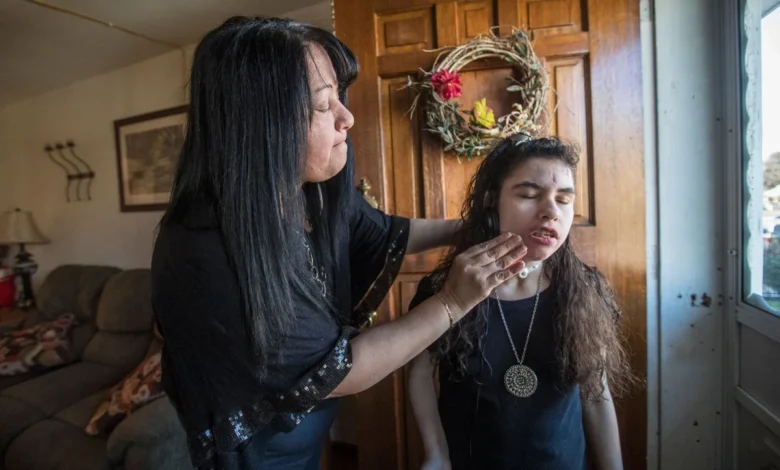
A bipartisan group of federal lawmakers is championing the establishment of a groundbreaking national hotline specifically designed to support caregivers of individuals with developmental disabilities. This initiative, spearheaded by U.S. Rep. Rob Menendez, D-N.J., aims to create a vital resource for a population often overlooked in terms of dedicated support systems. The proposed legislation, dubbed the Caregiver Access to Resources and Emotional Support, or CARES Hotline Act, would establish a 24/7 toll-free number staffed by trained professionals capable of offering immediate emotional support, brief interventions, and crucial mental health referrals.
Beyond the hotline, the CARES Act mandates the creation and maintenance of a comprehensive national database of caregiver resources. This database would serve as a centralized repository of information, consolidating available services, support groups, and governmental programs relevant to developmental disability caregiving. Furthermore, the bill champions the implementation of peer-to-peer counseling, fostering connections among caregivers who share similar experiences and challenges. This element is designed to combat the isolation that many caregivers report experiencing.
The impetus for this legislation stems from direct engagement with advocacy groups and the lived realities of families navigating the complexities of developmental disabilities. Representative Menendez articulated the critical need for such a service, stating, "Caregivers are the backbone of support for millions of Americans living with developmental disabilities, but they are too often left without the resources, guidance and support they deserve. Our CARES Hotline Act creates a critical lifeline to provide caregivers with emotional support, counseling and other key services."
The genesis of the CARES Hotline Act can be traced to conversations between Representative Menendez and leadership at Whole Spectrum Autism, a New Jersey-based autism advocacy organization. These discussions highlighted the profound and often unique challenges faced by individuals providing care for loved ones with developmental disabilities, underscoring a significant gap in readily accessible, specialized support.
"No family should be told to figure autism out alone, yet that is the reality for far too many," commented Jas Singh, Chief Strategy and Operations Officer at Whole Spectrum Autism. "The CARES Hotline is a critical step toward changing that by giving caregivers a real place to turn in moments of stress, uncertainty and isolation. This is about more than support, it is about access, guidance and making sure families are no longer navigating this journey without help."
The proposed CARES Hotline Act has garnered significant bipartisan co-sponsorship, indicating a broad recognition of the issue’s importance. Alongside Representative Menendez, the bill is co-sponsored by Reps. Lou Correa, D-Calif., Zoe Lofgren, D-Calif., Bennie Thompson, D-Miss., and Frederica Wilson, D-Fla., as well as Delegate Eleanor Holmes Norton, D-D.C. This cross-party support suggests a shared understanding of the urgent need to bolster the infrastructure of care for individuals with developmental disabilities and their families.
The Growing Landscape of Developmental Disability Caregiving
Developmental disabilities, a broad category encompassing conditions such as autism spectrum disorder, intellectual disability, Down syndrome, and cerebral palsy, affect a significant portion of the population. According to the Centers for Disease Control and Prevention (CDC), approximately 1 in 6 children in the United States (ages 3-17) have a developmental disability. For many of these individuals, lifelong care and support are necessary, with families often shouldering the primary responsibility.
The role of a caregiver is multifaceted and demanding. It often involves managing medical appointments, coordinating therapies, assisting with daily living activities, advocating for educational and social needs, and providing emotional support. The financial strain can also be substantial, with many caregivers reducing their work hours or leaving the workforce entirely to meet their loved ones’ needs. The emotional toll, characterized by stress, burnout, anxiety, and depression, is also well-documented.
The Need for a National, Coordinated Approach
Currently, support for caregivers is fragmented, relying heavily on state-level programs, non-profit organizations, and informal networks. While these resources are invaluable, their availability and accessibility can vary dramatically depending on geographic location and socioeconomic status. This patchwork system can leave caregivers feeling lost and overwhelmed, particularly during critical junctures or in moments of acute crisis.
The proposed national hotline and resource database aim to address this fragmentation by providing a consistent, reliable, and easily accessible point of contact. The 24/7 availability is crucial, as crises and moments of intense need do not adhere to a 9-to-5 schedule. Trained professionals staffing the hotline would be equipped to handle a range of situations, from offering immediate emotional solace to guiding callers towards appropriate local or national resources.
Components of the CARES Hotline Act
The CARES Hotline Act, as introduced, outlines several key components designed to create a robust support system for caregivers:
- 24/7 National Hotline: A toll-free telephone number accessible at any hour, staffed by professionals trained in crisis intervention, mental health support, and developmental disability-specific resources.
- Emotional Support and Brief Intervention: Immediate counseling and de-escalation techniques to help caregivers manage stress and emotional distress.
- Mental Health Referrals: Connecting caregivers with qualified mental health professionals for ongoing support and treatment.
- National Resource Database: A comprehensive, searchable online database detailing services, support groups, government programs, and advocacy organizations relevant to developmental disability caregiving across all states.
- Peer-to-Peer Counseling: Facilitating connections between experienced caregivers and those newer to the role, allowing for shared experiences, coping strategies, and mutual encouragement.
- Information Dissemination: Efforts to proactively inform caregivers about available resources and support services.
Background and Chronology of Support for Developmental Disabilities
The landscape of support for individuals with developmental disabilities has evolved significantly over decades. Early approaches often focused on institutionalization, a model that has largely been replaced by a commitment to community-based services and inclusion. Key legislative milestones in the United States include:
- The Developmental Disabilities Assistance and Bill of Rights Act (DD Act): First enacted in 1970, this act has been reauthorized multiple times and serves as the cornerstone of federal support for individuals with developmental disabilities, emphasizing state-level planning and service provision.
- The Americans with Disabilities Act (ADA) of 1990: This landmark civil rights legislation prohibited discrimination based on disability in all areas of public life, including employment, transportation, and public accommodations, significantly impacting the rights and opportunities of individuals with developmental disabilities.
- The Affordable Care Act (ACA) of 2010: This legislation expanded access to health insurance and included provisions aimed at strengthening home and community-based services, which are critical for many individuals with developmental disabilities and their families.
Despite these advancements, gaps in support persist, particularly for the caregivers who form the essential foundation of the care continuum. The CARES Hotline Act represents a contemporary effort to address these persistent challenges by focusing on the well-being and resource accessibility for this vital group.
Potential Implications and Broader Impact
The establishment of a national hotline and comprehensive resource network could have profound implications for caregivers and the broader developmental disability community.
- Reduced Caregiver Burnout: By providing accessible emotional support and practical resources, the hotline can help alleviate the immense stress and isolation often experienced by caregivers, potentially preventing burnout and enabling them to continue providing care more effectively and sustainably.
- Improved Access to Services: The national database can demystify the complex landscape of available services, ensuring that caregivers can more easily find the specific support they need, whether it’s respite care, therapeutic interventions, or financial assistance.
- Enhanced Well-being of Individuals with Developmental Disabilities: When caregivers are well-supported, their own well-being improves, which directly translates to a better quality of life for the individuals they care for.
- Strengthened Advocacy: A more informed and supported caregiver network can lead to more effective advocacy for policy changes and increased funding for developmental disability services.
- Data Collection and Research: The hotline and database could serve as valuable sources of data on caregiver needs, challenges, and the effectiveness of various support strategies, informing future policy and program development.
The CARES Hotline Act represents a forward-thinking approach to recognizing and supporting the indispensable role of caregivers. By investing in their well-being and providing them with the tools and resources they need, this initiative has the potential to significantly enhance the lives of millions of Americans living with developmental disabilities and the families who love and support them. As the legislation moves through the congressional process, its passage would mark a significant step forward in creating a more comprehensive and compassionate support system for all.
Related posts: