Social Media Platforms Flood With Misleading Autism and Mental Health Information, New Study Reveals

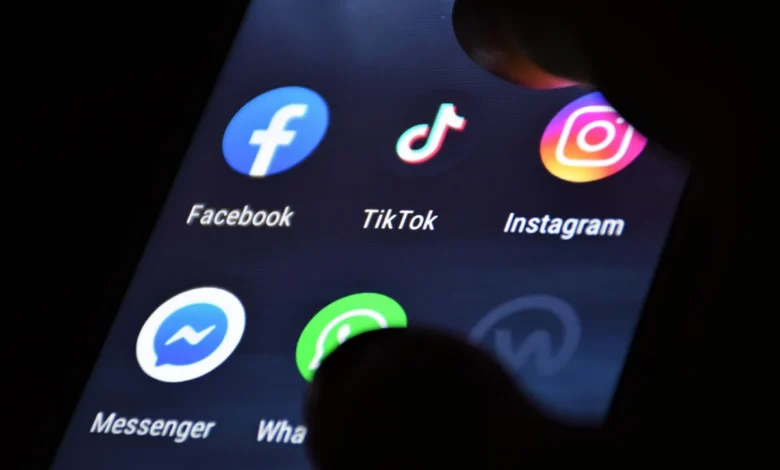
The digital landscape, increasingly the primary conduit for health information, is becoming a breeding ground for misinformation regarding autism and various mental health conditions. A comprehensive new study, published in the Journal of Social Media Research, has uncovered alarming rates of inaccurate content circulating on popular platforms like YouTube, TikTok, Facebook, Instagram, and X (formerly Twitter). Researchers meticulously analyzed over 5,000 posts, delving into discussions surrounding autism, ADHD, schizophrenia, bipolar disorder, depression, eating disorders, OCD, and phobias. The findings paint a concerning picture of how easily unverified and potentially harmful narratives can gain traction, impacting public understanding and access to appropriate care.
The Pervasive Spread of Inaccurate Narratives
The study’s most striking revelation is the disproportionately high prevalence of misinformation concerning neurodivergent conditions, specifically autism and ADHD. These topics appear to be particularly susceptible to the spread of unsubstantiated claims, potentially due to their complex nature and the ongoing societal efforts to foster greater understanding and acceptance. The researchers found that a significant percentage of content on these subjects lacked factual grounding, posing a risk to individuals seeking reliable information.
Among the platforms scrutinized, TikTok emerged as a major hub for inaccurate content. The study revealed that a staggering 52% of videos discussing ADHD and 41% of those focusing on autism contained misleading information. This highlights the platform’s rapid-fire, visually driven format and its powerful algorithmic recommendations, which can quickly amplify unverified claims to vast audiences. In stark contrast, YouTube Kids, a platform known for its more stringent content moderation policies, demonstrated a significantly lower incidence of misleading information. In fact, it reported no inaccurate content related to anxiety and depression, and only a modest 8.9% for ADHD. This comparison underscores the crucial role of moderation in safeguarding users, particularly vulnerable younger audiences.
Eleanor Chatburn, a clinical psychologist at the University of East Anglia in the United Kingdom and a key researcher on the study, emphasized the gravity of these findings. "Our work uncovered misinformation rates on social media as high as 56%," Chatburn stated. "This highlights how easily engaging videos can spread widely online, even when the information isn’t always accurate." This observation points to a critical disconnect between the engagement value of social media content and its informational integrity. The ease with which visually appealing or emotionally resonant content can go viral, regardless of its factual basis, presents a formidable challenge.
Algorithmic Amplification and Its Dangerous Consequences
The study’s authors further elaborated on the insidious nature of social media algorithms in perpetuating misinformation. These sophisticated systems are designed to keep users engaged by presenting them with content similar to what they have previously interacted with. While this can be beneficial for discovering new interests, it creates an echo chamber effect for health-related information. Individuals who show even a passing interest in a particular condition may find their feeds flooded with content about it, potentially leading to a distorted perception of prevalence or severity.
This algorithmic amplification can have profound and detrimental consequences. Researchers warned that such exposure could lead individuals to "needlessly worry that they have certain conditions" or, conversely, to "delay appropriate care." The anxiety of self-diagnosis based on incomplete or inaccurate online information can be significant, diverting individuals from seeking professional medical advice. Equally concerning is the potential for misinformation to deter individuals from seeking help altogether, especially if they encounter narratives that downplay the severity of conditions or promote ineffective, unproven treatments.
"When false ideas spread, they can feed stigma and make people less likely to reach out for support when they really need it," Chatburn explained. This sentiment is particularly resonant in the context of mental health, where stigma has historically been a significant barrier to seeking help. Misleading content can reinforce harmful stereotypes or promote the idea that certain conditions are not "real" or are easily self-managed, further isolating those who are struggling.
Moreover, the proliferation of unverified treatment advice poses a direct threat to public health. "On top of that, when people come across misleading advice about treatments, especially ones that aren’t backed by evidence, it can delay them from getting proper care and ultimately make things worse," Chatburn added. The pursuit of anecdotal remedies or unproven therapies found online can lead to wasted time, financial expenditure, and, most importantly, a worsening of the individual’s condition, potentially to a point where recovery becomes more challenging.
The Role of Credible Sources and the Path Forward
The study did identify a crucial distinction: content created by qualified healthcare professionals consistently demonstrated higher accuracy. However, the researchers lamented that such expert-generated content represents a relatively small fraction of the overall volume of health-related posts. This imbalance suggests a significant gap in the online presence of reliable health information compared to the overwhelming tide of potentially misleading narratives.
Alice Carter of the University of East Anglia, who led the study, articulated a clear call to action for the healthcare community. "Health organizations and clinicians should do more to create and disseminate content," the researchers indicated, emphasizing the need for a more proactive approach to online health communication. This includes not only producing accurate information but also actively engaging in online discourse to counter misinformation and guide users towards evidence-based resources.
Carter further stressed the importance of balancing lived experience with expert knowledge. "While lived-experience can play an important role, with personal stories helping people to feel understood and raising awareness of mental health conditions, it is vital to ensure that accurate and evidence-based information from clinicians and trusted organizations is also visible and easy to find," she stated. Personal narratives can be powerful tools for destigmatization and fostering empathy, but they should not be the sole source of information, especially when discussing complex medical conditions and treatments. The challenge lies in ensuring that these authentic voices are complemented by, and not overshadowed by, scientifically validated information.
Addressing the Moderation Deficit
The study’s findings implicitly highlight a pressing need for enhanced moderation policies across social media platforms. While platforms like YouTube Kids demonstrate the potential for effective content oversight, the broader ecosystem, particularly on platforms like TikTok and X, appears to be lagging. The researchers’ call for "better moderation" suggests a need for more robust systems to identify, flag, and potentially remove misleading health content, especially concerning sensitive topics like mental health and neurodevelopmental disorders.
The implications of this misinformation epidemic extend beyond individual well-being. A public increasingly reliant on social media for health advice could lead to a decline in trust in legitimate medical institutions and a rise in public health crises stemming from delayed or inappropriate treatment. Furthermore, the perpetuation of stereotypes and stigma through online channels can hinder societal progress in understanding and supporting individuals with mental health challenges and neurodivergent conditions.
Broader Context and Future Implications
The current study is not an isolated incident; it builds upon a growing body of research examining the impact of social media on public health. Previous studies have highlighted concerns about the spread of misinformation regarding infectious diseases, vaccination, and general wellness. The focus on autism and mental health in this latest research underscores the particular vulnerability of these areas, where nuanced understanding and professional guidance are paramount.
The timeline of this issue is also worth considering. As social media platforms have evolved from purely social networking sites to comprehensive information hubs, their influence on public perception and behavior has grown exponentially. The rise of short-form video content, exemplified by TikTok, has further accelerated the dissemination of information, making it harder for users to critically evaluate the accuracy of what they consume.
Looking ahead, the findings of this study will likely fuel further debate and action among policymakers, researchers, and social media companies. The challenge lies in finding a sustainable balance between enabling free expression and ensuring the dissemination of accurate, life-saving information. This may involve a multi-pronged approach, including:
- Enhanced Platform Accountability: Social media companies could be incentivized or mandated to invest more in AI-driven content moderation tools and human fact-checking resources specifically for health-related content.
- Public Health Campaigns: Governments and health organizations could launch public awareness campaigns to educate users about the risks of relying solely on social media for health advice and to promote critical media literacy.
- Empowering Credible Voices: Initiatives to amplify the voices of healthcare professionals and trusted organizations on social media could help to counter misinformation and provide reliable alternatives.
- User Education: Developing tools and features within platforms that allow users to easily verify the source and credibility of health information could be beneficial.
The study’s authors are hopeful that their research will serve as a catalyst for change, prompting a more concerted effort to create a safer and more informative online environment for health-related discussions. The well-being of millions hinges on the ability to navigate the digital world with reliable information, and the current trajectory suggests that urgent intervention is necessary.