Los Angeles Unveils Comprehensive Guide to Accessible Attractions for All Visitors

Los Angeles, a global epicenter of entertainment, culture, and innovation, has taken a significant step towards ensuring its renowned attractions are welcoming to all. The city, along with its broader metropolitan region, has released an extensive list detailing a wide array of wheelchair-accessible experiences, from the sun-drenched shores of its famous beaches to the hallowed halls of its world-class museums. This initiative, aimed at enhancing inclusivity, covers not only the core of Los Angeles but also its neighboring areas, including Santa Monica, Pasadena, Long Beach, Malibu, and beyond. The curated selection emphasizes attractions designed with inclusive principles, promising a rich tapestry of cultural immersion, natural exploration, and entertainment for every visitor, regardless of mobility needs.
The updated guide, last revised on September 4, 2025, underscores a growing commitment by the region’s tourism and cultural institutions to dismantle accessibility barriers. This effort reflects a broader trend in urban tourism, where accessibility is increasingly recognized not just as a compliance issue but as a crucial component of a vibrant and equitable visitor experience. By highlighting these accessible locations, Los Angeles is positioning itself as a leader in inclusive travel, a move that is likely to attract a wider demographic of tourists and residents alike.
Hollywood and Iconic Los Angeles Landmarks: A Wheelchair-Accessible Journey
The heart of Los Angeles’s allure often lies in its iconic landmarks, many of which have been adapted or were designed with accessibility in mind.
Griffith Observatory (Public Observatory & Park) stands as a beacon atop the Hollywood Hills, offering breathtaking panoramic views of the sprawling cityscape, including the world-famous Hollywood Sign. The observatory itself is largely accessible, with elevators and ramps providing access to key viewing areas and exhibits. Its elevated position offers a unique perspective on the city’s layout, from the dense urban core to the distant Pacific Ocean. The surrounding Griffith Park, a vast urban wilderness, also features accessible pathways and overlooks, allowing visitors to connect with nature while enjoying the city’s grandeur. The observatory’s public programming, including stargazing events, often includes accommodations for visitors with disabilities, further enhancing its inclusive appeal.
A pilgrimage to the Hollywood Walk of Fame (Sidewalk Tribute) is a quintessential Los Angeles experience. This iconic stretch of Hollywood Boulevard, adorned with over 2,600 terrazzo and brass stars, honors entertainment legends. While the sidewalks themselves are generally flat and navigable, the sheer volume of foot traffic, especially during peak hours, can present challenges. However, efforts have been made to ensure curb cuts are present at intersections, and many of the surrounding businesses and attractions have invested in accessible entrances. Visitors can roll along the boulevard, pausing to find the stars of their favorite actors, musicians, and directors, immersing themselves in the history of the entertainment industry.
The TCL Chinese Theatre (Historic Movie Palace), a landmark of cinematic history, continues to host prestigious premieres and events. Its forecourt, famous for the handprints and footprints of movie stars preserved in cement, is accessible. While the historic interior of the theatre may have limited accessibility in certain areas, the main lobby and exterior are designed to accommodate visitors. The theatre’s enduring legacy makes it a must-visit for film buffs, and its presence on Hollywood Boulevard complements the Walk of Fame experience.
For a vibrant blend of shopping, dining, and entertainment, Universal CityWalk (Shopping & Entertainment Promenade) offers a lively outdoor atmosphere. This pedestrian-friendly area, located adjacent to Universal Studios Hollywood, is designed with wide walkways and accessible routes. Visitors can enjoy a diverse range of restaurants, shops, and entertainment venues, all within a dynamic urban setting. The promenade’s open-air design and well-maintained pathways make it an enjoyable destination for individuals using wheelchairs.
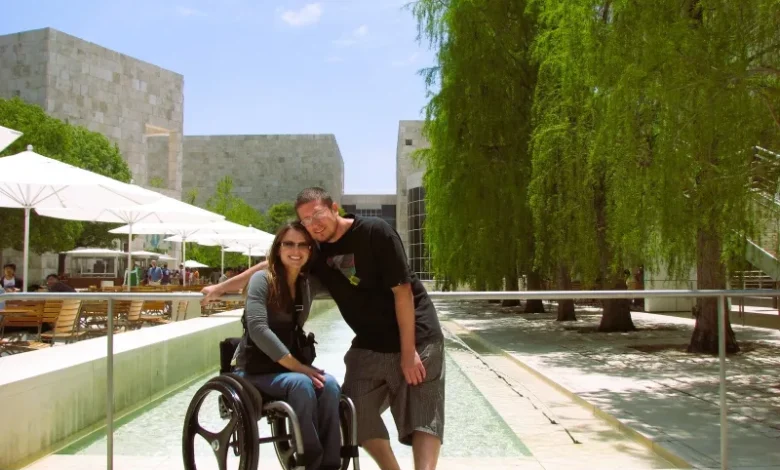
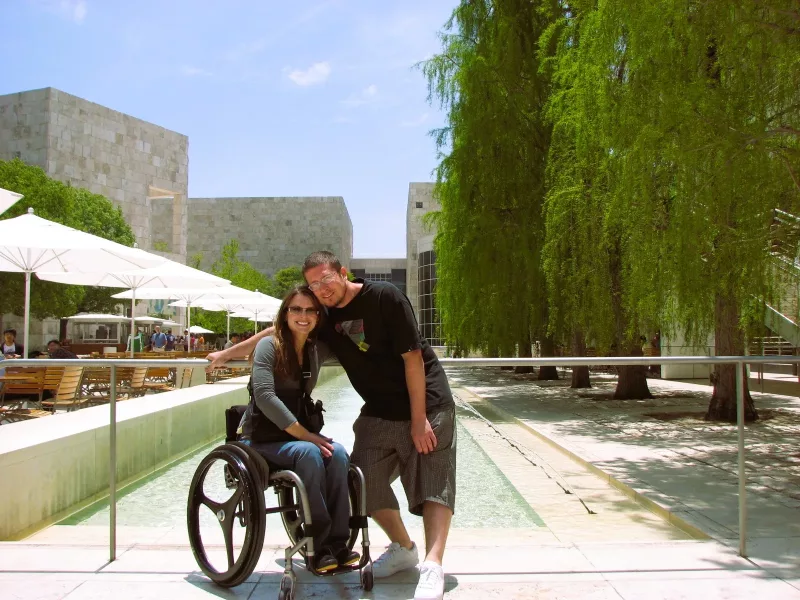
Perched on a hilltop in the Santa Monica Mountains, The Getty Center (Art Museum & Gardens) is a marvel of modern architecture and a treasure trove of art. The center boasts a sophisticated design that prioritizes accessibility, featuring a tram system that transports visitors from the parking garage to the main complex. Once at the top, elevators and wide, gently sloping pathways connect the various galleries, gardens, and viewing terraces. The museum’s extensive collection spans European paintings, sculpture, decorative arts, and photography, while its meticulously landscaped gardens offer serene spaces for reflection and enjoyment, all with stunning views of the city and the Pacific.
Beaches and Coastal Views: Embracing the Pacific’s Charm
Los Angeles County’s extensive coastline offers a wealth of accessible beach experiences, allowing visitors to enjoy the sun, sand, and surf.
The Santa Monica Pier & Beach Path (Historic Pier & Coastal Trail) is a beloved destination. The pier itself features accessible ramps and elevators to navigate its various levels, housing shops, restaurants, and the Pacific Park amusement center. More importantly, the adjacent beach path, a paved and largely flat trail, extends for miles along the coastline, providing an ideal route for wheelchair users to enjoy ocean breezes and scenic vistas. Beach wheelchairs are often available for rent, allowing for direct access to the sand.
Venice Beach Boardwalk (Oceanfront Promenade) is renowned for its eclectic energy, street performers, artists, and vibrant atmosphere. The boardwalk is a wide, paved path that runs parallel to the beach, offering unobstructed views of the Pacific. While the sand itself can be a barrier, the boardwalk provides ample space for exploration and people-watching. Visitors can soak in the unique culture of Venice, from its skate park to its Muscle Beach area, all from an accessible vantage point.
Further north, Malibu Surfrider Beach & Pier offers a more relaxed coastal experience. The pier provides accessible access for strolling and enjoying ocean views, and the beach itself is known for its iconic surf break. While direct beach access can be challenging, the pier offers a fantastic alternative for appreciating the natural beauty of this renowned stretch of coastline.
The Long Beach Shoreline Path (Scenic Coastal Path) provides a long, flat, and well-maintained route for cycling, walking, and rolling along the waterfront. This path offers picturesque views of the marina, the Queen Mary, and the city skyline. Its consistent grade and wide expanse make it an excellent choice for an extended accessible excursion by the sea.
A classic Southern California beach experience can be found along the Manhattan Beach Strand. This paved pedestrian and bike path runs along the oceanfront, offering stunning views of the Pacific and the impressive homes that line the coast. The Strand is known for its accessibility, with easy access points and a relatively flat terrain, making it a popular choice for both locals and visitors seeking a quintessential beachside journey.
Museums and Culture: Enriching the Mind and Spirit
Los Angeles boasts a diverse array of cultural institutions, many of which have made significant strides in accessibility.
The Broad Museum (Contemporary Art Museum) in Downtown Los Angeles is celebrated for its stunning architecture and its collection of contemporary art. The museum is fully accessible, with elevators connecting all floors and ample space within its galleries. A particular highlight is Yayoi Kusama’s immersive "Infinity Mirrored Room," which is also accessible. The Broad’s innovative design and free general admission policy further enhance its appeal.
The Los Angeles County Museum of Art (LACMA), the largest art museum in the western United States, houses an encyclopedic collection spanning ancient to contemporary art. LACMA has invested heavily in accessibility, offering accessible routes throughout its various buildings and exhibits. Its iconic "Urban Light" installation is a popular, accessible photo opportunity. The museum’s vast collection provides a comprehensive journey through art history, with diverse galleries to explore.
For those interested in science and innovation, the California Science Center (Interactive Science Museum) is a must-visit. Home to the Space Shuttle Endeavour, the center offers a deeply engaging experience with numerous hands-on exhibits. The entire facility is designed with accessibility in mind, ensuring that all visitors can explore the wonders of science. The Endeavour exhibit, in particular, is a remarkable display of engineering and human achievement, made accessible to all.
The Natural History Museum of LA County invites visitors to journey through time, from the age of dinosaurs to the diverse ecosystems of California. The museum’s exhibits, including towering dinosaur skeletons and detailed dioramas of local wildlife, are housed in accessible galleries. Its extensive collections offer a comprehensive look at the natural world, providing educational and awe-inspiring experiences for all ages.
Automotive enthusiasts will find their haven at the Petersen Automotive Museum. This architectural marvel showcases a dazzling collection of classic, vintage, and futuristic automobiles. The museum’s multiple levels are connected by elevators, and its spacious exhibit halls allow for easy navigation by wheelchair. From rare historical vehicles to cutting-edge concept cars, the Petersen offers a dynamic and accessible journey through automotive history and design.
Parks, Trails, and Gardens: Finding Serenity in Nature
Beyond the urban bustle, Los Angeles and its surrounding areas offer numerous natural retreats that are accessible and provide opportunities for relaxation and exploration.
Descanso Gardens (Botanical Garden in La Cañada Flintridge) is a 150-acre sanctuary featuring a diverse collection of plants and themed gardens. The gardens boast accessible paved pathways that wind through rose gardens, camellia collections, and native plant habitats. Seasonal displays and special events ensure there is always something new to discover, making it a peaceful escape for nature lovers.
In Pasadena, the Huntington Library, Art Museum, and Botanical Gardens presents a world of beauty and knowledge. The Huntington’s expansive botanical gardens are a significant draw, with many of its themed areas, such as the Japanese Garden and the Desert Garden, featuring accessible paths. The library and art galleries are also designed to accommodate visitors with mobility challenges, offering a rich cultural experience.
Echo Park Lake (Urban Lake & Walking Loop) offers a charming urban oasis. The paved loop around the lake is ideal for a leisurely roll, providing picturesque views of the water, lotus flowers, and the Downtown Los Angeles skyline. The park is a popular spot for recreation and relaxation, and its accessible paths make it a welcoming destination for everyone.
Kenneth Hahn State Recreation Area (Baldwin Hills) provides expansive grassy areas, scenic overlooks, and accessible trails in a hilly urban setting. The park’s design allows visitors to enjoy sweeping views of the city and the ocean, with designated accessible pathways leading to key viewpoints and picnic areas. It’s a great spot for outdoor activities and enjoying the Southern California landscape.
For a tranquil natural experience, the El Dorado Nature Center (Long Beach) offers serene walking trails through wooded areas and around picturesque ponds. While some of the more rustic trails might present challenges, the center has made efforts to provide accessible routes, allowing visitors to immerse themselves in the natural beauty of this urban sanctuary.
Family-Friendly Attractions: Engaging Experiences for All Ages
Los Angeles is a city that caters to families, and many of its attractions are designed with accessibility and fun in mind.
The Los Angeles Zoo (Griffith Park), situated within the expansive Griffith Park, features wide, paved pathways that navigate its hilly terrain. While some exhibits may require navigating inclines, the zoo has made significant efforts to ensure that most animal enclosures and viewing areas are accessible. Its location within the park also offers opportunities to explore other accessible areas.
The Aquarium of the Pacific (Long Beach) provides an immersive underwater adventure. This climate-controlled facility is fully accessible, with ramps and elevators connecting its various exhibits, including touch tanks, vibrant jellyfish displays, and charming sea otter habitats. It’s an ideal destination for families seeking an educational and engaging experience regardless of the weather.
A taste of classic Los Angeles can be found at the LA Farmers Market at 3rd & Fairfax. This historic open-air market is a bustling hub of food stalls, artisanal vendors, and unique shops. The market’s layout is generally flat and navigable, allowing visitors to sample a wide variety of cuisines and find interesting souvenirs.
The La Brea Tar Pits & Museum offers a unique glimpse into prehistoric Los Angeles. Visitors can explore the iconic bubbling tar pits and the adjacent museum, which houses an impressive collection of Ice Age fossils discovered at the site. The museum and viewing areas around the pits are accessible, providing an educational and fascinating experience for the whole family.
Finally, Grand Central Market (Downtown LA), a vibrant historic market, is a culinary destination offering a diverse array of food vendors. The market’s layout is accessible, allowing patrons to easily navigate the bustling aisles and sample everything from gourmet tacos to classic deli fare. Its energetic atmosphere and wide culinary selection make it a perfect spot for a family meal.
The ongoing commitment to enhancing and publicizing these accessible attractions signifies Los Angeles’s dedication to becoming a truly inclusive destination for all travelers. This comprehensive guide serves as a testament to the city’s evolving approach to tourism, ensuring that the magic and excitement of Southern California are within reach for everyone.
Related posts: