Bridging the Gap Between Geriatrics and Surgery: The Evolution and Impact of the Geriatric Surgery Verification Program

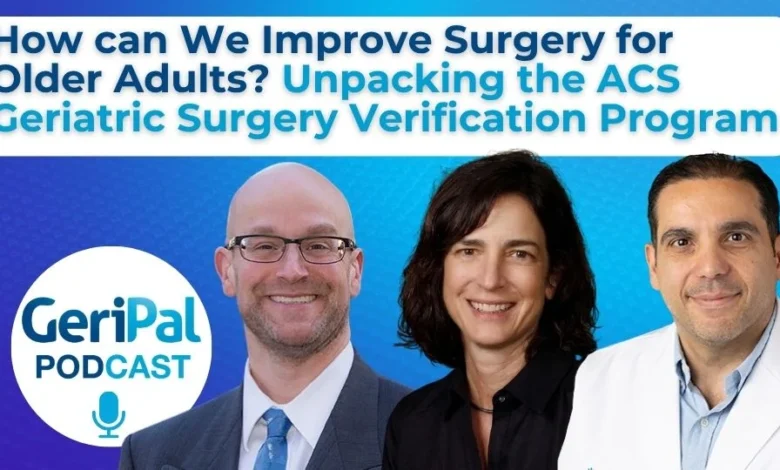
As the global population ages at an unprecedented rate, modern healthcare systems face the complex challenge of aligning specialized surgical interventions with the unique physiological and psychological needs of older adults. Historically, surgical training and hospital protocols have prioritized problem-focused, organ-specific interventions over holistic patient evaluations. However, a transformative shift is underway, spearheaded by multidisciplinary teams and structured frameworks such as the Geriatric Surgery Verification (GSV) Program. Designed to optimize outcomes for older patients, the GSV program addresses vulnerabilities ranging from frailty and cognitive impairment to polypharmacy and inadequate post-operative social support, marking a new era in patient-centered surgical care.
The Paradigm Shift: From Organ-Focused Care to Patient-Centric Principles
For decades, traditional surgical training focused heavily on identifying localized pathology, executing the technical procedure, and measuring success primarily through short-term metrics such as 30-day in-hospital mortality and surgical site infections. While these metrics remain critical for institutional tracking, they frequently fail to capture the broader, long-term impacts of surgery on an older adult’s functional independence, cognitive status, and quality of life.
Geriatricians and palliative care specialists have long advocated for a transition from a disease-oriented approach to a patient-centric model. In the context of older adults, the fundamental question is often not merely whether a surgical intervention can technically be performed, but whether the expected recovery aligns with the patient’s personal values and overall life trajectory. For instance, an aggressive procedure that necessitates weeks of non-weight-bearing recovery for an octogenarian can trigger rapid muscle loss, functional decline, and loss of independence, underscoring the vital need for comprehensive pre-operative risk assessments.
Genesis and Evolution of the Geriatric Surgery Verification Program
Recognizing the distinct vulnerabilities of older surgical candidates, the American College of Surgeons (ACS), in collaboration with geriatric and perioperative stakeholders, developed the Geriatric Surgery Verification (GSV) Program. Formulated to establish standardized, high-quality care pathways, the program initially launched with a comprehensive and demanding set of nearly 200 standards. While these early standards set an aspirational benchmark for comprehensive geriatric care, many healthcare systems—particularly those with constrained resources—found them prohibitively complex to implement.
To broaden accessibility and ensure feasibility across diverse healthcare settings, including safety-net hospitals and integrated health networks, the program underwent multiple structural iterations. Program developers worked closely with clinical leaders to streamline the requirements down to a manageable core, eventually introducing age-friendly program alignments. These updated standards are designed to integrate seamlessly with non-surgical age-friendly healthcare initiatives and align with emerging Centers for Medicare & Medicaid Services (CMS) reimbursement models. This strategic evolution successfully reduced the activation energy required for hospitals to adopt the program while maintaining a rigorous focus on high-quality, goal-aligned care.
Boots on the Ground: Implementing GSV in Clinical Practice
Implementing a GSV program requires robust institutional buy-in, extending from top-level administrative leadership to frontline nursing staff and surgical trainees. Integrated health systems, such as Kaiser Permanente East Bay, have served as early adopters, leveraging perioperative medicine departments and dedicated multidisciplinary teams to transform clinical workflows.
A cornerstone of successful GSV implementation is the multidisciplinary senior surgical board meeting. In these weekly sessions, healthcare teams review high-risk elective surgical cases prior to operation. These boards typically comprise general surgeons, geriatricians, palliative care specialists, anesthesiologists, perioperative nurses, occupational therapists, dietitians, and chaplains. By evaluating standardized metrics—such as the American College of Surgeons National Surgical Quality Improvement Program (NSQIP) risk calculators, Mini-Cog cognitive assessments, and frailty indices—the multidisciplinary team formulates tailored recommendations. These recommendations often prompt deeper discussions regarding the true risk-versus-benefit profile of a proposed procedure, occasionally leading to alternative treatment pathways or modified goals of care.
Addressing Post-Operative Vulnerabilities and Nursing Bundles
The GSV framework extends far beyond the pre-operative consultation and the operating room, emphasizing structured post-operative management designed to mitigate common geriatric complications. Post-operative delirium, functional decline, and nutritional deficits present significant hurdles for older adults recovering from invasive procedures.
To combat these risks, accredited facilities implement standardized nursing care bundles focusing on core pillars: cognition, nutrition and hydration, mobility, and pain management. These protocols prioritize multimodal pain control strategies—such as regional nerve blocks and minimized narcotic usage—to reduce the incidence of post-operative delirium. Furthermore, early mobilization protocols and proactive discharge planning ensure that older adults receive appropriate physical therapy and community support, safeguarding their functional independence upon returning home or transitioning to a skilled nursing facility.
The Educational Imperative: Training the Next Generation of Surgeons
A critical component of the GSV movement is its influence on surgical education and resident training. Historically, surgical residents were conditioned to focus strictly on technical execution and immediate post-operative recovery parameters. Today, programs that incorporate geriatric verification standards are fostering a cultural shift among resident physicians.
Trainees rotating through accredited facilities are increasingly equipped to engage in nuanced, empathetic discussions regarding patient goals, values, and potential worst-case scenarios. Utilizing communication frameworks such as the "best-case, worst-case" paradigm developed by researchers like Dr. Gretchen Schwarze, residents learn to translate complex statistical risks into tangible, patient-centric narratives. This early exposure helps mitigate the intense emotional toll that unexpected adverse outcomes or functional declines can take on young surgeons, while instilling a lifelong commitment to collaborative, values-based decision-making.
Challenges to Adoption and Resource Allocation
Despite clear clinical benefits, the widespread adoption of geriatric surgical verification programs faces notable challenges. Chief among these are institutional resource limitations and financial constraints, particularly within fee-for-service healthcare models. Implementing comprehensive pre-operative optimization clinics, multidisciplinary board reviews, and specialized nursing education requires upfront financial and operational investment.
Moreover, overlapping nationwide shortages of board-certified geriatricians and palliative care specialists present systemic hurdles. While the GSV standards intentionally allow for flexibility by recognizing other healthcare professionals with geriatric expertise—such as nurse practitioners and clinical nurse specialists—advocates emphasize the ongoing need to expand specialty training to sustain long-term growth. Additionally, overcoming cultural inertia within traditional surgical departments remains an ongoing effort, requiring continuous demonstration of value to hospital executives and attending surgeons alike.
Economic Implications and Broader Institutional Impact
Economic evaluations and early institutional data indicate that structured geriatric surgical programs yield tangible benefits for healthcare systems. By reducing prolonged lengths of stay, minimizing costly post-operative complications such as delirium, and preventing unnecessary or non-beneficial surgeries in high-risk patients, hospitals can optimize resource utilization.
For integrated health systems, where financial incentives align closely with patient longevity and functional health, the business case for GSV is compelling. As federal reimbursement structures increasingly reward value-based care and patient-reported outcomes over sheer procedural volume, the financial viability of age-friendly surgical programs is expected to strengthen further.
Conclusion: A Call for Holistic Surgical Excellence
The intersection of geriatrics and surgery represents one of the most vital transformations in modern healthcare delivery. By prioritizing patient-centered values, rigorous pre-operative optimization, and structured post-operative care bundles, the Geriatric Surgery Verification Program bridges the historical divide between technical surgical prowess and comprehensive geriatric medicine.
As healthcare systems grapple with an aging demographic, the widespread implementation of these standards ensures that older adults receive the right operation, for the right reasons, delivered with a profound understanding of what matters most to the patient. Through continued institutional support, multidisciplinary collaboration, and innovative resident education, the surgical community is successfully redefining excellence in the care of older adults.