Navigating Respiratory Virus Season: Expert Insights on Vaccines for Older Adults

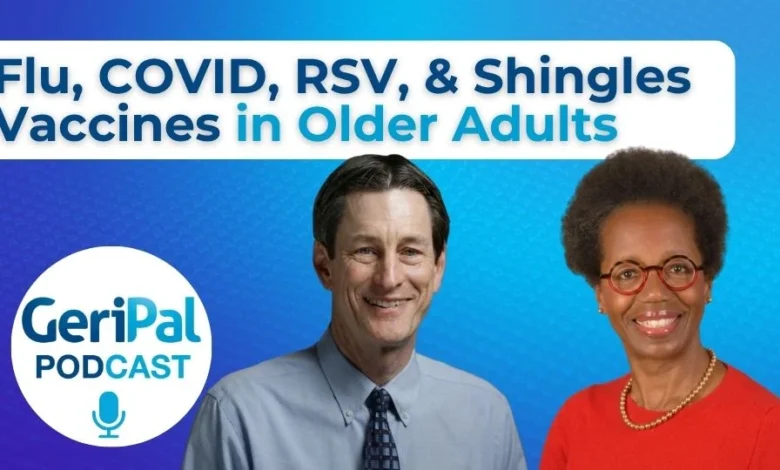
As respiratory virus season approaches, public health officials and geriatric specialists are intensifying efforts to protect vulnerable populations, particularly older adults. Recent discussions on the GeriPal Podcast highlighted the critical role of vaccinations in mitigating severe outcomes, hospitalizations, and long-term health complications among older Americans. Featuring prominent geriatricians Dr. Ken Schmader and Dr. Sharon Brangman, the conversation explored the evolving landscape of immunizations for influenza, COVID-19, respiratory syncytial virus (RSV), and shingles.
The High Stakes of Respiratory Illness in Aging Populations
Older adults face disproportionately severe risks from seasonal respiratory infections. For instance, over 90 percent of all seasonal influenza deaths occur in individuals aged 65 and older. Beyond immediate respiratory distress, infections such as the flu, COVID-19, and RSV trigger systemic inflammation that can precipitate major adverse cardiovascular events, including heart attacks and strokes. Studies indicate that acute infection can multiply cardiovascular risks five- to sixfold in susceptible populations during the initial weeks following exposure.
Furthermore, hospitalizations among older adults frequently lead to hospital-associated disability, a condition from which a significant portion of patients never fully recover. Consequently, professional medical organizations, including the American Heart Association, increasingly view vaccination not merely as an infection-control measure, but as a vital cardiovascular and neurological intervention.
Influenza Vaccination Guidelines and New Innovations
For the upcoming influenza season, health experts recommend that adults aged 65 and older receive an annual vaccine optimized for their age group. The preferred options remain high-dose or adjuvanted influenza vaccines, such as Fluzone High-Dose or Fluad, which consistently demonstrate superior protection against hospitalization and mortality compared to standard-dose formulations.
The U.S. Food and Drug Administration (FDA) recently approved a novel mRNA influenza vaccine manufactured by Moderna for individuals aged 50 and older. While clinical trials indicated a 27 percent reduction in influenza illness compared to standard-dose vaccines, the FDA granted accelerated approval for adults over 65, conditioning continued authorization on ongoing randomized controlled trials comparing the mRNA formula directly against high-dose and adjuvanted standards of care. Experts emphasize that until comparative data confirms superior efficacy against severe endpoints like hospitalization, high-dose and adjuvanted vaccines remain the gold standard for older demographics.
COVID-19 Booster Recommendations and Twice-Yearly Guidance
COVID-19 continues to pose substantial risks to older demographics, with hospitalization rates remaining highest among individuals aged 65 and older. Federal health guidelines currently recommend that older adults receive two doses of the updated COVID-19 vaccine annually, spaced approximately six months apart, to combat waning immunity.
Real-world data from previous vaccine campaigns demonstrates profound clinical benefits: the updated formulations reduced COVID-19-related hospitalizations by over 50 percent and emergency department visits by nearly 48 percent among older adults. Despite these proven benefits, public health officials note persistent "vaccine fatigue," with uptake rates lagging behind optimal targets. Healthcare providers continue to address patient hesitancy through continuous education, emphasizing that temporary local and systemic side effects are minor compared to the severe morbidity of acute infection.
RSV Vaccination: One and Done for Older Adults
Respiratory syncytial virus (RSV) represents another major seasonal threat, particularly for individuals aged 75 and older, who experience the highest rates of severe lower respiratory tract disease. Current guidelines establish a universal recommendation for the single-dose RSV vaccine for everyone 75 and older, while individuals aged 50 to 74 with underlying high-risk conditions—such as chronic cardiovascular, pulmonary, or renal disease, diabetes, and frailty—are also advised to receive the immunization.
Clinical data and post-licensure observational studies indicate that the RSV vaccine provides robust protection, reducing hospitalizations by roughly 75 to 77 percent. Unlike influenza and COVID-19, current evidence supports a "one and done" approach for RSV, as long-term studies show persistent efficacy across multiple seasons without an immediate need for annual revaccination.
Shingles Prevention and Emerging Neurological Implications
The prevention of herpes zoster (shingles) remains a cornerstone of adult immunization strategies. The recombinant zoster vaccine, Shingrix, is administered in a two-dose series and provides durable protection exceeding a decade. Although the vaccine is notably reactogenic—with approximately 16 percent of recipients experiencing grade 3 systemic reactions that temporarily disrupt daily activities—experts stress that the transient discomfort is vastly preferable to the debilitating and prolonged pain of postherpetic neuralgia.
In recent months, observational studies have sparked widespread interest by suggesting a potential correlation between the shingles vaccine and a 20 to 25 percent reduction in the risk of developing dementia. While the exact biological mechanisms—such as the mitigation of chronic neuroinflammation or the suppression of latent neurotropic viruses—are plausible, medical researchers urge caution regarding these findings due to the limitations of administrative healthcare databases. Ongoing randomized controlled trials in Europe are actively investigating this relationship to provide definitive causal evidence.
Overcoming Structural Barriers Through the AGS Vaccine Initiative
To address lagging immunization rates, the American Geriatrics Society (AGS) Older Adults Vaccine Initiative has worked extensively with healthcare systems nationwide to identify and dismantle structural barriers to vaccination. Pilot programs implemented across various healthcare centers highlighted that integrating vaccine screening directly into the clinical "rooming" process—where medical assistants check vital signs and medication lists—significantly improves patient awareness and uptake.
By leveraging electronic health record prompts, patient portal messaging, and interprofessional staff education, health systems can foster continuous clinical conversations about preventive care. Experts emphasize that patience, empathy, and persistent, non-judgmental dialogue remain the most effective tools for overcoming vaccine hesitancy and safeguarding the health of aging populations.