Navigating Life and Stage: An In-Depth Profile of Comedian and Advocate Insane Wayne


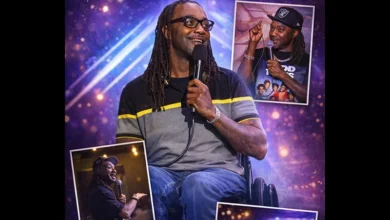
The landscape of modern stand-up comedy has increasingly become a platform for lived experience, where performers leverage their personal narratives to bridge the gap between adversity and humor. Among those defining this shift is California-based comedian and public speaker Insane Wayne, an artist whose career spans over two decades of professional performance. His work is characterized by a distinctive high-energy approach and a candid exploration of life as a wheelchair user, a reality that has shaped both his creative output and his advocacy work. As he continues to tour and speak, his career serves as a case study in the intersection of entertainment, accessibility, and the evolving role of the comedian as a social storyteller.
A Career Defined by Resilience and Humor
Insane Wayne’s trajectory in the entertainment industry is marked by a dual perspective: his life before and after the injury that led to his paralysis. This biographical pivot point has become a cornerstone of his act, allowing him to connect with diverse audiences through a lens that is both relatable and unflinchingly honest. In the comedy industry, where timing and stage presence are paramount, Wayne has utilized his background to challenge stereotypes regarding disability.
His methodology involves a transition from the conventional tropes of observational comedy to a more nuanced exploration of navigating a world often designed without universal accessibility in mind. By maintaining a high-energy performance style, he avoids the trap of pity, instead demanding the audience’s engagement through wit and shared human experience. His work is not merely about the mechanics of being a wheelchair user; it is a broader reflection on the absurdities of daily life, travel, and the social dynamics of the performance circuit.
The Evolution of Disability in Entertainment
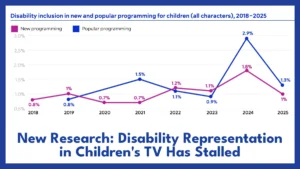
The presence of performers with disabilities in mainstream media has seen a gradual, albeit necessary, expansion over the last twenty years. According to recent reports from the Ruderman Family Foundation, individuals with disabilities represent approximately 20% of the global population, yet their representation in television, film, and live performance remains significantly disproportionate. Performers like Insane Wayne are part of a critical cohort working to close this gap by normalizing the presence of wheelchair users in non-clinical, non-tragic narratives.
Wayne’s professional history underscores a larger industry shift: the move toward authentic representation. Rather than playing characters defined solely by their physical limitations, he presents himself as a professional artist whose wheelchair is an incidental aspect of his identity—a tool of mobility rather than a thematic anchor for his material. This distinction is vital for shifting public perception from viewing disability as a barrier to recognizing it as an aspect of human diversity.
Chronology of a Comedy Career
While the specific milestones of his career have been punctuated by various stage appearances and speaking engagements, the arc of his professional life can be viewed through several distinct phases:
- Early Development (Pre-2000s): The formative years spent developing his comedic voice, observational style, and stage presence within the California circuit.
- The Transition Period: The period following his injury, during which he adapted his performance style and integrated his new physical reality into his comedy. This phase required a re-evaluation of stage logistics, travel, and audience interaction.
- The Professional Expansion: Over the last decade, Wayne transitioned from traditional club comedy to incorporating public speaking and motivational elements into his repertoire. This evolution has allowed him to reach audiences beyond the traditional comedy club, including academic institutions, corporate events, and disability advocacy forums.
- Current Era (2020–Present): With the rise of digital platforms and social media, Wayne has leveraged his online presence—specifically his handle @209insanewayne—to reach a global audience, providing commentary on travel logistics and the ongoing challenges of accessibility in public infrastructure.
The Logistics of Life on the Road
A significant portion of Wayne’s recent public discourse centers on the practicalities of travel for individuals with mobility challenges. The logistics of air travel, hotel accommodations, and navigating public transit are frequently highlighted in his stories. These narratives serve a functional purpose: they inform the public and hospitality industry of the systemic gaps in accessibility.
Supporting data from the U.S. Department of Transportation indicates that despite the Air Carrier Access Act (ACAA), complaints regarding the mishandling of wheelchairs and the lack of accessible facilities remain a significant issue for travelers with disabilities. Wayne’s "field reports" from the road provide real-world context to these statistics. When he shares anecdotes about navigating venues, he is providing a form of qualitative data that highlights the disparity between stated accessibility and the actual, lived experience of the end user. This often prompts a broader conversation about the necessity of universal design in both private and public spaces.
Analysis: Implications for Accessibility Advocacy
The work of performers like Insane Wayne holds broader implications for societal change. By documenting his experiences in travel and performance spaces, he effectively functions as a watchdog for the Americans with Disabilities Act (ADA) compliance in the entertainment sector. When a venue fails to provide adequate stage access or backstage facilities, the comedian’s critique serves as a public audit of that facility’s commitment to inclusion.
Furthermore, his influence extends to the comedy industry’s internal culture. By consistently demanding accessibility, he forces venue owners, talent bookers, and event organizers to reconsider their infrastructure. This creates a ripple effect: as more performers demand accessible environments, the baseline for "standard" venue requirements shifts, leading to long-term improvements in the physical landscape of the entertainment industry.
The Role of Digital Engagement
The use of digital platforms to disseminate his message has proven to be an effective strategy for growth. By maintaining an active presence on social media and providing direct contact channels, Wayne has created a community of followers who are not only fans of his comedy but also interested in his insights on advocacy. This direct-to-consumer model allows him to bypass traditional media gatekeepers, ensuring that his message—and his humor—reaches his audience unfiltered.
The strategy of combining comedy with practical tips for wheelchair users represents a sophisticated approach to content creation. It serves two distinct purposes: it builds a loyal audience through entertainment and simultaneously provides utility. In the current media landscape, where content is consumed rapidly, this hybrid approach to storytelling has proven highly effective for sustaining a long-term career.
Professional Standards and Future Directions
As of March 2026, the trajectory of Insane Wayne’s career suggests a continued commitment to both the craft of comedy and the mission of accessibility advocacy. The professionalization of his brand, characterized by his clear communication channels and consistent thematic focus, positions him as a significant figure in the intersection of arts and advocacy.
Industry analysts suggest that the future of comedy will increasingly rely on the performer’s ability to create a multifaceted brand that balances entertainment with social awareness. Wayne’s success in this area provides a blueprint for upcoming performers who wish to utilize their platforms for social impact without sacrificing the integrity of their comedic work.
Ultimately, the story of Insane Wayne is one of adaptation and resilience. By turning the challenges of his daily life into the subject matter of his profession, he has effectively humanized the experience of disability for thousands of audience members. His journey remains a testament to the idea that comedy, at its core, is a tool for connection—a way to turn the complexities of the human experience into a shared moment of insight and laughter. As he continues to tour and advocate, his impact on the landscape of comedy and his contributions to the ongoing dialogue about accessibility will likely remain a vital component of his legacy in the industry.