The Great Migration: Hospice and Palliative Care Community Abandons X for Bluesky Amid Shifting Social Media Landscape

The hospice and palliative care professional community is undergoing a significant digital migration, leaving behind the platform formerly known as Twitter—now rebranded as X—in favor of the decentralized microblogging network Bluesky. Dr. Christian Sinclair, editor-in-chief of the prominent healthcare blog Pallimed and a palliative care physician at the University of Kansas Health System, formally announced his departure from X, deleting his personal account entirely and signaling a broader exodus within the medical communications sector.
This transition marks a pivotal moment for digital medical networking, echoing the early days of online academic engagement while highlighting growing disillusionment with legacy social media architecture. For over a decade and a half, platforms like Twitter served as vital infrastructure for clinical collaboration, research dissemination, and peer support. However, mounting concerns regarding platform governance, the proliferation of inflammatory content, and algorithmic shifts have prompted healthcare professionals to seek alternative digital domains.
The Evolution of Digital Medical Communities
To understand the weight of this migration, it is necessary to examine the historical integration of social media within specialized medical fields. In February 2009, Pallimed published landmark guidance on utilizing emerging microblogging tools for hospice and palliative medicine (HPM). During the early 2010s, these digital spaces fostered unprecedented global collaboration, allowing clinicians, researchers, and educators to break down institutional silos. Virtual journal clubs, real-time conference coverage, and multidisciplinary case discussions became routine, significantly accelerating the exchange of evidence-based practices in serious illness care.
Over time, however, the digital ecosystem deteriorated. Major structural and policy changes at X—including alterations to content moderation, verification systems, and algorithmic prioritization—alienated large segments of the academic and scientific communities. For clinicians dealing with emotionally heavy and ethically complex topics such as palliative care, the influx of polarizing discourse and hate speech created an untenable environment. Dr. Sinclair’s decision to delete his account after years of active participation underscores a tipping point where the utility of the platform no longer outweighed its psychological and professional toll.
The Rise of Bluesky and Decentralized Networking
Enter Bluesky, a text-based microblogging platform that has rapidly captured the attention of the hospice and palliative care (HAPC) community. Originally initiated as an open-source research project and subsequently launched as an independent public benefit corporation, Bluesky offers an interface and user experience reminiscent of early-stage microblogging, characterized by robust community-building features and a relative absence of commercial saturation.
Adoption within the medical sector has accelerated noticeably. Following initial invitations from academic peers such as Dr. Holly Yang, early adopters laid the groundwork for an expanding network. A recent surge in platform traffic over a single weekend brought a substantial influx of quantity and quality to the HAPC space. The demographic migration extends beyond individual clinicians; it encompasses medical societies, academic journals, news organizations, and public health commentators.
Distinct structural features have fueled this growth. Bluesky currently operates ad-free and features granular user-controlled moderation tools designed to mitigate harassment and exposure to toxic content. Furthermore, the absence of aggressive, brand-driven algorithmic curation—a frequent complaint leveled against competing platforms like Meta’s Threads—has preserved a collegial atmosphere focused on substantive professional exchange.

Resources and Onboarding for Healthcare Professionals
To facilitate the transition for clinicians unfamiliar with decentralized protocols, community leaders have developed comprehensive onboarding infrastructure. Dr. Sinclair published a practical reference guide titled "How to Bluesky," designed to help medical professionals navigate the interface, establish profile security, and optimize content visibility.
Crucially, the platform’s architecture supports "starter packs"—curated lists of user profiles centered around specific professional domains. These packs allow new arrivals to instantly reconnect with established colleagues, researchers, and educators. Dr. Sinclair launched an HAPC starter pack encompassing approximately 120 professionals dedicated to palliative care, while other academic leaders, such as Palliative Medicine journal editor Catherine Walshe, have released complementary directories. These community-led initiatives have drastically reduced the friction typically associated with migrating to a new digital ecosystem.
Revival of Virtual Academic Traditions and Upcoming Events
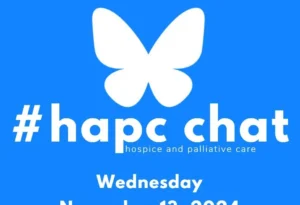
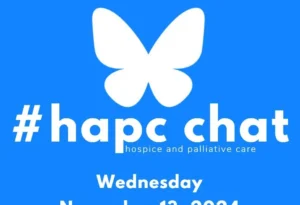
The revitalization of digital spaces is also breathing new life into traditional online academic exercises. Plans are underway to resume the weekly #hapc chat (historically recognized as #hpm chat or Tweetchat), scheduled for Wednesday evenings. These synchronized, asynchronous discussions have historically served as vital forums for debating clinical guidelines, addressing burnout, and mentoring early-career investigators.
Moreover, this digital relocation arrives at a critical juncture for upcoming academic congresses. Organizers are leveraging the platform to disseminate updates regarding the American Academy of Hospice and Palliative Medicine (AAHPM) Annual Assembly, #HAPC25, scheduled to take place next year in Denver, Colorado. By centralizing event communications on Bluesky, organizers aim to recreate the vibrant, real-time academic discourse that once defined major medical conferences on legacy networks.
Broader Implications for Medical Communications and Institutional Outreach
The migration of the hospice and palliative care community from X to Bluesky carries broader implications for scientific communication, institutional public relations, and professional networking. As academic societies and medical journals increasingly establish official presences on decentralized networks, the scientific community is actively testing the viability of alternative platforms to withstand future commercial and political shifts in Big Tech.
For specialized fields like palliative medicine, where public perception and clinical advocacy are paramount, maintaining a resilient, respectful, and functional digital town square is essential. While questions remain regarding the long-term scalability and financial sustainability of ad-free decentralized networks, the immediate enthusiasm demonstrated by healthcare leaders suggests a strong collective desire for a healthier online culture. Whether this movement catalyzes a permanent restructuring of medical social media remains to be seen, but for now, the HAPC community has found a new digital home.